How Much To Dig A New Well

So, you’ve decided to dig a well. Maybe you’re tired of that sky-high water bill, or perhaps you just want to feel like a pioneer every time you turn on the tap. Whatever the...
So, you’ve decided to dig a well. Maybe you’re tired of that sky-high water bill, or perhaps you just want to feel like a pioneer every time you turn on the tap. Whatever the reason, you’re probably wondering: How much is this going to cost me? Well, grab a cup of coffee (or a glass of well water, if you’re fancy), and let’s break it down together.
The Short Answer (Because We All Love a Spoiler)
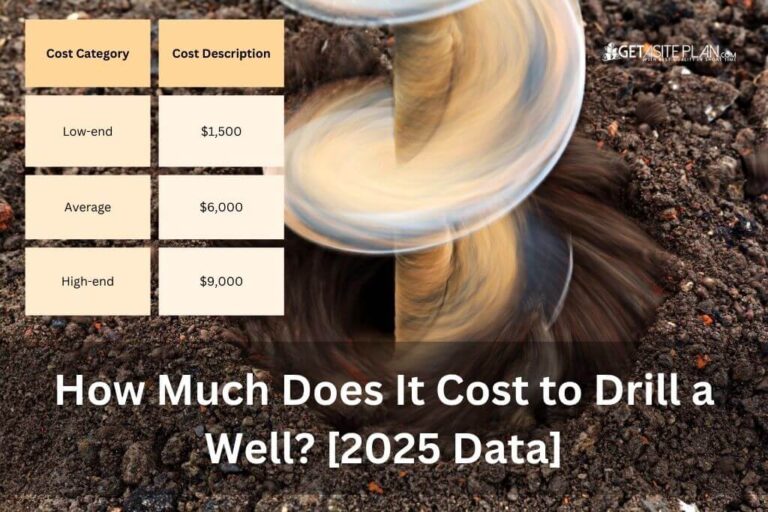
Digging a new well typically costs between $3,500 and $15,000. Yes, that’s a huge range—like the difference between a pizza night and a vacation. But don’t panic. The final price tag depends on a bunch of factors, and I’m here to walk you through them without making your head spin.
The Big Three: Depth, Diameter, and Dirt
First up: depth. How deep you have to drill is the biggest money-maker for well drillers. If you hit water at 50 feet, you’re laughing all the way to the bank. But if you’re in a dry zone and need to go 400 feet? Ouch—your wallet will feel that.
Must Read
Next, diameter. Most wells are 6 inches wide, which is basically a glorified straw. But if you want a 10-inch pipe for higher water flow, you’ll pay more. Think of it like buying a soda: a small cup is cheap, but the jumbo size costs extra.
And then there’s dirt—or rather, what’s in it. Sand is easy to drill through. Rock? That’s the villain of this story. Drilling through solid bedrock can double or triple your cost because it takes longer and wears out equipment. Mother Nature doesn’t give discounts.
Permits, Pumps, and Pipes (Oh My!)
You can’t just grab a shovel and start digging in your backyard. Most places require a permit, which can cost anywhere from $50 to $500. And trust me, the government takes well permits very seriously—no one wants you drilling into a secret underground river without permission.
Then comes the pump. You can’t drink water if you can’t get it out of the ground! A basic submersible pump runs about $200 to $1,200, plus installation. Go for a solar-powered pump? Cool, but also $2,000 cooler—for your bank account, that is.
Don’t forget pipes and wiring. These connect your well to your house, and they’re like the straw that brings the soda to your mouth. A typical setup adds $500 to $1,500. If your house is far from the well, that number climbs faster than a squirrel up a tree.
The Hidden Costs (Beware of These)
Water testing is non-negotiable. You need to know if your water is safe to drink—after all, you don’t want your tea to taste like iron or, worse, surprise fish. Testing costs around $100 to $400. It’s a small price for peace of mind.
 How Much Does It Cost To Dig A Well? How Deep Should a Well Be for
Abandoning a dry hole is the nightmare scenario. If the driller digs and finds no water, you still pay for the failed attempt. Yep, you read that right. Some contracts include this, so ask upfront. It’s like buying a lottery ticket: you might win, but you still paid for the ticket either way.
And then there’s casing—a steel or PVC pipe that lines your well. This keeps dirt and bacteria out of your water. Casing costs about $5 to $30 per foot. For a 200-foot well, that’s an extra $1,000 to $6,000. No casing, no clean water. It’s a non-negotiable.
Regional Price Swings: Location, Location, Location
Where you live matters hugely. In Texas, drilling a well might cost $15 per foot because the ground is soft and friendly. In Maine, where the ground is basically frozen rock, you might pay $50 per foot. That’s like paying New York City prices for a tiny apartment—except it’s a hole in the ground.
Also, rural areas are cheaper than suburbs because there’s less traffic and fewer regulations. But if you’re in a neighborhood, good luck—you might need a crew that works between 9 a.m. and 5 p.m., plus a noise permit. That’s a whole new level of headache.
How to Save Money (Without Sacrificing Your Soul)
Get multiple quotes. At least three. Drillers are like mechanics: some charge a fortune for nothing, others will do a great job for a fair price. Compare them like you’re shopping for a used car—but with more dirt.
Drill during the off-season. Winter is usually slow for well drillers, so they might cut a deal. Just bring them hot coffee and maybe a scarf. Also, share a well with your neighbor if you’re feeling generous—or if you want to split the bill.
![How Much Does It Cost to Drill a Well? [2025 Data] - Get A Site Plan](https://getasiteplan.com/wp-content/uploads/2024/12/average-cost-of-drilling-or-digging-a-well-600x432.jpg) How Much Does It Cost to Drill a Well? [2025 Data] - Get A Site Plan
How Much Does It Cost to Drill a Well? [2025 Data] - Get A Site Plan
And here’s a pro tip: don’t sign a contract that doesn’t mention “capped cost.” You want a price cap if they hit unexpected rock. Otherwise, you might end up with a 500-foot hole and a $50,000 bill. No thanks.
The Timeline: How Long Will This Take?
A typical well can be drilled in one to two days. That’s it! But then you have to wait for the pump installation, plumbing, and water testing—that adds another week or two. So, expect about three weeks total from start to sparkling water.
If the crew hits trouble (rock, mud, or a buried treasure chest), it could stretch to a month. But hey, at least you’ll have a good story to tell at parties: “You think your renovation took long? I waited three weeks for a hole in the ground!”
Final Numbers (Let’s Add It Up)
Here’s a rough recipe: $5,000 for a shallow well (75 feet), $10,000 for a medium well (200 feet), and $15,000+ for a deep rock monster (400 feet). Add pump, piping, permits, and testing, and you’re looking at a total of $6,000 to $20,000. That’s a lot of money, but it’s also your own private water supply.
Think of it this way: you’re buying independence. No water bills, no droughts, no waiting for the city to fix a broken pipe. You’re basically becoming a mini-water-utility CEO. And that’s kind of awesome.
An Uplifting Conclusion (I Promise You’ll Smile)
So, how much to dig a new well? It can be a bit of a wild ride, with costs that bounce around like a kid on a trampoline. But here’s the thing: once that well is done, you’ll have the best-tasting, freshest water on the block. You’ll be the hero of every summer barbecue (hello, unlimited ice cubes!).
And every time you turn on the faucet, you’ll remember that you chose this. You didn’t just pay a bill—you pioneered your own little oasis. So go ahead, call a driller, get those quotes, and dig into your new adventure. Your future self—glowing with hydration and self-sufficiency—will thank you. Cheers to that!
