Reverse Osmosis What Is It

So, picture this: It’s a sweltering summer afternoon, and I’m at my cousin’s house. He hands me a glass of water that looks suspiciously clear, but tastes like it was filtered...

So, picture this: It’s a sweltering summer afternoon, and I’m at my cousin’s house. He hands me a glass of water that looks suspiciously clear, but tastes like it was filtered through a gym sock. I politely sip, then blurt out, “Dude, is this from the tap or a science experiment gone wrong?” He grins, points to a sleek machine under the sink, and says, “That’s Reverse Osmosis—it makes water taste like a mountain stream.” I was hooked. But honestly? I thought osmosis was just a fancy word for a biology test I slept through in high school.
Fast forward to me, elbows-deep in plumbing diagrams, realizing that Reverse Osmosis (or RO, for the cool kids) is basically the superhero of water purification. Imagine a bouncer at a club so strict that only the tiniest, most innocent water molecules get past him, while salts, bacteria, and weird minerals are left waiting in the rain. That’s RO in a nutshell. And it’s way cooler than that gym-sock water ever was.
So, What Actually Happens?
Here’s the nerdy-but-friendly version: Normal osmosis is when water moves from a weak solution (like fresh water) to a strong solution (like salty water) through a membrane. It’s lazy and natural. But Reverse Osmosis flips that script. It uses pressure—a LOT of it—to force water through a semipermeable membrane that basically says, “You, you, and you can pass. Not you, leaving.”
Must Read
Think of it like trying to squeeze a grape through a keyhole. Only the grape juice (pure H₂O) gets through; the seeds and skins (dissolved solids, contaminants) stay behind. This membrane is so fine that it can block particles as tiny as 0.0001 microns. That’s mind-bogglingly small—like, a human hair is about 70 microns wide. So yeah, microorganisms don’t stand a chance.
Wait, Is It the Same as Filtration?
Nah, and here’s where I get a little sarcastic. Regular filters, like the ones in your Brita pitcher, are like a colander—they catch big chunks (like sand or rust). But RO is a whole different beast. It doesn’t just strain stuff; it uses dissolved solids removal via pressure. That means it yanks out fluoride, lead, arsenic, and even certain viruses. (Side note: Don’t try this with beer—it’ll strip the flavor. Trust me, I’ve seen bad experiments.)
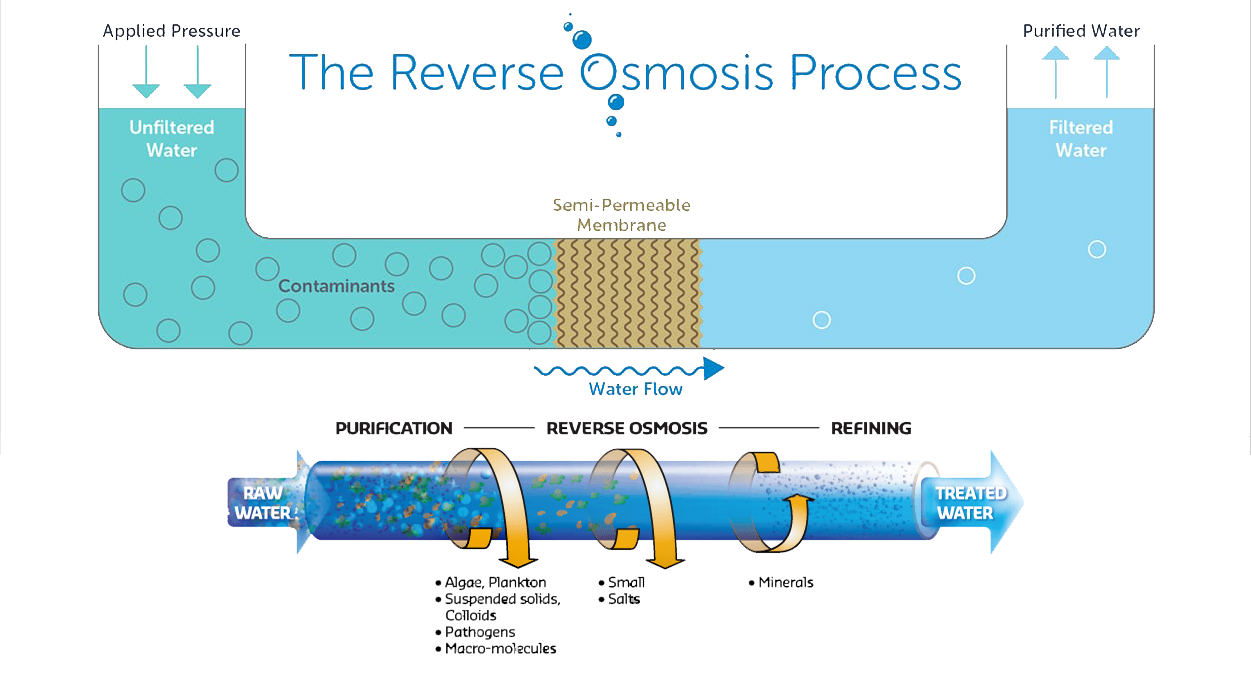 What Is Reverse Osmosis And How Does It Work
And here’s the kicker: Because RO works at a molecular level, it also removes the good minerals like calcium and magnesium. Kinda overkill, right? That’s why many systems add a “remineralization” stage afterward. Because nobody wants too pure water—it tastes flat and sad. You want water that’s clean and sassy.
The Real-Life Hero We Didn’t Ask For
You’ve probably sipped RO water without even knowing it. That bottled water from the grocery store? Often RO. The water used to rinse your lettuce at the salad bar? Yep. Even space stations use it, because astronauts aren’t packing gym-sock water for zero-gravity. It’s that reliable. But here’s the irony: RO systems waste a surprising amount of water—like 3 to 4 gallons of brine (saltwater) for every gallon of purified water you get. Ouch. That’s like buying a fancy sports car that only gets 10 miles per gallon. Efficiency is improving, but still—you’re not squeezing every drop for free.
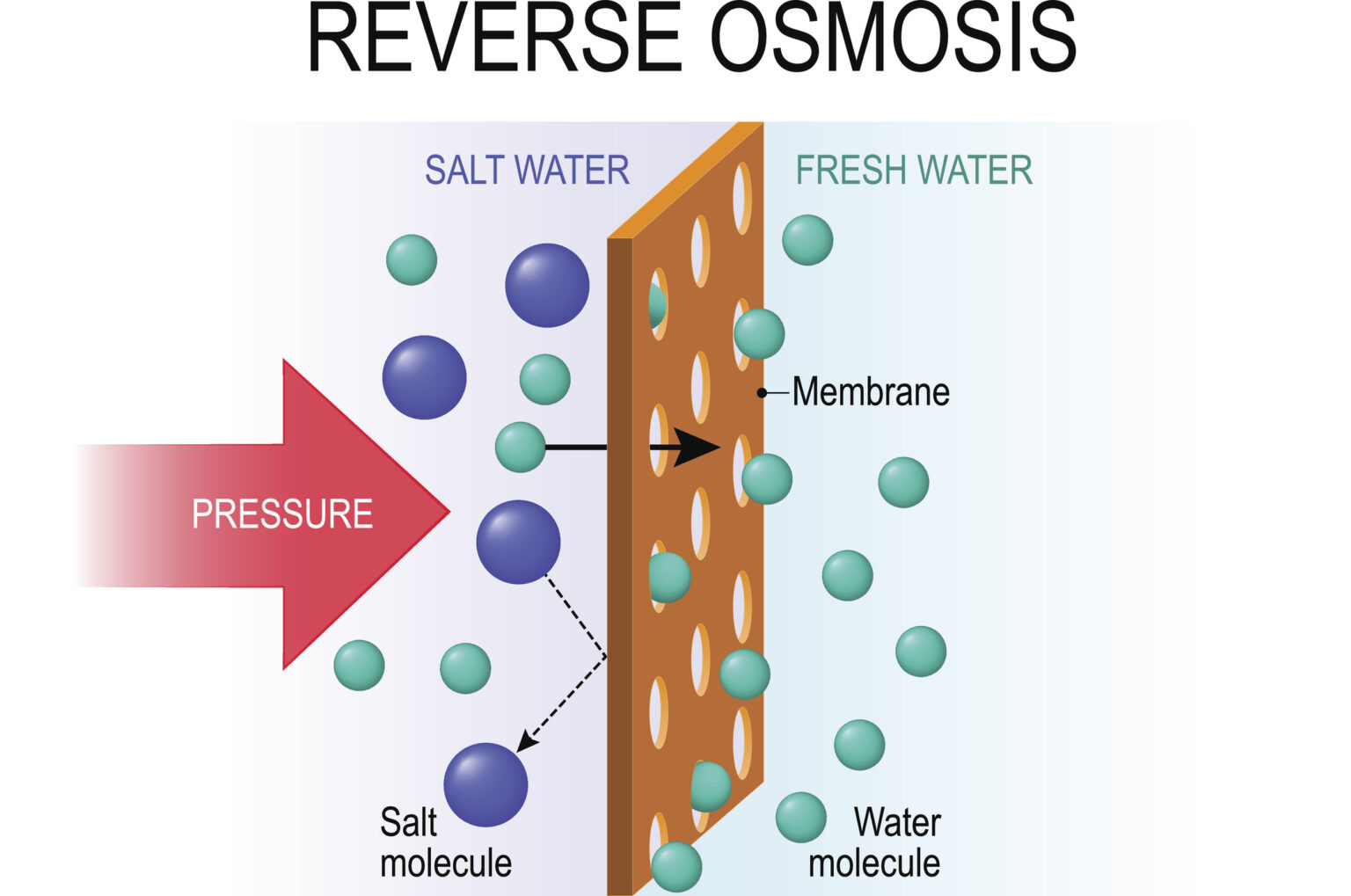 What is Reverse Osmosis and How Is It Used For Industrial Applications
And yet, I’m still a fan. Why? Because my tap water once smelled like a swimming pool’s apology, and after a cheap RO system, it tastes like something I’d actually pay for at a café. Plus, it’s a conversation starter. “Oh, you have a filter? Cute. I have a membrane that’s smarter than most people I know.” (Okay, I don’t actually say that, but I think it.)
Should You Get One?
Only if you’re ready to play water detective. First, check your tap water’s TDS (total dissolved solids). If it’s above 200 ppm, RO can be a game-changer. If it’s already low, you might just need a simple carbon filter. Also, RO is slow—like, a few gallons per hour slow. So don’t expect a firehose when you’re hosting a party. And please, for the love of plumbing, maintain it. The membrane and filters need replacing every 6–12 months, or you’ll be drinking gym-sock flavor again.
Honestly, Reverse Osmosis isn’t magic. It’s just clever application of physics and some good old-fashioned pressure. But it feels like alchemy when you see cloudy, questionable H₂O transform into something crystal-clear. So next time you’re at a friend’s house and they brag about their RO system, don’t roll your eyes. Ask them to show you the waste water pipe—ironic, right?—and then toast to science. Just don’t serve it with whiskey. That’s a waste of good Scotch.
