What Is A Boil Water Order

Last Tuesday, I did something I never thought I’d do with my fancy, single-origin, small-batch coffee beans: I boiled them. Not brewed them—boiled them. Why? Because my phone...

Last Tuesday, I did something I never thought I’d do with my fancy, single-origin, small-batch coffee beans: I boiled them. Not brewed them—boiled them. Why? Because my phone buzzed with a text from the city that said, “Boil Water Order in effect.” I stared at my mug like it had personally betrayed me. Then I sighed, filled a pot, and played chemist with my morning brew.
That’s when it hit me: most of us have no idea what a boil water order actually means. We just know it tastes like a hint of panic and tap water. So let’s fix that, shall we? (Pour yourself a glass of something safe first—we’re going in.)
What’s the deal with a boil water order?
In the simplest, most annoying terms, a boil water order is a public health warning. It tells you that your tap water might be hosting some unwelcome guests—like bacteria, viruses, or parasites. Think of it as your water’s version of a “closed for cleaning” sign, except you’re the cleaner.
Must Read
These orders usually pop up after a water main break, a power outage at the treatment plant, or tests showing that chlorine levels dipped too low. (Side comment: I always imagined chlorine levels as some guy in a lab coat shrugging and going, “Eh, close enough.”) The goal is to make sure you don’t accidentally sip something that makes you hug the toilet for 48 hours.
So, what do you actually have to boil?
Everything. Every drop of water that goes into your mouth, your food, your ice cubes, and your pet’s bowl. Yes, even for brushing your teeth—because apparently, swallowing a bit of sudsy toothpaste isn’t the risk, it’s the splash-back. (You’re welcome for that mental image.)
The rule of thumb is three minutes of a rolling boil for most locations, or one minute if you’re at high altitude—like if you live in Denver or your stove is on a mountain. Let the water cool naturally, don’t put your face over the steam and huff it, and store it in a clean container. Fancy, right?
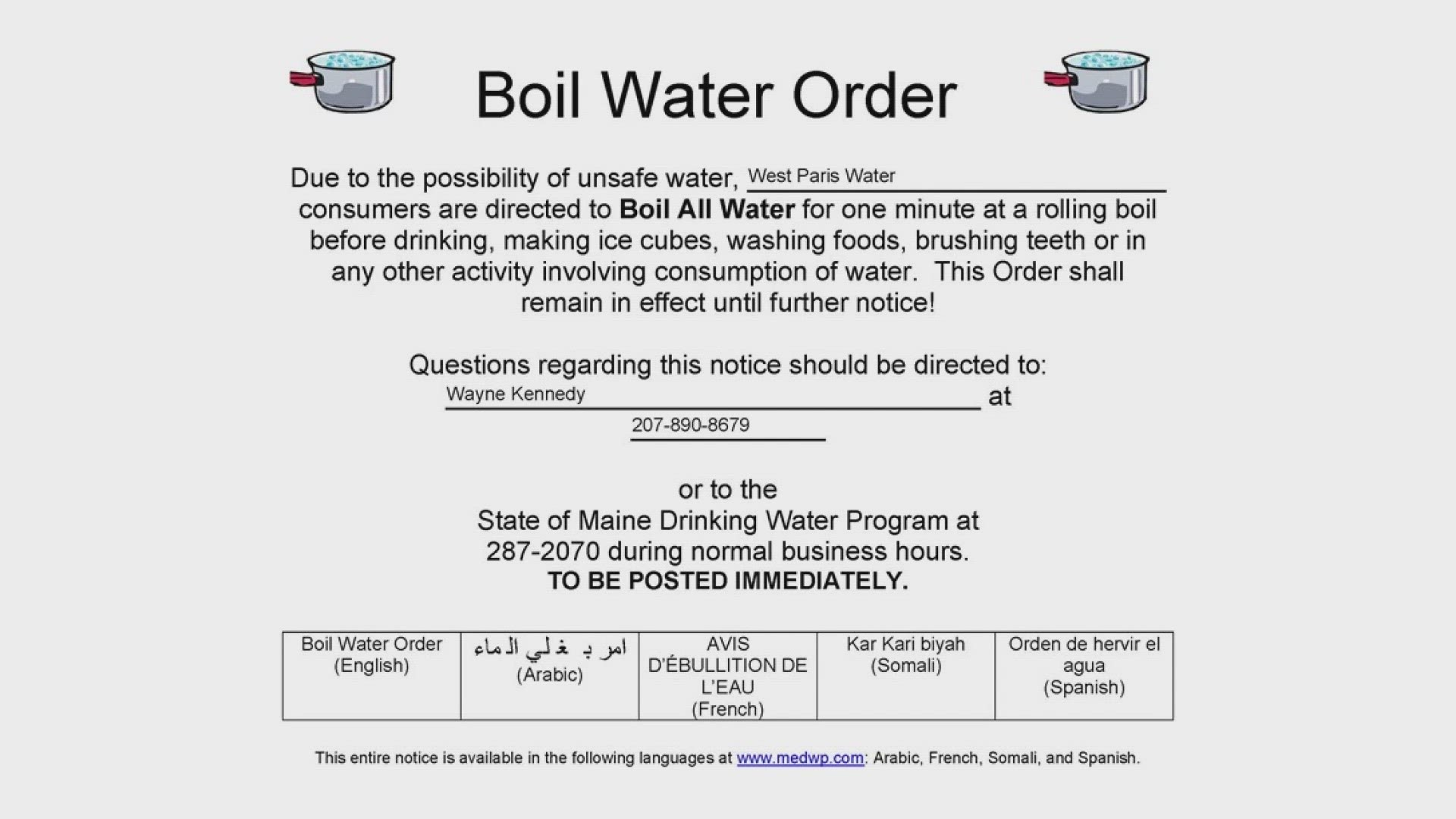 Boil water order issued for West Paris | newscentermaine.com
What you can still do without boiling
Not everything is canceled. You can still shower, but try not to swallow the water—so maybe skip the dramatic shower-singing mouthfuls. (Elton John will wait.) You can also wash dishes if you soak them in a bleach solution afterward, or just use your dishwasher’s hot cycle. Laundry? No problem. Go wild.
But here’s the kicker: don’t assume your fridge filter saves you. Most fridge and pitcher filters are designed to improve taste, not kill pathogens. (Cue your fridge making that glug-glug sound of betrayal.) You’ll need to change that filter after the order lifts, too—otherwise, you’re just asking for a bacterial reunion in your next glass of iced tea.
Who calls the shots on a boil water order?
Your local water utility or health department is the boss here. They run tests, find a problem, and decide to pull the trigger on the order. Sometimes it’s a precautionary measure—like after a water main break, even if no one found bugs yet. Better safe than sorry, right? (Unless “sorry” means chugging a bottle of Brita from the tap out of laziness. Yes, I’ve done that. No, I don’t recommend it.)
The order stays in place until two consecutive rounds of tests come back clean. That can take anywhere from 24 hours to several days. So stock up on that bottled water—or get comfortable with your whistling kettle.
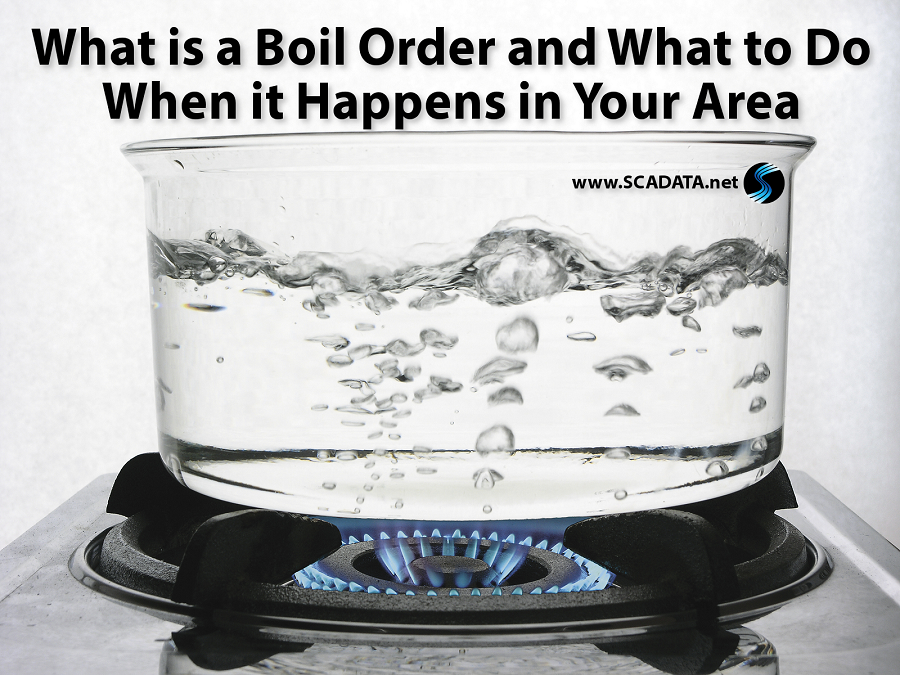 What Causes A Water Boil Order at Monte Stock blog
The ironic part of a boil water order
Here’s a fun irony: during a boil water order, you’re told to boil tap water to make it safe. But if the power is out during a storm, you can’t boil anything. So suddenly, hoarding bottled water feels less like a prepper fantasy and more like a survival skill. (I looked around my apartment during the last outage and realized I had three bottles of kombucha and a jar of pickles—not exactly a hydration plan.)
Also, don’t use hot tap water out of the faucet to speed up the boiling process. Hot water from the heater can contain more dissolved metals from your pipes. Start with cold water, even if it makes you feel like you’re on a camping trip in your own kitchen.
So, what’s the takeaway?
A boil water order isn’t a joke—it’s a serious reminder that clean drinking water is a modern miracle we take for granted. But it’s also manageable. Boil, cool, store, survive. And maybe keep a case of water in your pantry, just in case your coffee needs to stay sacred.
Next time you get that alert on your phone, don’t panic. Just fill a pot, crank the heat, and remember: you’re not a chemist or a plumber. You’re just a person who really, really wants a safe glass of water. (And maybe a refund from your coffee subscription.)
