What Is Hard Or Soft Water

You’ve probably heard the terms hard water and soft water thrown around, maybe while scrubbing a stubborn soap scum ring off your shower door or complaining about dry hair. Bu...
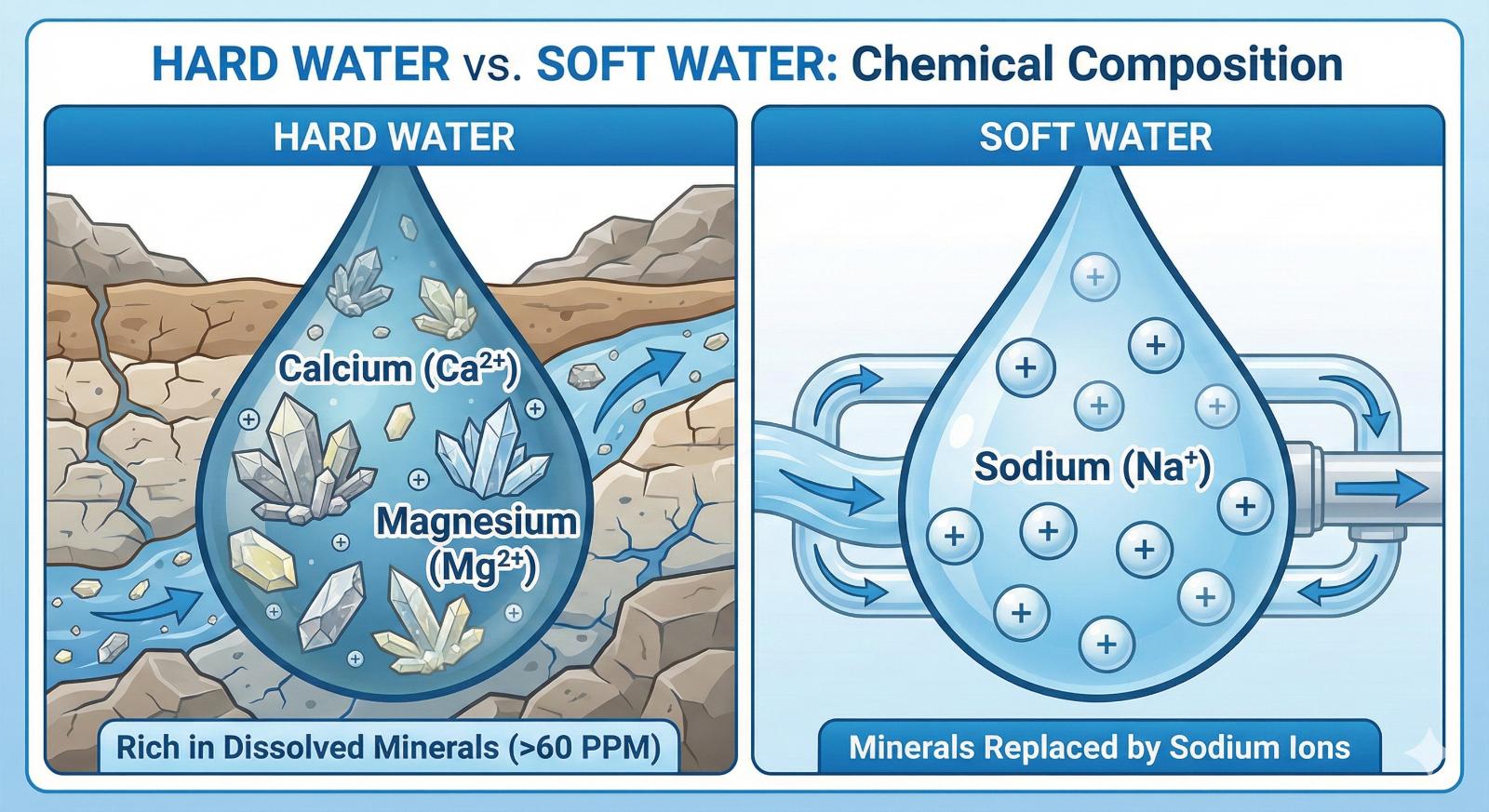
You’ve probably heard the terms hard water and soft water thrown around, maybe while scrubbing a stubborn soap scum ring off your shower door or complaining about dry hair. But what do they actually mean? It’s not about pressure or temperature. It’s all about the mineral content hiding in your tap.
In simple terms, hard water is rainwater that has traveled through limestone or chalk, picking up calcium and magnesium along the way. Soft water, on the other hand, contains very few of these minerals—either naturally or because they’ve been removed. Think of hard water as the friendly, over-enthusiastic neighbor who brings too many casseroles; soft water is the minimalist who keeps things sleek and efficient.
So how do you tell which one fills your glass? Look for the signs. If your soap doesn’t lather well, your dishes have cloudy spots, and your skin feels tight after a shower, you’re likely dealing with hard water. It’s the reason your kettle develops that creepy white crust (limescale) and why your laundry fades faster than you’d like.
Must Read
On the flip side, soft water gives you a luxurious, slippery lather. You’ll notice your hair feels silkier, your dishes dry spot-free, and you use way less soap. It sounds like a dream, right? Well, it has a downside: the sodium content from softening systems can be a concern for those watching their salt intake, and the water can taste a little flat—like it’s missing its mineral soul.
The Cultural Divide: Hard vs. Soft in Daily Life
Depending on where you live, you might be a hard water lifer or a soft water devotee without even knowing it. New York City’s famously soft water is the reason its bagels and pizza dough have that perfect chewiness. Move to London, and the hard water there makes it nearly impossible to brew a proper cup of tea without a crusty film on top.
This isn’t just science; it’s culture. In many European cities, people swear that hard water ruins their espresso machines, while in the American Southwest, soft water is practically a luxury status symbol. It’s a quiet battle playing out in millions of bathrooms and kitchens—a battle between mineral grit and silky flow.
And don’t even get me started on plumbing. Hard water is the silent enemy of pipes, gradually coating them in scale that reduces water pressure and shortens the life of your water heater. Soft water is the benevolent friend that keeps your appliances running smooth, but only if you can stomach the taste trade-off.
 Difference Between Hard & Soft Water | Explora Madeira
The Fun Facts You Didn’t Know You Needed
Here’s where it gets wild: you can actually feel the difference in your hands. Try rubbing your fingers together after rinsing them in hard water—they’ll feel squeaky clean, almost sticky. That’s the soap reacting with minerals to form a film. Soft water leaves your hands feeling slippery and soft, which takes some getting used to.
Another fun bit: the World Health Organization notes that hard water can actually help meet your daily calcium and magnesium needs. A glass of hard water might give you a tiny nutritional boost, while soft water offers none. But watch out—some people swear that hard water makes their eczema flare up, while others find it irritatingly dry.
And here’s a party trick: if you’ve ever wondered why hotel showers feel so nice, it’s likely because they use water softeners. That’s not just better shower gel—it’s chemistry working in your favor. Meanwhile, your grandma’s trick of adding a splash of vinegar to the rinse cycle? That’s a centuries-old hack to neutralize hard water’s effects.
Practical Tips for Living With Your Water Type
For hard water warriors: Install a showerhead filter. It’s cheap, easy, and will save your hair from that brittle, brassy look. Use a chelating shampoo once a week to strip mineral buildup. And for your appliances? Descaling with vinegar or citric acid every few months is non-negotiable—think of it as a spa day for your kettle.
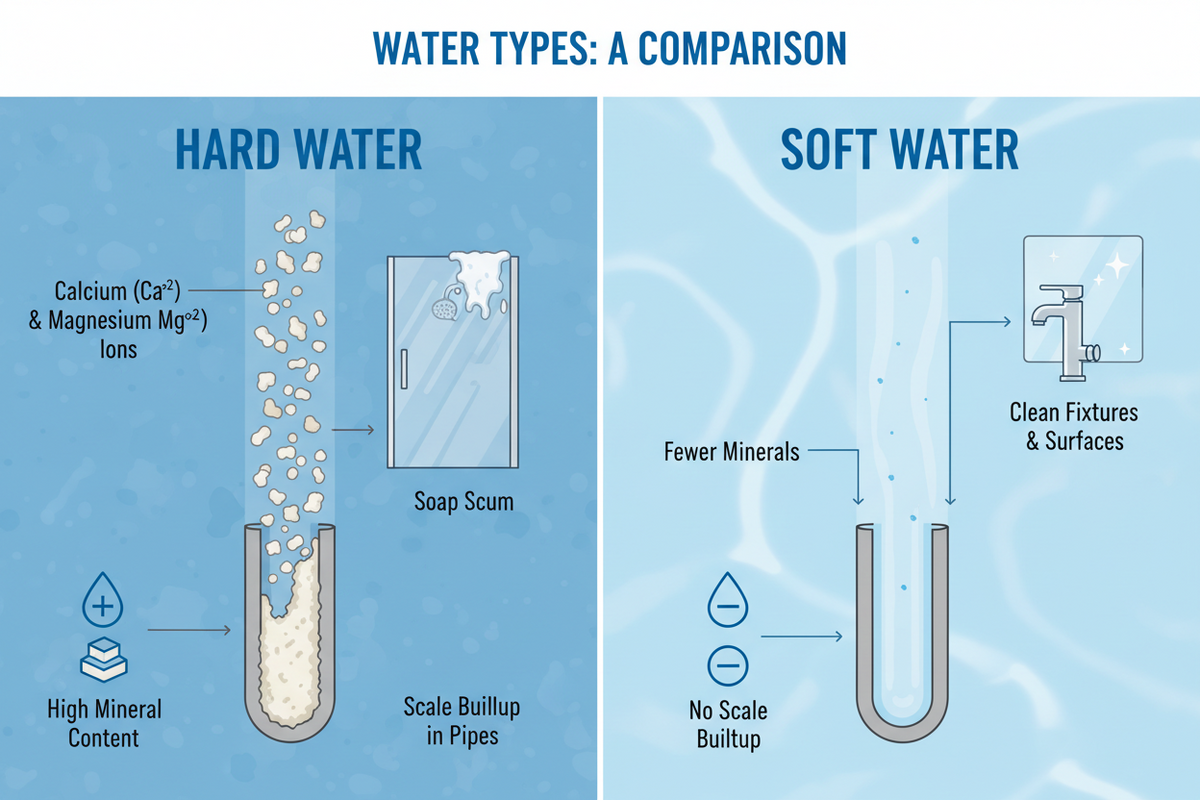 Hard vs. Soft Water Explained | Synergy Science™ – Echo Water
For soft water converts: You’ll need to adjust your soap usage. Seriously, use half as much laundry detergent and dish soap. Otherwise, you’ll be drowning in suds. Also, consider a reverse osmosis tap for drinking water to restore some mineral taste. Don’t let anyone tell you soft water is bad—it’s just different.
If you’re not sure what you’ve got, buy a water test kit at any hardware store. It’s a ten-minute science experiment that reveals the truth. Or, call your local water utility—many publish annual reports showing hardness levels for your area. Knowledge is power, especially when it comes to your daily cup of coffee.
Short Reflection: It’s All About Flow
At the end of the day, the hard vs. soft water debate is a reminder that even the most invisible elements shape our daily rituals. The water that wakes you up, cleans your dishes, and steams your vegetables has a personality—a quiet character that influences how you feel, how your home functions, and how your morning tea tastes.
Whether you’re rinsing with mineral-rich hard water or silky soft, the real magic isn’t in the chemistry. It’s in the pause you take to notice it. Maybe you’ll start appreciating that little limescale crust as a mark of character, or maybe you’ll finally buy that filter you’ve been eyeing. Either way, you’re now part of a very old, very wet conversation.
So go ahead, pour yourself a glass. Taste it. Feel it. And remember: it’s just water—but it’s also your water. That makes all the difference.
