How To Remove Lime Buildup

You know that chalky, white crust that’s slowly colonizing your faucet like a hostile alien nation? That’s lime buildup. It’s the ghost of hard water past, and it’s plotting a...

You know that chalky, white crust that’s slowly colonizing your faucet like a hostile alien nation? That’s lime buildup. It’s the ghost of hard water past, and it’s plotting against your plumbing.
Here’s the kicker: lime is basically just mineral skeleton that calcium carbonate leaves behind when water evaporates. Most tap water in the U.S. is “hard,” meaning it’s packed with dissolved calcium and magnesium. Fun fact: That same white residue is chemically identical to the limestone that built the Pyramids. Congratulations—you’re unwittingly constructing ancient Egypt in your coffee pot.
The Vinegar Gambit (A.K.A. Chemistry for Lazy People)
The easiest way to win this war is with white vinegar. Vinegar is an acid, and lime scale is an alkaline base. When they meet, they throw a tiny chemical party that ends with the lime scale dissolving into a fizzy, harmless mess. It’s like a breakup, but without the awkward texts.
Must Read
Just fill a Ziploc bag with undiluted white vinegar, strap it to your faucet with a rubber band, and let it marinate for an hour. The bag will look like a stubborn jellyfish, but the results are pure magic. When you peel it off, the chrome underneath will gleam so brightly you’ll need sunglasses.
For a kettle or coffee maker, do a 50/50 mix of water and vinegar, boil it, and let it sit for 20 minutes. The gunk will slough off like a snake shedding its crusty skin. Warning: Your kitchen will smell like a vinaigrette factory for a day. Open a window and blame it on your experimental cooking.
Citrus Justice (When You Want to Smell Good While Fighting Evil)
If vinegar’s aroma makes you gag, reach for lemons or limes. The citric acid is a gentler, fruitier assassin. Cut a lemon in half, rub it directly onto the scale, and let the juice sit for ten minutes. For bonus points, sprinkle salt on the lemon half—now you’re basically scrubbing with a delicious science project.
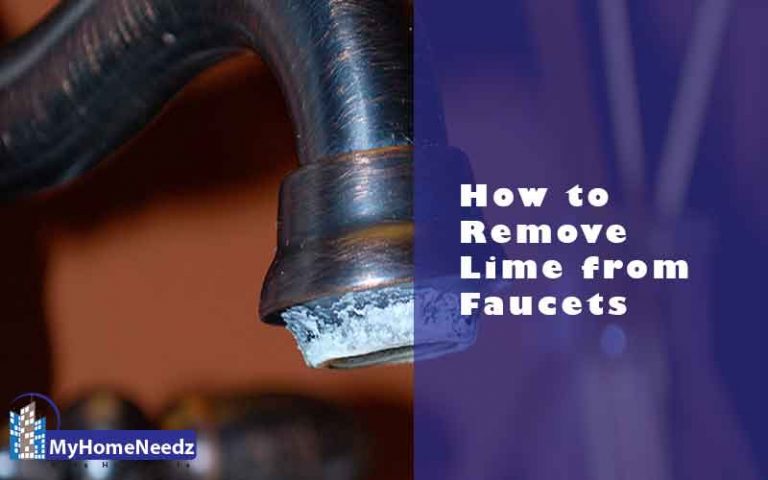 How to Remove Lime from Water and Buildup on Faucets
I once used a whole lemon to descale a showerhead. I stuffed it into a bag, taped it on, and left it overnight. The next morning, the water pressure was so strong it nearly peeled the skin off my back. That’s the power of fruit.
Here’s a shocker: limescale can actually protect your pipes in small amounts—like a mineral armor. But when it gets thick, it’s less “armor” and more “chalky straitjacket for your water flow.” Keep it thin or kill it with citrus.
The Bizarre Secret Weapon: Club Soda
Yes, the same stuff mixologists use to make your highball fizzy is a limescale dissolver. Club soda contains carbonic acid and sodium citrate—a one-two punch. Pour it over a stained glass shower door, wipe it off, and watch the haze vanish. It’s cheaper than a therapist and more satisfying than a clean inbox.
Bonus: If you spill club soda on a lime-scale stain, you can tell people you’re “conducting a culinary experiment.” They’ll nod politely and back away slowly. That’s the mark of a successful cleaning hack.
 Effective Methods To Dissolve And Remove Lime Buildup In Concrete
One surprising fact: hard water actually adds calcium to your diet, so you’re technically drinking a calcium supplement every time you sip from the tap. It’s like a multivitamin that also ruins your showerhead.
The After-Descaler Survival Kit
Once the lime is gone, you must prevent its return. That means drying surfaces immediately. Water spots are like vampires—they can only form in the wet, dark, lazy corners of your life. A squeegee on your shower wall is the wooden stake you need.
Also, consider a water softener. It’s a giant machine that swaps calcium for sodium, making your water “soft” as a kitten’s belly. The installation is a hassle, but your pipes will sing thank-you notes in the form of zero buildup for years. My neighbor installed one and swore his hair got shinier. I’m not saying it’s a miracle… but I’m also not not saying that.
Final pro-tip: never use bleach on lime scale. Bleach is basic, lime scale is basic—they’re like two grumpy old men who refuse to react. You’ll just end up with a bleached, still-crusty mess and a headache. Stick to acids. Your faucets will sparkle, your coffee will taste better, and you’ll have a great story about the time you fought the Pyramids with vinegar and won.
