How To Test Your Tap Water

So, you turn on your faucet and out comes water. Pretty magical, right? But have you ever wondered what else is sneaking into that glass beside good old H2O? Testing your tap...
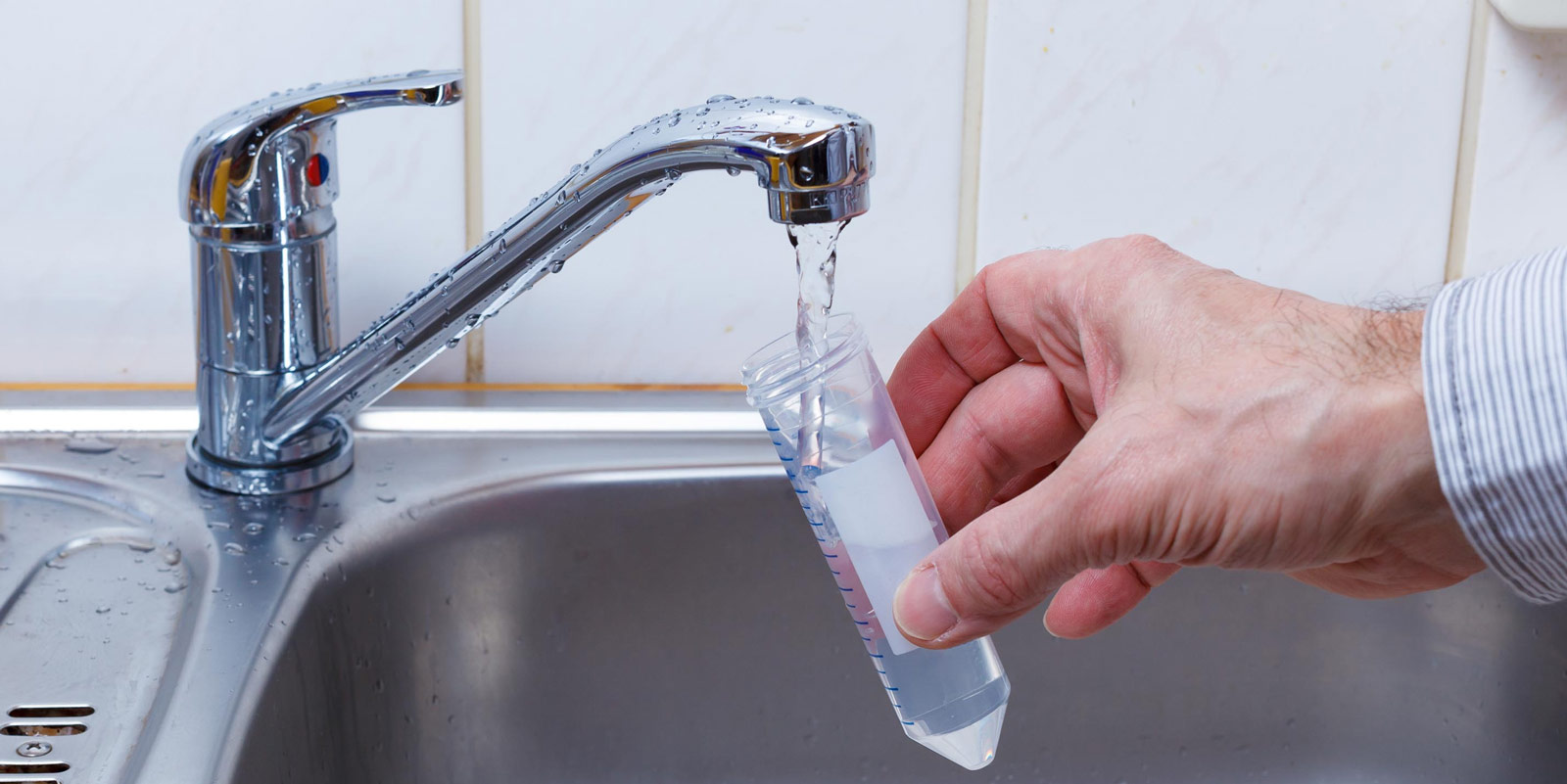
So, you turn on your faucet and out comes water. Pretty magical, right? But have you ever wondered what else is sneaking into that glass beside good old H2O? Testing your tap water isn't just a chore for scientists in lab coats—it's a surprisingly fun little detective mission you can do from your own kitchen.
Why Bother Getting Your Hands Wet?
Let’s be honest: we trust our water a lot, but it has a secret life. Pipes, treatment plants, and even your own plumbing can add uninvited guests like chlorine, lead, or hard minerals. Knowing what’s in your water isn't about fear—it's about taking charge of your home’s VIP (Very Important Plumbing).
Plus, once you test it, you unlock cool party tricks. You’ll actually know why your coffee tastes weird or why your shower leaves soap scum. Suddenly, water becomes a conversation starter.
Must Read
Step One: The "Look and Sniff" (No Lab Coat Required)
Before you buy any fancy kits, start with your senses. Fill a clean glass and hold it up to the light. Do you see floaters or a milky haze? That’s your first clue. Give it a gentle sniff. If it smells like a swimming pool, that’s chlorine—common but worth noting. A rotten-egg smell? That might be sulfur or bacteria from your hot water heater.
These simple checks turn you into a water whisperer. Don’t worry, no one’s judging your tasting notes—write them down like you’re reviewing a fine wine.
Step Two: Pick Your Testing Adventure
You have two main routes: a home test kit or a professional lab. Home kits are fast, cheap, and wildly satisfying. You dip a strip, watch it change color, and match it to a chart. It feels like playing a science board game where you’re the winner.
For deeper intel, order a lab test (you get a mail-in kit, send a sample, and receive a report). Pro tip: Check if your local health department offers free or low-cost testing for things like lead. That’s like finding a hidden level in a video game.
 Is Your Tap Water Safe!? How to Test Drinking Water Quality with
What to Test For: The Hit List
Focus on these big players: pH levels (acidity can corrode pipes), hardness (calcium and magnesium—annoying but harmless), chlorine (makes water taste off), and lead or copper (the serious ones you want to catch early). Most basic kits cover these. If you live near farmland, consider testing for nitrates too.
Remember, testing for bacteria is separate—usually a petri dish setup. But hey, one step at a time.
Step Three: Play Detective with the Results
Okay, you’ve got numbers and colors. Don’t panic—most results are totally normal. A slightly hard water reading doesn’t mean alien invasion. It means you might benefit from a simple filter or descaling your kettle. High chlorine? Let your water sit in a pitcher for an hour before drinking—it evaporates.
If you find lead or high levels of anything scary, call your water utility or a plumber. But here’s the fun part: You now have a science-based reason to upgrade your sipping experience. You’re not just fixing a problem; you’re curating your home’s hydrating vibe.
 Checking the quality of tap water with a water test kit - Stock Image
Make It a Mini-Event
Testing your tap water is more fun with friends or family. Turn it into a “Water Tasting Party.” Fill glasses from your tap, a bottle, and your neighbor’s hose. Compare notes, laugh at the icky ones, and declare a winner. You’ll learn way more than from a boring brochure.
Plus, it’s a great excuse to start a kitchen science kit. Buy a pH meter or TDS (total dissolved solids) pen—they’re under twenty bucks and feel like James Bond gadgets. Suddenly, you’re testing not just water, but also your iced tea and even your aquarium.
The Uplifting Final Sip
Here’s the beautiful truth: testing your tap water isn’t about fear—it’s about curiosity and care. Every test is a little high-five to yourself that says, “I live here, and I want to know.” You’re not just consuming water; you’re connecting with the hidden flow that keeps your home alive.
So go ahead—grab a test strip, get a little nerdy, and discover the secret personality of your tap. You might just find that the most ordinary thing in your life is actually extraordinary. And who knows? Next week, you’ll be testing your soil or checking the pH of your morning kombucha. Welcome to the wonderful world of testing—where every drop tells a story.
