How To Test For Hard Water

Ever turned on your tap and noticed a weird, chalky film clinging to your tea kettle? Or maybe your soap just won’t lather up no matter how hard you scrub? You might be dealin...

Ever turned on your tap and noticed a weird, chalky film clinging to your tea kettle? Or maybe your soap just won’t lather up no matter how hard you scrub? You might be dealing with hard water.
It’s not dangerous, but it’s definitely a quirky personality trait of your home’s plumbing. Think of it as water that got a little too friendly with rocks underground. Curious to know if your water is “hard” or just being dramatic?
What Is Hard Water, Anyway?
Hard water is simply water loaded with extra minerals, mainly calcium and magnesium. It’s like your water went to a rock concert and came home with a bunch of groupies.
Must Read
These minerals aren’t harmful to drink—in fact, they can even be good for you! But they love to settle on surfaces, making your glassware spotty and your shower doors look like a snow globe exploded.
So, how do you test for this mineral-heavy party crasher? No fancy science degree required. Grab a few household items and let’s get curious.
The Classic Soap Trick
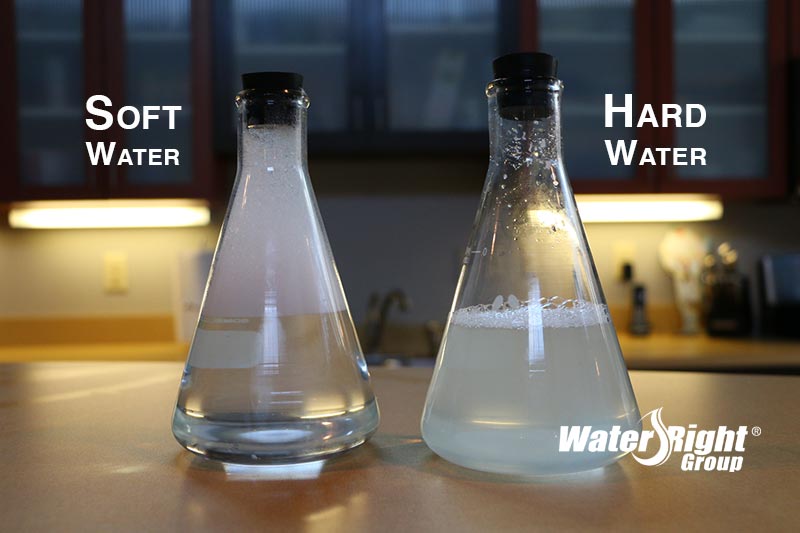
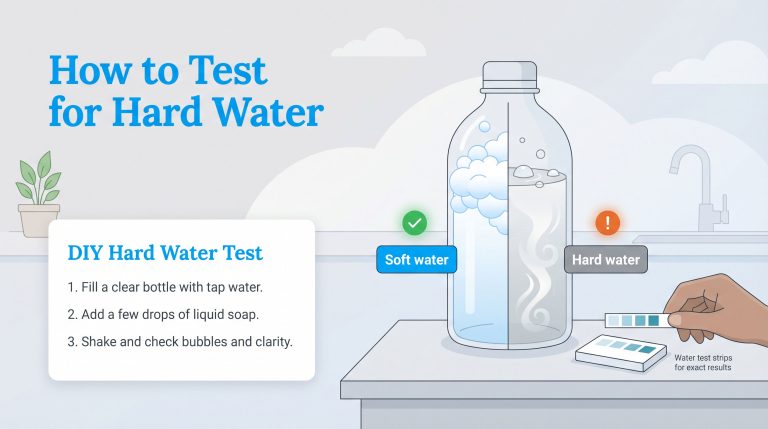
This one is almost too simple. Fill a clear bottle with tap water, add a few drops of liquid soap (real soap, not detergent), and shake it up.
If you get tons of fluffy, bubbly lather? Congrats, you have soft water. If the water turns cloudy and milky with barely any suds? That’s hard water saying, “Hello!”
The minerals actually grab onto the soap before it can do its bubbly magic. So every shower is a battle between you and the rocks.
The Visual Clues (Your Eyes Know First)
Look at your glassware after it air-dries. If you see white spots or a hazy film, that’s mineral residue. It’s basically petrified water drops.
Same goes for your faucets and showerheads. A crusty, whitish buildup near the spout? That’s hard water saying, “I live here now.”
 How To Check Water For Hardness at Brianna Hort blog
It looks a bit like stalactites forming in a cave, right? Only way less adventurous and more annoying to clean.
The Strip Test (For the Data Lovers)
If you like hard numbers, grab a hard water test strip from any hardware store. You dip it in a glass of water for a second, then wait.
The strip changes color to show the grains per gallon (gpg) or parts per million (ppm) of minerals. It’s like a mood ring for your plumbing.
Anything under 1 gpg is soft water. Over 7 gpg? That’s like drinking liquid chalk—don’t worry, it’s still fine, but your appliances will feel it.
The Boiling Test (A Science Show)
Boil a pot of water and let it cool. Do you see a thin, white film floating on the surface? That’s calcium carbonate—the same stuff that makes up limestone.
It means your water is so mineral-rich it’s basically a weak, drinkable limestone tea. Honestly, it’s pretty cool to see rocks defy gravity inside your kitchen.
No film? Your water is likely soft, or at least a polite guest.
Why Does It Matter?
Okay, hard water isn’t a health crisis. But it is a tiny menace to your stuff. It clogs pipes, makes soap scum a permanent resident, and even fades your laundry colors.
 What Is Hard Water? Signs, Tests, and Sustainable Solutions – Utilities
Plus, it can make your hair feel straw-like and your skin a bit dry. Not the end of the world, but annoying like a mosquito at a picnic.
On the flip side, hard water tastes distinctly mineral—some people love that crisp, cold, rocky flavor. It’s like a natural mineral water, but from your sink.
Fun Comparisons
Testing for hard water is like checking if your tap is secretly a rock crusher. The harder the water, the more calcium ghosts haunt your dishes.
Think of soft water as a chill friend who lets soap do its job. Hard water is that overbearing friend who insists on micromanaging every bubble. You can work with both, but one is definitely easier.
And if you find you have hard water, don’t panic. A water softener can fix it, or you can just embrace the mineral magic and scrub a bit more. It’s your water, your vibe.
So, What’s Your Water’s Zodiac Sign?
Now you know the simple tests: shake soap, check for spots, or dip a strip. It’s a five-minute experiment that reveals a whole hidden world in your pipes.
Hard water isn’t bad—it’s just extra. Kind of like that friend who always brings too much seltzer to a party. You didn’t ask for it, but it makes things interesting.
Go ahead, test your tap. It might be rock-starrish, or it might be perfectly chill. Either way, now you know—and knowledge is the softest water of all.
