How To Test Water Hardness

Let’s talk about something you touch, drink, and bathe in every single day but probably never think twice about: your water. It’s more than just wet—it’s a chemical cocktail,...
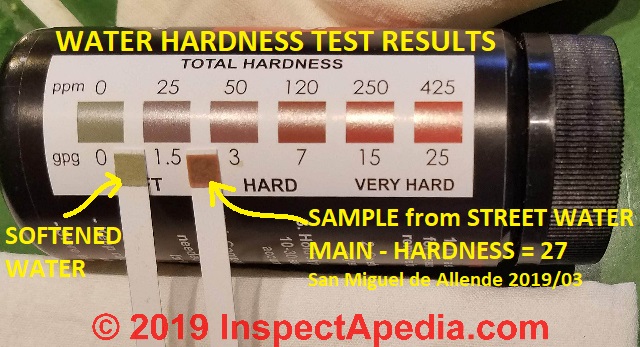
Let’s talk about something you touch, drink, and bathe in every single day but probably never think twice about: your water. It’s more than just wet—it’s a chemical cocktail, and the star ingredient is often calcium and magnesium. The balance of these minerals determines if your water is “hard” or “soft,” and trust us, this tiny detail dictates everything from your morning latte to the lifespan of your fancy espresso machine.
So, what even is hard water? Imagine rain falling through limestone or chalk deposits, picking up minerals like a gossip collects secrets. The result is water packed with dissolved calcium and magnesium carbonates. It’s not dangerous to drink, but it’s a notorious troublemaker for your plumbing, your skin, and your clean laundry.
Living with hard water is like having a friend who leaves limescale all over your shower door and makes your soap refuse to lather. You don’t necessarily need a Ph.D. in chemistry to spot it, though. If your dishes come out cloudy or your hair feels strangely sticky after washing, you’re probably already on the hard-water express.
Must Read
The Shake Test (Your Hands Need to Do This)
Before you order a fancy water-testing kit or call a plumber, try the most low-tech method on Earth: the soap shake test. Grab a clean, transparent plastic bottle with a lid—a water bottle works perfectly.
Fill it about one-third full with tap water. Add exactly 10 drops of pure liquid dish soap (avoid anything with moisturizers or fancy additives). Screw the cap on tight and shake the bottle vigorously for about 10 seconds.
Now, watch the magic. Soft water will produce a tall, fluffy pile of bubbles that look like whipped cream. Hard water? You’ll get barely any foam—just a thin, scummy layer on top and cloudy water underneath. If you can still see the bottom of the bottle clearly, your water is hard enough to wrestle a bear.
The Radiator Whisperer: Listen to Your Appliances
Your kettle is a surprisingly good water-hardness detective. If you notice a white, chalky crust building up on the heating element or floating in your tea (looks like dandruff from a snowman), that’s limescale. It’s the physical evidence of hard water going to work.
Coffee lovers, pay attention. If your pour-over coffee takes forever to drip through or your automatic machine starts spewing steam clouds like Mount Vesuvius, hard minerals are clogging the internal pathways. A good rule: if your espresso tastes flat and dull, the minerals are binding to the flavor compounds, stealing your morning joy.
Even your washing machine complains. Hard water makes detergent less effective, so you might need to use more soap just to get clothes clean. And those gray, stiff towels? Yep, hard water minerals are bonding to the fabric fibers, turning your fluffy bath sheet into cardboard.
 4 Ways to Test Water Hardness (Easy Methods)
The Fingertip Feel Test (It’s Weirdly Accurate)
After you wash your hands with bar soap, rinse them well. Now wait about 30 seconds. Rub your fingers together—do they feel slick, almost squeaky clean? That’s soft water. Do they feel dry, sticky, or like you still have a film of soap on them? That’s hard water doing its thing.
This sticky feeling is actually the soap reacting with calcium to form soap scum, which doesn’t rinse off easily. In ancient Rome, they called this “saponis crusta,” and they’d often build aqueducts specifically to bypass hard-water springs. You now have the same knowledge as a Roman engineer. Use it wisely.
Another low-tech clue: check your shower glass or faucets. If you see those iridescent, rainbow-looking stains (like a puddle of gasoline), that’s mineral residue. It’s hard water’s calling card, and it’s harmless but incredibly annoying to scrub off.
Going Pro: The Test Strips (And a Fun Chemistry Throwback)
If you want numbers, not feelings, grab a water hardness test strip from any hardware store or online retailer. They cost about a latte’s worth of money. Dip it in a glass of room-temperature tap water for 2 seconds, wait for the pad to change color, and compare it to the chart on the bottle.
The scale is measured in grains per gallon (gpg) or parts per million (ppm). Under 1 gpg is soft. Between 3.5 and 7 gpg is moderately hard. Anything over 10.5 gpg is “time to call a water softener company” territory. For reference, the city of Las Vegas often has water over 16 gpg—basically liquid bedrock.
A fun fact: the term “hard water” actually comes from the Middle Ages. Laundry maids found that water “hard to wash” with, so they called it exactly that. They didn’t have test strips, just very frustrated hands and graying linens.
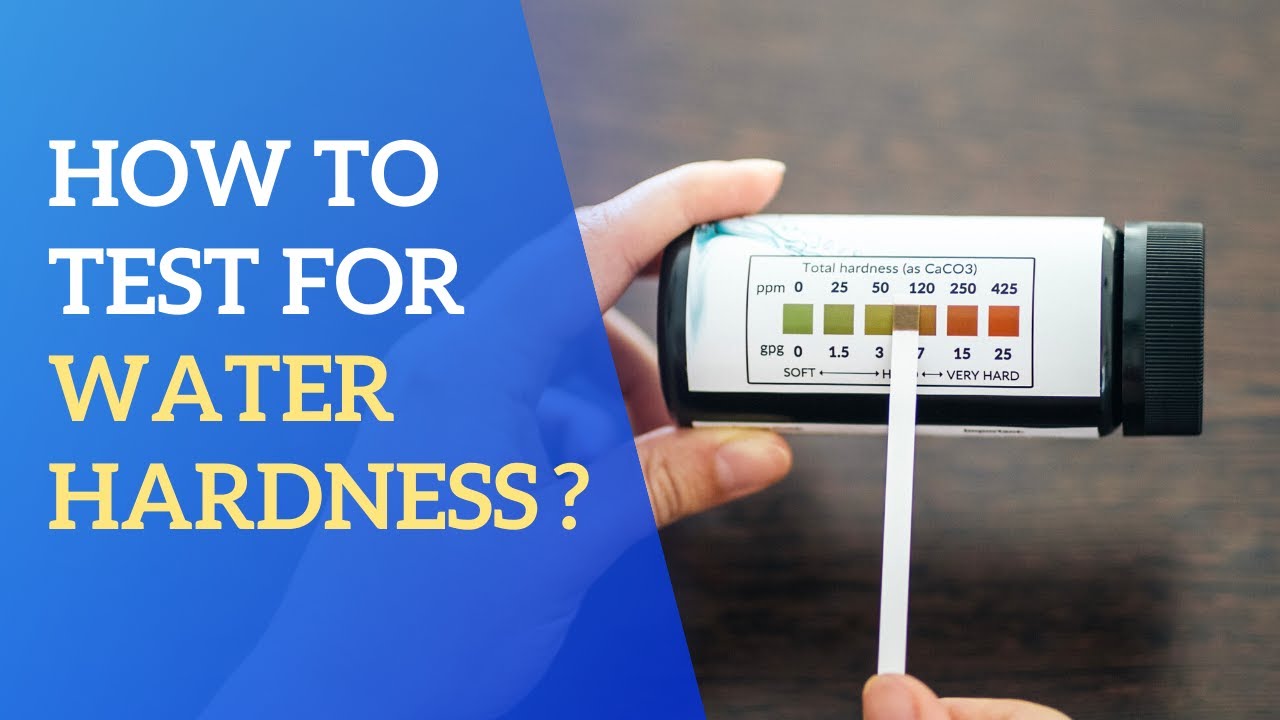 Water Hardness Test Strips - How To Test For Water Hardness? - YouTube
The Hard Water Survival Guide
So your water is hard—now what? You don’t need to move to a mountain spring. A simple pitcher filter will remove some minerals for drinking water. For your coffee maker, just run a monthly cycle with white vinegar (one part vinegar to two parts water) to dissolve the limescale.
For your skin, try switching to a cleansing oil or cream cleanser instead of bar soap; they won’t react with the minerals to create that sticky film. And for laundry, add a half-cup of washing soda or borax to your next load—it helps the detergent work better in hard water.
If you’re a renter and can’t install a whole-house system, a showerhead filter is a twenty-dollar game changer. It’s the easiest way to stop your hair from feeling like straw and your skin from turning into a desert. Future you, with glowing elbows, will thank you.
And a pro tip: if you brew tea, hard water can ruin the taste. British tea experts swear by adding a tiny pinch of baking soda to the cup before boiling water—it neutralizes the minerals and lets the tannins shine. It’s the same trick used in London tea shops to deal with the city’s notoriously hard tap water.
Finally, embrace the irony. Hard water is a nuisance, but those calcium and magnesium minerals? Your body actually needs them for strong bones and nerves. You’re literally fighting the very thing that keeps your skeleton together. So the next time you scrub limescale, just remember: you and your water are in a complex relationship.
In daily life, testing water hardness is less about being a lab scientist and more about listening to your home. The cloudiness in your glass, the squeak of your skin, the slow drip of your kettle—they’re all tiny signals. Paying attention to them turns a mundane task into a small act of care. And really, isn’t that what a comfortable life is all about? Knowing what’s in your water, so you can drink, bathe, and live a little easier.
