How To Check Body Ph Level

You’ve probably heard the word pH thrown around in wellness circles—right next to kale smoothies and cryotherapy. But what does it actually mean for your body? Think of pH as...
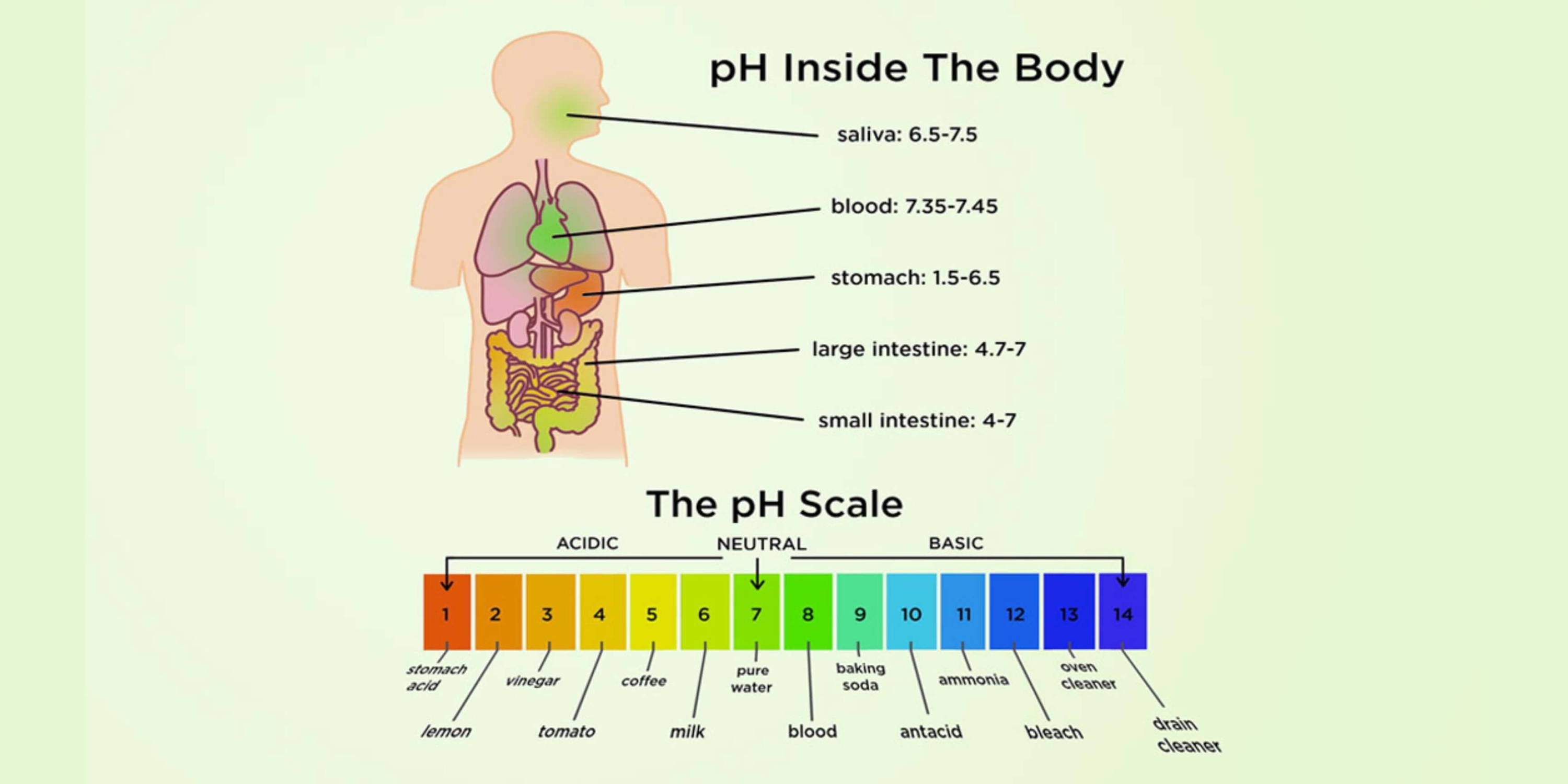
You’ve probably heard the word pH thrown around in wellness circles—right next to kale smoothies and cryotherapy. But what does it actually mean for your body? Think of pH as the vibe check of your inner ecosystem, measuring how acidic or alkaline your fluids are on a scale from 0 to 14.
A neutral pH is 7. Your blood likes to hang out at a slightly alkaline 7.35 to 7.45. When things slide too far toward acidic (think: fast food, stress, and late nights), your body starts throwing subtle tantrums—fatigue, dull skin, or that foggy brain feeling.
Of course, you can’t test your blood pH at home like you’re in a sci-fi lab. But you can get a solid, practical snapshot using two everyday materials: urine and saliva. Welcome to the chill science of self-checking.
Must Read
The DIY Test: What You’ll Need
First, grab a pack of pH test strips from any drugstore or online shop. They usually cost less than your morning latte. You’ll also need a small cup, a timer, and about three minutes of quiet.
For a urine test, collect a mid-stream sample first thing in the morning—before you drink anything. Dip the strip in for a few seconds, then compare the color to the chart on the box. Morning urine tends to be more acidic (around 6.0 to 6.5), which is totally normal.
For a saliva test, wait at least two hours after eating or brushing your teeth. Spit into a clean cup (glamorous, we know), dip a strip, and check the color. Saliva usually reads a bit higher, around 6.8 to 7.0.
What the Numbers Really Mean
Don’t obsess over a single reading—your body is a dynamic masterpiece, not a math exam. A morning urine pH of 6.0 might just mean you ate a steak last night. A saliva test of 7.2 could mean you’re perfectly hydrated.
The goal is balance, not perfection. Chronic readings below 6.0 in urine or below 6.5 in saliva might signal your body is working overtime to buffer acid. On the flip side, overly alkaline readings (above 8.0) are rare and can hint at infections or digestive issues.
Fun fact: Your stomach has a pH of 1.5 to 3.5—acidic enough to dissolve a razor blade (seriously, don’t try that). That’s why checking stomach pH at home is a no-go; we’re only looking at your body’s waste products.
 How To Test The PH Level of Your Body - YouTube
Cultural Vibes & The Acid-Alkaline Myth
The “alkaline diet” trend exploded thanks to celebs like Victoria Beckham and Tom Brady. They swear by green juices and avoid coffee, claiming it changes your blood pH. Spoiler: Your body regulates blood pH with legendary precision. Eating a lemon won’t turn you into a cucumber.
But the diet isn’t total nonsense. Foods that leave an alkaline ash—like leafy greens, almonds, and watermelon—can support your kidneys and reduce inflammation. Acid-forming foods (meat, dairy, processed snacks) are fine in moderation, but a steady diet of them can make your urine consistently acidic.
In Japanese culture, the concept of shinrin-yoku (forest bathing) is seen as a way to balance pH through deep breathing and nature. In Ayurveda, bitter greens and turmeric are go-to alkalizers. Basically, every culture has a wisdom that real food + chill vibes = better chemistry.
Practical Tips to Nudge Your pH
Test once a week for a month to see your personal baseline. Use a journal or notes app—write down what you ate, how you slept, and if you felt stressed. Patterns will emerge like a slow-motion jazz riff.
If your readings lean acidic, try starting your day with warm lemon water. It’s not an alkaline miracle, but it hydrates and supports your liver. Swap one soda for sparkling water with a splash of apple cider vinegar—your taste buds will adjust.
Add more green vegetables to your plate. A handful of spinach, spiralized zucchini, or a side of steamed broccoli can gently shift your body’s pH toward the happy zone. And drink water—not gallons, but enough that your pee is pale yellow.
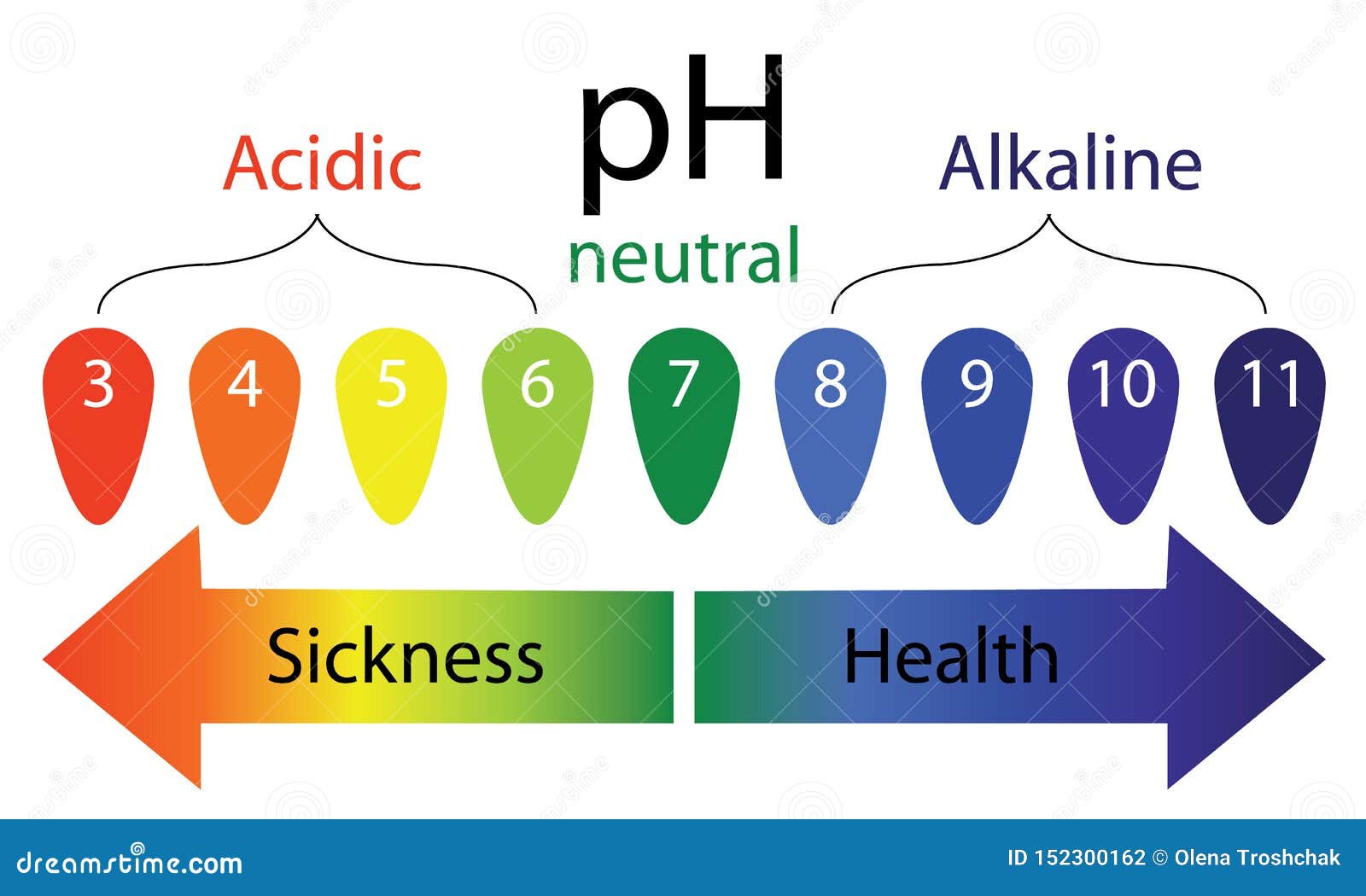 How To Check Ph Value Of Human Body at Marjorie Summerville blog
Fun fact: Deep breathing for five minutes can temporarily raise saliva pH by reducing carbon dioxide. So next time you’re stuck in traffic, inhale for four counts, hold for four, exhale for six. You’re simultaneously calming your nerves and tweaking your chemistry.
When to Seek Professional Help
If your home tests consistently show numbers way outside the normal range (below 5.5 or above 8.0 in urine), don’t panic. But do check in with a doctor. Persistent acidity can sometimes point to kidney issues, respiratory problems, or metabolic conditions.
Similarly, if you’re always tired, have unexplained muscle cramps, or your skin feels like sandpaper, it’s worth getting a blood pH test from a lab. Home strips are a guide, not a diagnosis.
Remember: Your body already has a brilliant system—your lungs and kidneys are working 24/7 to keep you in balance. You’re just giving them a little friendly feedback.
The Daily Takeaway
Checking your body’s pH level is less about chasing an ideal number and more about listening to the story your chemistry is telling you. One morning, your urine might say, “Hey, maybe skip the double espresso today.”
So buy a pack of strips, test with curiosity, and laugh at the weird colors. Then eat a salad, stress less, and take a walk in the sun. Your pH will thank you—and so will your vibe.
