How To Mix Acid With Water

We’ve all been there. You’re in the kitchen, about to make a lemonade concentrate, and you accidentally think about that old high school chemistry rule: “Do what you oughta, a...

We’ve all been there. You’re in the kitchen, about to make a lemonade concentrate, and you accidentally think about that old high school chemistry rule: “Do what you oughta, add acid to water.” It sounds like a boring safety lecture, but honestly, it’s more like the golden rule of not making your kitchen explode. Think of it as the difference between a gentle hug and a slap in the face.
Mixing acid and water is like introducing two very different personalities at a party. The water is the chill, laid-back host who just wants to hang out. The acid, on the other hand, is that hyperactive friend who screams, “LET’S DO SOMETHING CRAZY!” If you pour the water into the acid, you’re basically letting the hyperactive friend stage-dive onto the host. Chaos ensues.
Why You Shouldn’t Be a Rebel
Pouring water into concentrated acid is like trying to extinguish a grease fire with a water balloon. The reaction is so fast and exothermic (science-speak for “hot enough to melt your face off”) that the liquid can instantly boil and splatter. I once saw a YouTube video where a guy did this for a prank—he didn’t get a laugh, he got a chemical burn on his forearm.
Must Read
It’s the same reason you don’t add milk to a hot pan of caramel. The milk spits, the caramel burns, and you’re left crying over a ruined dessert. Acid and water have a similar grudge match if you break the rules.
The Right Way: Be a Gentle Chef
Imagine you’re making a delicate sauce for pasta. You don’t just dump the cream in from a height—you stir it slowly into the warm broth. That’s exactly how you treat acid and water. Always pour the acid into the water, not the other way around. The water acts like a big, cool swimming pool that absorbs the acid’s energy.
I remember cleaning my bathroom drain with muriatic acid once (because nothing says “fun Saturday” like fuming pipes). I filled a bucket with water first, then slowly trickled the acid in while stirring with a wooden stick. My hand felt a little warmth, like holding a coffee cup, but no drama. It was the most Zen bathroom chore of my life.
 Video: Mixtures of Acids
What Happens If You Get It Wrong?
Let’s paint a picture. You’re at a BBQ, and someone offers you a squeeze of lime on your taco. That’s a weak acid—fine. But if you accidentally swapped that lime for a vial of sulfuric acid? You’d have a taco-shaped crater. And not the tasty kind.
If you mess up the mixing order, the acid can spit like an angry cat. A tiny drop can burn a hole in your shirt before you even say “oops.” I once had a lab coat that looked like a polka-dot poodle after a colleague’s careless pour. We called it “the spotted wonder” and hung it as a warning to interns.
Everyday Life Comparisons
Think of it this way: adding water to acid is like inviting a bull into a china shop by opening the front door. The bull (acid) is already agitated, and the water (china) gets smashed everywhere. But adding acid to water? That’s like gently introducing a shy kid to a playground. The water gives the acid space to calm down and dissolve peacefully.
Another analogy? Making a cocktail. You don’t dump the mixer into the bottle of vodka—you pour the vodka (strong stuff) into the glass with the mixer (water-like). The only difference is that a spilled vodka cocktail smells better than a spilled acid puddle.
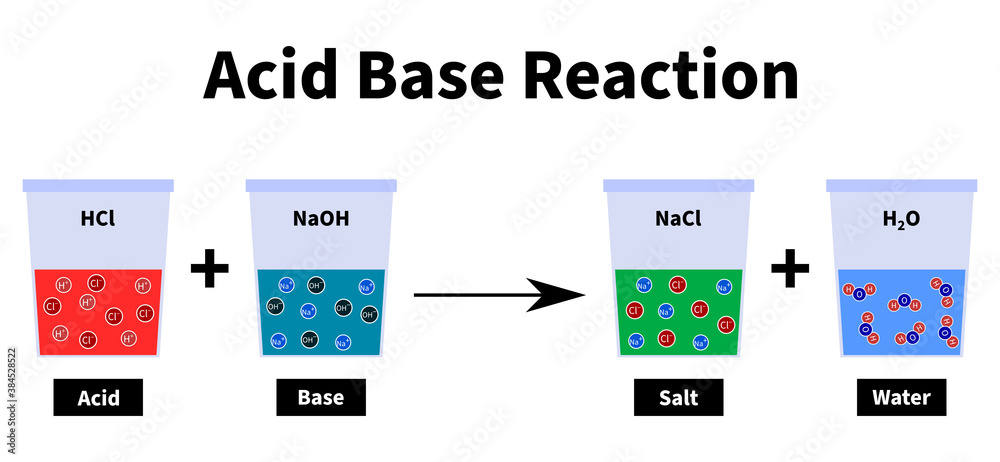 Acid base reaction: salt water hydrogen chloride sodium hydroxide
Tools of the Trade
You don’t need a mad scientist’s lab for this. A simple glass container (not metal—acid loves eating metal for breakfast), a stirring rod, and your wits are enough. And please, wear gloves. I learned that lesson when I tried to clean a battery terminal with bare hands and ended up smelling like a burnt lemon for three days.
Safety glasses are also a good idea. You only get two eyes, and neither of them is replaceable with a trip to the hardware store. Unless you’re a cyborg, in which case, ignore this advice.
The Takeaway: It’s All About Respect
Mixing acid with water isn’t scary if you respect the chemistry. It’s like driving a car—you know the accelerator is not a brake, so you don’t stomp on it. The rule is simple: Add the acid to the water, stir, and take your time. No explosions, no tears, no dramatic ER visits.
So next time you’re cleaning a drain, pickling cucumbers, or feeling nostalgic for high school science, remember the phrase: “Do what you oughta, add acid to water.” It’s the difference between a chef’s masterpiece and a kitchen volcano. Stay safe, and may your mixtures be as chill as a Sunday afternoon.
