How To Read My Water Meter

Let’s be honest—staring at a water meter feels about as exciting as watching paint dry. But here’s the thing: that little dial is like a personal assistant for your wallet. On...

Let’s be honest—staring at a water meter feels about as exciting as watching paint dry. But here’s the thing: that little dial is like a personal assistant for your wallet. Once you know how to read it, you’ll spot leaks, save money, and feel like a total home hero. No tools required, just a few minutes and a little curiosity.
First, Find Your Meter (It’s Not Hiding from You)
Your water meter is usually in a concrete box near the street, or sometimes in your basement or garage. Think of it as your home’s water speedometer—it tracks every drop that flows through your pipes.
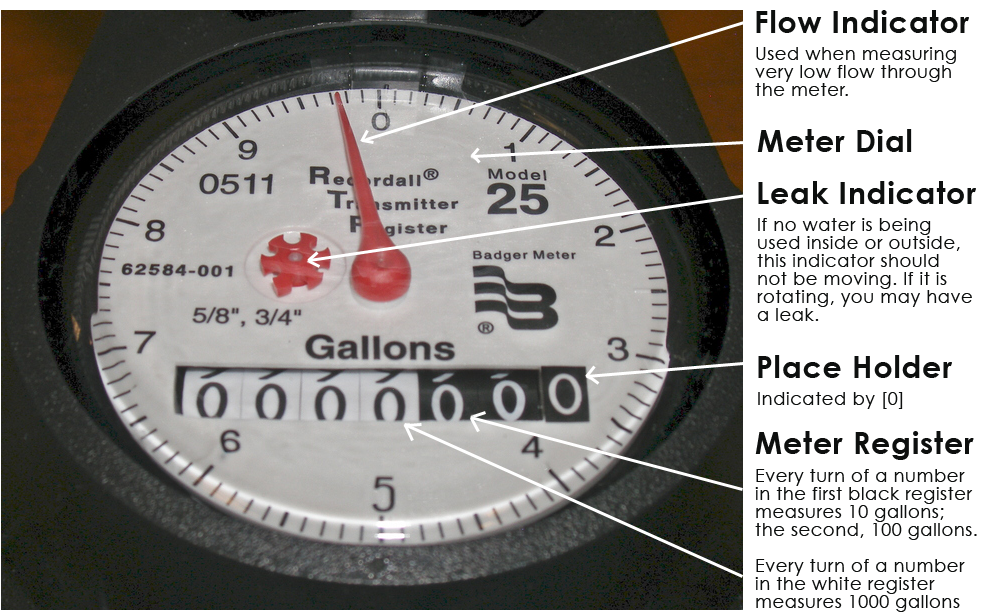
Lift the lid carefully (watch out for spiders—they love these little hideouts!). You’ll see a round face with numbers and maybe a little spinning triangle or star. That triangle is your best friend; we’ll come back to it.
Must Read
The Numbers: A Story of Gallons (or Cubic Feet)
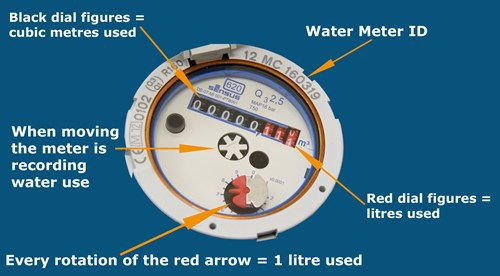
Most meters have a row of numbers, like an odometer in your car. These are your total gallons used since the meter was installed. For example, if you see 02345, you’ve used 2,345 gallons.
Ignore the red numbers or the ones that spin—they measure tiny amounts. Focus on the big black numbers. Write them down today, then check again next week. If they jump a lot, your garden might be thirstier than you think.
Pro tip: If your meter shows cubic feet instead of gallons, don’t stress. One cubic foot equals about 7.48 gallons. You can still track usage just fine—it’s the change that matters most.
The Triangle of Truth: Your Leak Detector
See that little triangle or star on the meter face? That’s your leak alarm. It spins whenever water flows, even a tiny trickle. Turn off every faucet, hose, and appliance in your house—then watch the triangle.
If it’s still moving, you’ve got a leak. A slow drip from a sink can waste 3,000 gallons a year. That’s like flushing a swimming pool down the drain! A toilet leak is even sneakier—you might hear a ghostly hiss or see water wiggling in the bowl.
Don’t panic; just call a plumber. Reading your meter today could save you a shocking bill next month.
Why Bother? Because Money and Mother Nature
Imagine this: You find a tiny leak in your garden hose, fix it with a five-dollar washer, and your next bill drops by thirty bucks. That’s real cash you can spend on pizza or a good book.
 How To Read A Water Meter Dial
Plus, every drop you save helps your community—especially in dry seasons. It’s like being a water detective for your own home. You’ll feel clever, thrifty, and a little bit smug (in a nice way).
Seriously, it takes under five minutes. You spend longer scrolling through memes each day. Why not trade one meme for a money-saving trick?
A Little Story: The Drip That Cried Wolf
My neighbor, Susan, ignored her spinning meter triangle for months. She thought it was “just how the meter works.” Then came a $400 bill and a broken pipe under her driveway.
Now she checks her meter every Sunday with coffee in hand. She calls it her “date with the dial.” Her bills dropped by half, and she brags about it at block parties. Be like Susan, not the $400 neighbor.
Your meter is not a boring tool—it’s a crystal ball for your plumbing. A quick check can prevent a disaster, or at least let you plan your budget better.
How to Do the Big Check (The “Leak Hunt”)
Here’s the fun part: Turn off everything that uses water—sprinklers, washing machine, ice maker, the works. Write down your meter reading. Then don’t use any water for two hours.
Go read the meter again. If the number changed, something is using water. Check for dripping faucets, running toilets, or a sneaky hose bib. Is your fridge’s ice maker filling up? That counts too!
 Reading your meter - Kāpiti Coast District Council
If you can’t find the leak, call a pro. But most of the time, a quick fix is all it takes—like tightening a valve or replacing a washer. You’ll feel like a superhero in your own home.
Billing Season: Be the Boss of Your Data
When your bill comes, compare it to your own meter reading. Utility companies can make mistakes—machines miscount or humans misread. Spotting an error might save you a fight and a headache.
Take a photo of your meter every month. It’s evidence for your wallet. Plus, you can track your family’s water habits—like if your teen takes thirty-minute showers (guilty as charged).
Knowledge is power. You can set a friendly challenge: “Let’s see if we can use 10% less water this month.” Make it a game. Winners pick the movie on family night!
A Final Warm Thought
Your water meter is just a piece of metal and glass, but it’s a bridge between your home and the world. It connects you to your town’s water supply, your budget, and even the environment.
So next time you’re outside, kneel down, lift that lid, and give your meter a wink. You’re not just reading numbers—you’re taking control. And that? That feels really good.
Now go be a water-reading legend. Your wallet and the planet will thank you.
