How Does Uv Kill Bacteria

You know that sterilizing wand people wave over their toothbrushes? Or those blue lights in water bottles? They’re not magic—they’re UV light. And it’s a tiny, invisible super...

You know that sterilizing wand people wave over their toothbrushes? Or those blue lights in water bottles? They’re not magic—they’re UV light. And it’s a tiny, invisible superhero in the battle against bacteria.
Let’s get one thing straight: UV stands for ultraviolet. It’s a type of light we can’t see with our eyes. But bacteria? They feel it. And they absolutely hate it.
The Sun’s Dirty Little Secret
The sun has always been a natural disinfectant. That’s why you hang laundry outside to dry. But the sun’s UV rays are like a blunt weapon—they work, but slowly.
Must Read
We’ve gotten smarter. We’ve invented UV-C light, the nastiest wavelength for germs. It’s like the sun’s angry cousin who shows up ready to fight.
UV-C light is pure, concentrated destruction. And it’s phenomenal at killing bacteria.
How It Actually Works (No Science Degree Required)
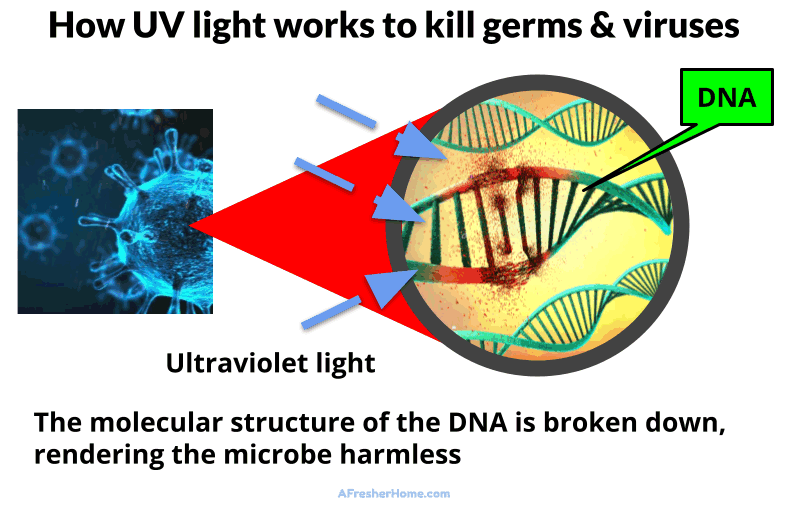
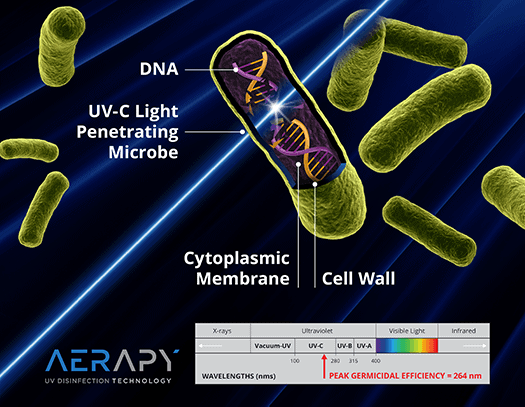
Imagine a bacteria cell as a tiny balloon. Inside that balloon, it has DNA—its instruction manual. UV light is like a super-powered laser beam that zaps that manual.
When UV hits the DNA, it creates a knot. A little thimble-shaped lump called a thymine dimer. The bacteria’s DNA gets tangled up like headphones in a pocket.
Now the bacteria can’t replicate. It can’t eat. It can’t do anything. It’s dead within seconds. Literally fried from the inside out.
Funny Fact: Bacteria Are Blind to the Danger
Bacteria are tiny, dumb organisms. They have no eyes, no brains. They don’t know a UV lamp is coming for them. They just go about their day, splitting and multiplying, until zap—poof.
Actually, some bacteria do have a survival trick. They can repair small UV damage using enzymes. But UV-C is so brutal, it overwhelms their repair kit. No time to fix the holes in the boat.
Why UV Is Better Than Bleach
Bleach smells like a swimming pool and kills everything—including your sinuses. UV is odorless and leaves zero chemical residue. Plus, you can aim it at a phone screen without melting it.
 How Does Uv Light Kill Bacteria | Gas Furnace
UV doesn’t care about antibiotic resistance either. Bacteria can evolve to dodge drugs. But UV? It attacks their DNA. There’s no hiding from a light beam that breaks your genetic code.
It’s like trying to dodge a sunbeam with a shield—good luck.
Quirky Things You Didn’t Know UV Kills
Ever worry about your sponge? It’s a bacteria hotel. A UV box can nuke 99.9% of those guests in minutes. Even the ones that smell like wet dog.
Some people use UV to disinfect their guitar picks. Or their makeup brushes. Yes, that eyeshadow palette? You bet it’s a petri dish.
In hospitals, UV robots roll around empty rooms. They blast everything from MRSA to Clostridium difficile (a bacteria with a name that sounds like a spell from Harry Potter).
The One Catch: It Has to Hit the Bug Directly
UV is a line-of-sight killer. If a bacteria hides behind a dust speck or under a stain, it’s safe. That’s why you need a strong lamp and a clean surface.
You can’t just wave a UV wand at a dirty dish. The light won’t reach the bacteria inside a crack. You’ll just make the dish slightly less germy. Disappointing, right?
But when used properly—like in water purification or air filters—UV is insanely effective. It’s the James Bond of disinfection: quick, clean, and invisible.
 How Does Uv Light Kill Bacteria | Gas Furnace
Wait, Is It Safe for Humans?
Here’s the tricky part. UV-C can damage your skin and eyes. That’s why you never stare at a UV lamp. It’s like sunburn on steroids, but faster.
You know that tanning salon smell? That’s UV damage. So leave the UV wands for your phone, not your face. Common sense, people.
Most UV devices have safety switches. They turn off if you tip them over. Clever engineering for clumsy humans—and a good reason to read the manual.
The Coolest Part: UV Makes Water Drinkable
In developing countries, people use solar UV to purify water. They put clear bottles in the sun for 6 hours. The UV rays sterilize the water. No boiling. No chemicals. Just sunlight and patience.
You can buy a UV water bottle for hiking. Stick it in a stream, press a button, and bam—safe water. It’s like having a personal sun in your pocket.
That’s the wildest thing: light that you can’t see, killing things you can’t see. And it’s been doing it since the dawn of time.
One Last Quirky Fact
UV is used to age whiskey faster. Seriously. Distillers beam UV at barrels in a fraction of the time. It mimics years of aging. So the same light that kills germs also improves your bourbon.
Bacteria die, but your taste buds win. That’s the kind of science I can get behind.
So next time you see a blue light in a water bottle or a hospital robot, give it a nod. It’s the silent assassin of the microbe world. Invisible, ruthless, and surprisingly fun to talk about.
