How Does Uv Kill Microbes

Let’s be honest—germs are a buzzkill. They lurk on doorknobs, your phone, and even that “clean” sponge in your sink. But guess what? We have a secret weapon straight from the...

Let’s be honest—germs are a buzzkill. They lurk on doorknobs, your phone, and even that “clean” sponge in your sink. But guess what? We have a secret weapon straight from the sun itself: UV light. And it’s not just for getting a tan—it’s a tiny, invisible superhero that zaps microbes into oblivion.
So, How Does UV Actually Kill a Germ?
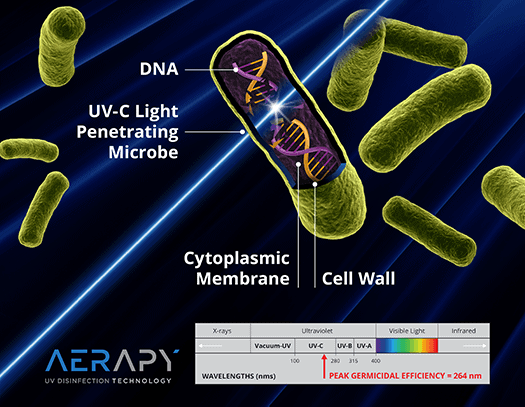
Picture a microbe as a tiny, uninvited party guest. UV light is the bouncer that shows up and wrecks its DNA. Specifically, the UV-C wavelength (the strongest of the three types) has just the right energy to punch through the microbe’s outer shell.
Once inside, the light messes with the germ’s genetic code—think of it as scrambling the instruction manual for life. Without a working manual, the microbe can’t reproduce or cause infections. Poof—it’s essentially dead on arrival.
Must Read
Why Aren’t We All Walking Around with UV Flashlights?
Great question! Not all UV light is created equal. The friendly UV-A and UV-B from the sun? They give you a sunburn, not a microbe massacre. You need UV-C—the kind that’s mostly blocked by Earth’s ozone layer—to do the dirty work.
That’s why we’ve built special UV-C lamps and devices. Hospitals use them to sterilize rooms, water treatment plants clean drinking water with them, and some fancy phone sanitizers tuck your device in for a UV spa day. It’s science, but it also feels a little bit like magic.
But Wait—Is UV Safe for Humans?
Here’s the not-so-fun part: UV-C is a germ’s worst nightmare, but it’s not a friend to your skin or eyes. Direct exposure can cause burns or damage your retina. That’s why you’ll see people using UV sanitizers with automatic shut-offs or inside closed boxes.
 What Does UV Light Do In An Air Purifier? The Facts You Need
Think of it like a cleaning ninja: invisible, effective, but best left to do its job when you’re not in the room. Don’t stare into the lamp, folks—trust me, your retinas will thank you.
Who Knew Microbe Death Could Be So Fun?
This knowledge turns everyday life into a game. Why wipe down your phone with a chemical spray when you can pop it into a UV sanitizer? Watch it glow, and imagine a tiny lightstorm obliterating last night’s pizza fingerprints and flu viruses. Booyah.
Even better, UV-C can be used to clean hard-to-reach spots—like the inside of your toothbrush holder or your reusable water bottle’s lid. It feels like giving your stuff a bath of sunshine, minus the water and mildew.
 How Does Uv Light Kill Bacteria | Gas Furnace
Science That Makes You Feel Like a Superhero
Here’s the uplifting truth: understanding how UV kills microbes means you’ve got an extra tool in your health toolbox. You don’t have to fear germs—you just need to know when to let the light do its thing. It’s physics, biology, and a little bit of theater, all rolled into one.
And here’s the best part: this technology keeps getting cleverer. Portable wands, UV-C robots that cruise hospital hallways, even self-cleaning water bottles—the future is bright, and it’s disinfecting everything. So the next time you see a UV device, smile. You’re not just cleaning—you’re assembling light into a tiny army against microscopic chaos.
Go ahead—embrace the glow. Learn a little more, poke around the science, and maybe treat yourself to a UV sanitizer. You’ll feel like a mad scientist with a PhD in fun health hacks. And remember: every time you zap a germ, you’re making the world a slightly cleaner, safer, and more awesome place. Now shine on, you brilliant human.
