What Is Chlorine In Water

So, picture this: It’s a hot summer day, and you’re at a public pool. You take a running leap, splash into the water, and immediately get a whiff of that distinct smell. You k...
So, picture this: It’s a hot summer day, and you’re at a public pool. You take a running leap, splash into the water, and immediately get a whiff of that distinct smell. You know the one—the “pool smell.” Your first thought? “Ah, chlorine. They must have dumped a ton of it in here to keep things clean.” Well, hold that thought, because you’re about to get the full, slightly ironic truth about what chlorine actually does in your water.
That smell? It’s not chlorine itself. In fact, pure chlorine is almost odorless. What you’re smelling is a chemical reaction between the chlorine and, brace yourself, sweat, urine, and body oils from swimmers. Yeah, gross, but that’s the honest, funny truth. So the next time you take a deep breath at the pool, you’re basically smelling other people’s biological leftovers. You’re welcome for that mental image.
So, What Exactly Is Chlorine?
Chlorine is a chemical element—a pale green gas in its natural state. Think of it as the neighborhood’s overzealous security guard for your drinking water. Its job? To kill bacteria, viruses, and parasites that could make you seriously sick. It’s been doing this job for over a century, and honestly, it’s saved millions of lives from cholera and typhoid.
Must Read
But here’s the kicker: It’s also a powerful oxidizer. That means it doesn’t just wave at germs—it literally rips their cell walls apart. Imagine a tiny, violent bouncer at a nightclub, except the club is your water glass. And you’re about to drink the aftermath. Fun, right?
Why Is Chlorine in My Tap Water?
Because nature is dirty. That pristine-looking river water? It’s full of microscopic critters. Your local water treatment plant adds chlorine as a disinfectant to make sure you don’t get a side of E. coli with your morning coffee. It’s a necessary evil, like eating vegetables or wearing seatbelts.
But here’s where it gets ironic: Chlorine doesn’t just kill the bad germs. It also reacts with organic matter in the water (like dead leaves or dirt) to form disinfection byproducts (DBPs). You know what DBPs are? They’re compounds that might be linked to health risks like cancer if you chug them for decades. So the thing that saves you from one risk creates another. Classic water-world dilemma.
 Swimming Pool Chlorine: 101
But Isn’t Chlorine Dangerous?
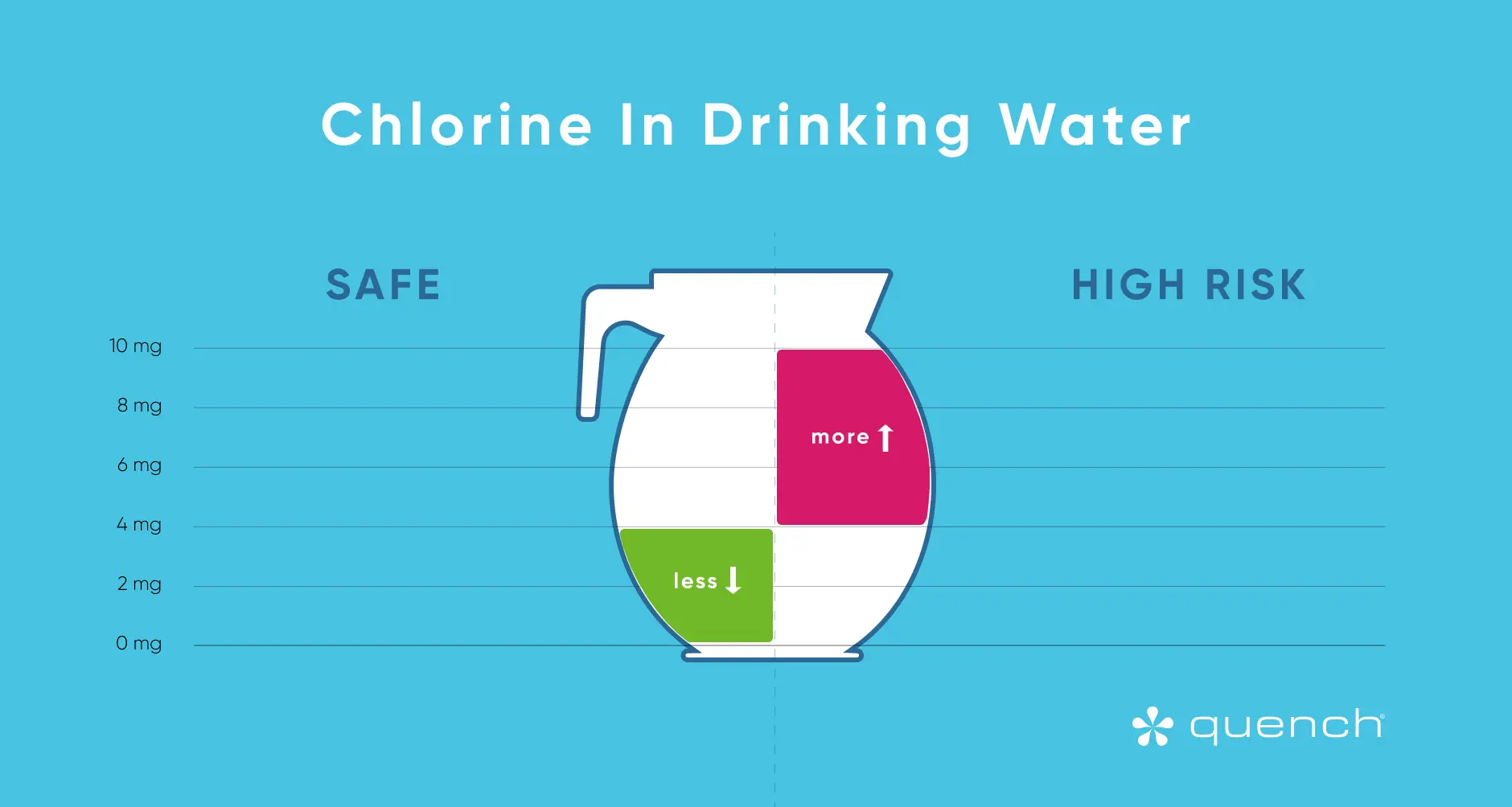
Yes, if you drink it straight from the industrial drum—please don’t. But in the tiny amounts added to water (typically 0.5 to 4 parts per million), it’s considered safe by the WHO and the EPA. Think of it like this: A little bit of salt makes soup taste better; a whole bucket of salt will kill you. Context matters, folks.
Still, some people freak out about the taste or smell. If you’re one of them—I see you—you can let your tap water sit in the fridge for an hour. The chlorine will evaporate into the air. Or, get a basic carbon filter. Problem solved.
The “Pool” vs. “Tap” Confusion
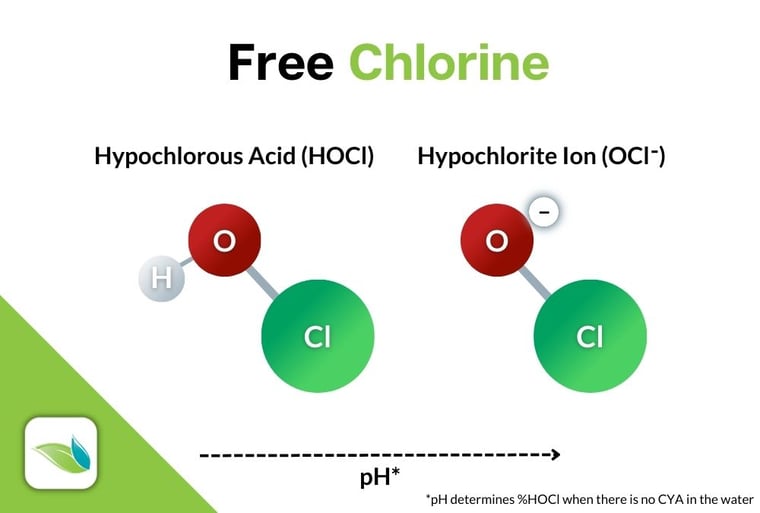
Here’s a common mix-up: People think pool chlorine is the same as tap water chlorine. Nope. Pools use stabilized chlorine (like calcium hypochlorite) that lasts longer and holds up to sunlight. Your tap water uses free chlorine or chloramine (a mix of chlorine and ammonia) because it’s gentler on pipes and lasts longer in distribution systems. Chloramine smells less, too, which is why many cities switched to it. But it’s still chlorine’s weird cousin.
 Water Chlorination vs Reverse Osmosis - Carewater Solutions
So, Should I Be Scared?
Honestly? No. The risk of skipping chlorination is far worse than the risk of drinking it. History proves it—before chlorination, waterborne diseases killed millions. Today, your tap water is safer than most bottled water (which often also contains chlorine, by the way). So take a deep breath—metaphorically, not at the pool—and appreciate the chemical bouncer in your glass.
Yet, I get it. There’s a part of you that feels weird about intentionally drinking a disinfectant. Me too, to be honest. That’s why I use a countertop filter. But I also don’t lose sleep over it. Because the alternative? Raw, untreated water from a ditch? No thanks.
So the next time you smell that “pool smell,” just remember: It’s not pure chlorine. It’s the chemical aftermath of human grossness meeting a very efficient gas. And your tap water? It’s just chlorine doing its job—keeping you alive while you complain about the taste. Salute the chlorine. It’s the unsung, slightly ironic hero of modern life.
