What Is Good Ph For Water

Let’s talk about water. Not just any water, but the perfect water. You know, the kind that makes your coffee taste like a hug and your skin feel like silk. It all comes down t...
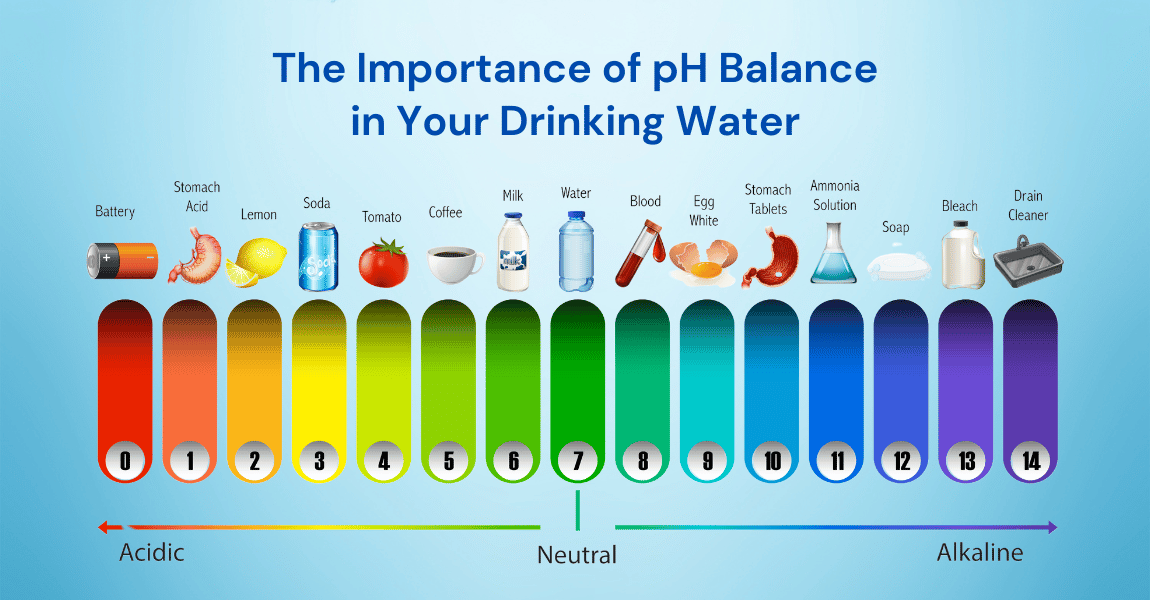
Let’s talk about water. Not just any water, but the perfect water. You know, the kind that makes your coffee taste like a hug and your skin feel like silk. It all comes down to one tiny number: pH.
pH is a scale from 0 to 14. Think of it as a mood ring for liquids. Acidic stuff (like lemon juice) hangs out near 0. Super alkaline stuff (like bleach) lives near 14. Your tap water? It’s usually a boring, happy 7—neutral.
But “good” pH for water isn’t a fixed rule. It’s a range, and it depends on what you’re doing with it. Are you drinking it? Watering your prize-winning petunias? Or filling up your fancy fish tank? Let’s dive in.
Must Read
Drinking Water: The Goldilocks Zone
For your belly, the sweet spot is between 6.5 and 8.5. That’s what the EPA says is safe. Most tap water lands right in this cozy range. Your stomach acid is already a blazing 1.5 to 3.5 on the pH scale—so a slightly alkaline water won’t save you from a bad burrito.
Quirky fact: Some brands sell “alkaline water” with a pH of 8 or 9. They claim it makes you more hydrated or less acidic. Science says: meh. Your body’s pH is a tightly controlled bouncer—it doesn’t let a glass of fancy water crash the party.
But that doesn’t stop people from buying it! It’s like paying extra for a unicorn sticker on your car. Fun? Yes. Life-changing? Not really.
Your Fish Are pH Snobs
If you have a fish tank, you’re suddenly a water chemist. Fish are brutal critics of pH. Most tropical fish like a pH of 6.5 to 7.5. But oh, the drama! A discus fish wants 6.0. A cichlid screams for 8.0. Get it wrong, and your fish will sulk—or worse, float belly-up.
Funny detail: I once tested my friend’s tank water. It was a 5.0—acidic enough to make a battery nervous. Her fish were doing backflips (literally, gasping). She thought they were just being quirky. Nope. They were begging for a pH buffer.
So, if you’re a fish parent, buy a test kit. Your finned friends will thank you with dramatic tail wags.
 Ph Levels In Drinking Water | Drinking Water Ph Levels – YZFTE
Plants: The Drama Queens of pH
Gardeners, listen up. Your plants are picky. Most vegetables love a pH of 6.0 to 7.0. But blueberries? They demand 4.5 to 5.5—super acidic dirt. Potatoes? They’re chill at 5.0 to 6.0. It’s like a dinner party where every guest orders a different chemical entrée.
Here’s the kicker: wrong pH means plants can’t absorb nutrients. They starve, even if you dump fertilizer on them. It’s like handing a starving man a menu in ancient Greek. He can see the food, but he can’t eat it.
Solution? Test your soil pH. Add lime to raise it, or sulfur to lower it. Your tomatoes will reward you with fruit that tastes like summer itself.
The Weird World of Extreme pH
Let’s get absurd. Did you know there’s natural water with a pH of 11? That’s alkaline enough to feel slippery, like soap. It’s found in some hot springs in Mexico. People claim it heals everything. Science says: be careful not to drink the giant cup.
On the flip side, the 7UP drink? Its name came from a pH above 7 (alkaline) when it was invented in 1929. Modern 7UP is actually acidic (around 3.5), thanks to citric acid. So the name is a liar. Delicious, fizzy liar.
Even your swimming pool is a pH diva. Ideal pool water is 7.2 to 7.8. Too high? Your eyes burn. Too low? The metal ladders corrode. It’s a chemical tightrope walk, and you’re the clown trying not to fall in.
 Drinking Water Ph
Why Should You Care About pH?
Because water connects everything. The rain that falls on your roof, the coffee you brew, the river where otters play—they all have a pH story. It’s like a secret handshake between chemistry and life.
Quirky fact: The Great Lakes have a pH of about 8.2. That’s slightly alkaline. All that dissolved limestone keeps it steady. Move to a lake in the Adirondacks? pH might drop to 5.0 from acid rain. Suddenly, frogs get confused and fish vanish.
So, what’s good pH for water? It’s whatever makes your world work. For you, that’s 6.5-8.5. For your orchid, it’s 5.5. For your koi pond, it’s 7.0. Don’t overthink it—but don’t ignore it either.
Your Takeaway (No Pressure)
You don’t need a lab coat to play with pH. Grab a test strip from the pet store. Dip it in your tap water. Watch the color change. It’s like a tiny Rainbow Road for nerds.
And remember: water is a shapeshifter. It can be acidic, alkaline, or perfectly neutral. The good pH is the one that fits your personal circus. So go ahead—test your tap, shock your plants, or just drink a glass of boring 7.0 and smile.
Water is weird. Water is wild. And now you’re in on the joke. Cheers to pH—the universe’s favorite mood ring.
