What Is Sulfur Smell Like

Let’s be honest: when you hear the word “sulfur,” your nose probably wrinkles. You think of rotten eggs, burnt matches, and that ominous smell near volcanic vents. But hold on...

Let’s be honest: when you hear the word “sulfur,” your nose probably wrinkles. You think of rotten eggs, burnt matches, and that ominous smell near volcanic vents. But hold on—this stinky superstar is actually one of the most fascinating scents on the planet. And once you understand its story, you might just start sniffing the world a little differently.
The Classic “Rotten Egg” Vibe
That infamous sulfur smell is actually hydrogen sulfide gas. It’s nature’s way of saying, “Hey, something organic is breaking down here!” Think of a marsh on a warm summer day, or that time you forgot an egg salad sandwich in your gym bag. Pungent? Yes. But also a sign that life is recycling itself—pretty profound for a stink, right?
Interestingly, your nose is incredibly sensitive to this smell. You can detect tiny amounts, way below dangerous levels. It’s like your body’s built-in early warning system, which is both smart and a little annoying when the egg carton goes bad.
Must Read
Beyond the Stink: Surprising Sources
Here’s where it gets fun. Sulfur isn’t just a villain. It’s hiding in places you love. Garlic and onions? Yep, their punchy aroma comes from sulfur compounds. When you chop a garlic clove, you’re releasing a chemical that smells sharp and delicious—and also a tiny bit like… well, swamp gas. Don’t let that ruin your next pasta sauce!
Even the smell of freshly struck matches is a sulfur treat. That tiny “poof” of light? It ignites a bit of sulfur, creating a scent we associate with campfires and cozy nights. Our brains have learned to enjoy it in safe doses. See? Context is everything.
Why It Makes Life More Fun
Think about wine tasting. A good sommelier will tell you that certain white wines have a “sulfur” note—and it’s not a flaw. It adds complexity, like a tiny spark of electricity in your glass. Suddenly, you’re not just sipping; you’re playing detective with your nose!
 Water Smells Like Sulfur and Rotten Eggs: Problem, Cause & Solution
Or consider the magic of natural hot springs. You know that unmistakable “rotten egg” smell near geysers and pools? That’s sulfur bubbling up from deep within the Earth. People travel thousands of miles to soak in those steamy waters. They claim it heals skin, soothes joints, and relaxes the soul. The smell? A badge of authenticity.
And let’s not forget fireworks. The crackle and boom? Partly sulfur-driven. That acrid scent after a July 4th show? Pure nostalgia.
How to Befriend the Smell
Next time you catch a whiff of sulfur, I dare you to pause. Instead of scrunching your nose, ask yourself: What story is this smell telling? Is it a carton of outdated eggs (time to toss), a spicy salsa (bon appetit), or a geothermal wonderland (you’re lucky)?
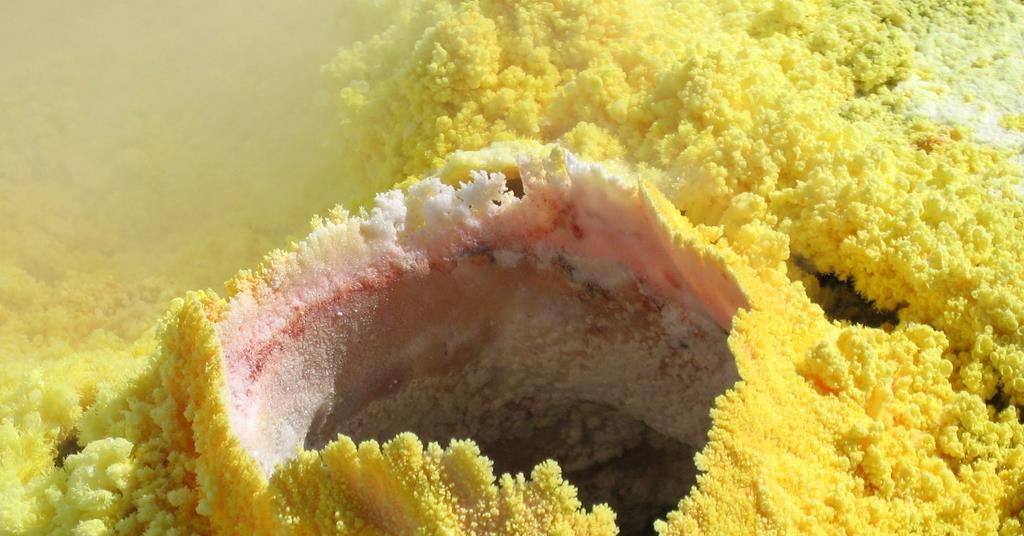 Sulfur | Podcast | Chemistry World
Your brain can actually train itself to find certain sulfur smells pleasant. It’s called olfactory habituation, and it’s why garlic lovers barely notice their own breath. You can become a sulfur connoisseur—just start with a gentle curiosity.
An Uplifting Finale
Here’s the inspiring truth: sulfur smell is a reminder that beauty often hides in the unlikeliest packages. The most powerful flavors, the most healing waters, the most spectacular fireworks—they all share a little bit of that “stink.” Life is full of these humble ingredients that, when understood, become sources of joy.
So go ahead, take a deep breath the next time you smell a match, a hot spring, or a garlicky dish. That sniff is your brain learning a new secret of the universe. And honestly, isn’t that the whole point of having a nose? Stay curious, stay playful, and let the stink lead you to wonder.
