What Is Hardness In Water

Picture this: you’re in your best friend’s kitchen, and she’s proudly showing off her new set of crystal-clear glasses. She pours you a glass of water, but something looks off...

Picture this: you’re in your best friend’s kitchen, and she’s proudly showing off her new set of crystal-clear glasses. She pours you a glass of water, but something looks off—there are weird, milky-white flakes floating around. “It’s fine,” she sighs, “my tap water just does this sometimes.” You take a sip, and it tastes… chalky. Welcome to the wild world of hard water.
That chalky taste? That’s your first clue. Hardness in water is basically a measure of how much calcium and magnesium it’s carrying around. Think of it as water’s mineral baggage—some water travels light, some goes full-on tourist with a suitcase full of rocks. And guess what? That mineral luggage is why your tea leaves a weird film on top.
Here’s the geeky bit: water picks up these minerals as it flows through soil and rock, especially limestone and chalk. It’s like the water is foraging for flavor, but instead of chocolate, it grabs calcium carbonate. Hard water is just mineral-rich water. Soft water, on the other hand, is the minimalist—low in those minerals, and usually more… well, slippery when you lather up.
Must Read
So, why should you care?
Because hard water is a sneaky saboteur. Ever notice how your soap doesn’t foam like in the shampoo commercials? That’s the calcium reacting with the soap to create that scummy “soap curd.” It’s why your shower feels like you’re rubbing a chalkboard, not your skin. And those white spots on your dishes after the dishwasher? Same culprit.
Your appliances are suffering in silence, too. Hard water deposits, or scale, build up inside your coffee maker, kettle, and water heater. It’s like plaque for machines—and it can shorten their lifespan by years. Your poor coffee maker is basically choking on limestone every time you brew. Ouch.
But… is it dangerous?
Relax, you’re not going to turn into a stalactite. Hard water is not a health risk—in fact, you get some bonus calcium and magnesium in your diet. But if you’re prone to eczema, the minerals can dry out your skin and make it itch like crazy. And your hair? It can get that crunchy, straw-like texture. Not cute.
 What Is Hardness In Drinking Water
You can spot hard water in your life with a simple test: check your showerhead. If it’s crusty like a fossilized sea creature, you’ve got it. Or, fill a clear bottle halfway with tap water, add a few drops of liquid soap, and shake. If the water stays cloudy and doesn’t produce lots of suds, congratulations—you’re living with hard water.
The two types of hardness: temporary vs. permanent
Because nothing in life is simple, water hardness comes in two flavors. Temporary hardness is caused by calcium and magnesium bicarbonates, and you can fix it by boiling the water—the minerals literally precipitate out as that white crust in your kettle. That’s the “good” kind, sort of. Permanent hardness sticks around no matter how hot you get, because it’s caused by sulfates and chlorides. Boiling won’t help—you’ll need a water softener or a filter. Classic.
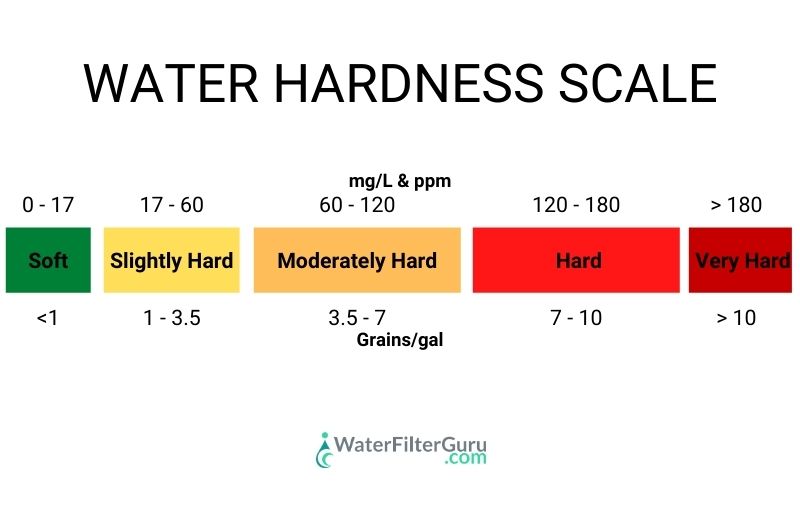
So how do you measure it? Hardness is usually reported in grains per gallon (gpg) or milligrams per liter (mg/L). Anything over 7 grains per gallon is considered “hard,” and above 10.5 is “very hard.” For reference, 0 to 3 gpg is soft—like that mountain spring water you pay a fortune for. Above that, you’re basically drinking mineral tea.
 Hardness
What can you do about it?
If you’re tired of the battle, water softeners are the big guns. They swap out calcium and magnesium for sodium or potassium. Yes, your water gets a tiny salt boost, but not enough to taste it. For a less drastic fix, try a showerhead filter or a pitcher with a descaling insert. And please, descale your kettle with vinegar once a month—your future morning coffee will thank you.
And here’s a pro tip: if your water is very hard, don’t use too much laundry detergent. You’ll just create a soap-scum mess that makes your clothes look dingy—yes, the minerals bind with the detergent. Use less soap, or better yet, get a detergent made for hard water. Your washing machine will stop screaming.
In the end, hard water isn’t a villain—it’s just water that’s been on a mineral road trip. It’s annoying, yes, but mostly harmless. So next time you see that weird film on your tea or those ghostly spots on your wine glass, just shrug and say, “It’s the limestone, honey.” Welcome to the club.
