How To Check Tds Of Water

Okay, so you’ve heard about TDS—total dissolved solids—and you’re wondering if your tap water is secretly a science experiment. Maybe your tea tastes funny, or your kettle has...
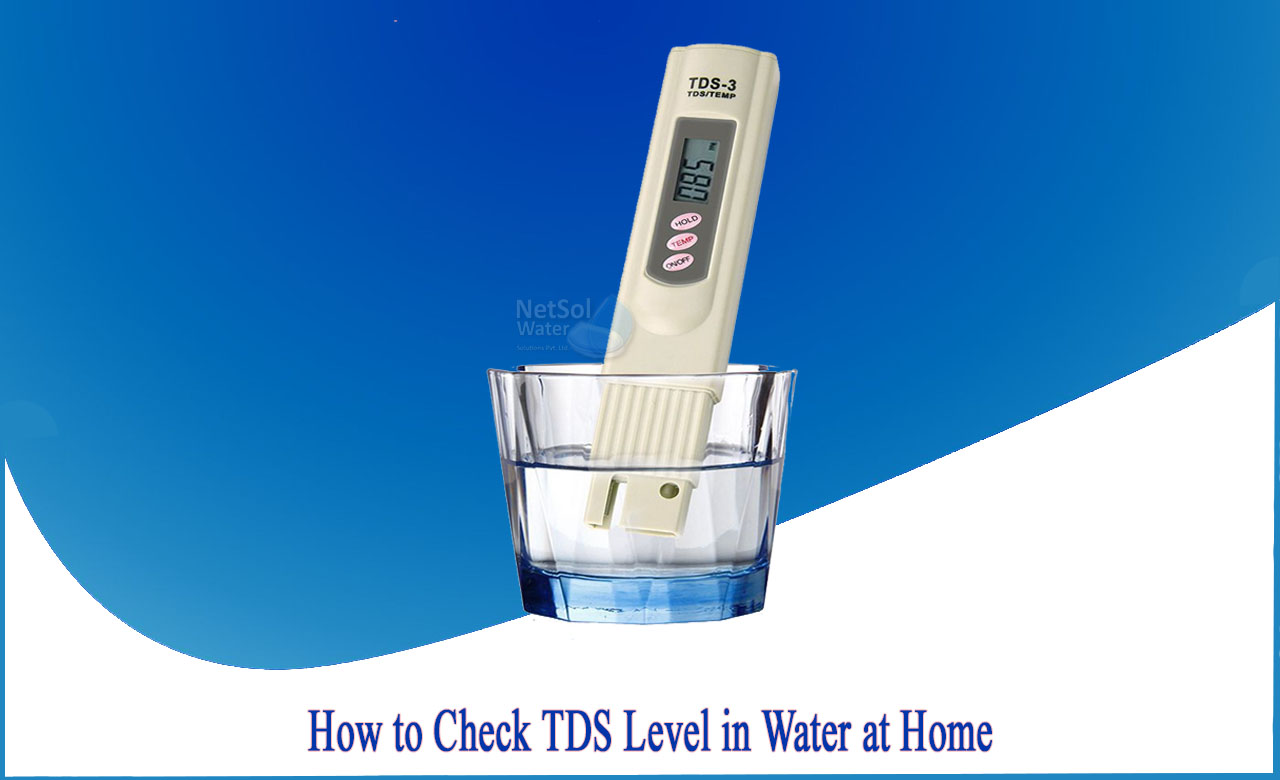
Okay, so you’ve heard about TDS—total dissolved solids—and you’re wondering if your tap water is secretly a science experiment. Maybe your tea tastes funny, or your kettle has crusty white stuff that looks like a miniature mountain range. Time to check it out.
First, what even is TDS? It’s all the minerals, salts, and organic stuff floating in your water. Think calcium, magnesium, sodium, and sometimes things you’d rather not know about. Not a dirtiness test, but a total-mineral-load test.
You don’t need a lab coat or a chemistry degree. Just a little gadget called a TDS meter. They’re cheap, usually under $20 on Amazon or at a hardware store. And they look like a chunky pen—so you can feel extra scientific while sipping your coffee.
Must Read
Step One: Get the Gadget
Buy a TDS meter. Seriously, it’s the easiest way. Most are digital, with a tiny screen and a metal probe. Make sure it’s calibrated—some come pre-calibrated, but check the manual because nobody likes a liar meter.
If you’re feeling ultra DIY, you could use a conductivity sensor and a calculator. But why? Just buy the pen. Your time is worth the $15.
Step Two: Fill a Clean Cup
Grab a glass or a cup—no need to be fancy. Rinse it with the same water you’re testing, because leftover dish soap will mess up your results. (Unless you want to know your water’s soap content, which is weird.)
Fill it about halfway with the water you want to check—tap, filtered, bottled, or rain collected in a bucket. Pro tip: use cold water. Hot water can give you a higher reading because heat makes minerals dissolve more.
Step Three: Dip and Wait
Turn on the TDS meter. You might see a little blinking zero or a previous reading. Dip the probe into the water—don’t go past the immersion line (usually marked on the pen). Stir it gently to release air bubbles.
 How To Measure Tds In Drinking Water - Printable Free Templates
Now wait. Count to ten like you’re in a slow-motion movie. The number will stabilize. That’s your TDS, measured in parts per million (ppm). Write it down if you’re a nerd. (I would.)
Step Four: Read the Magic Number
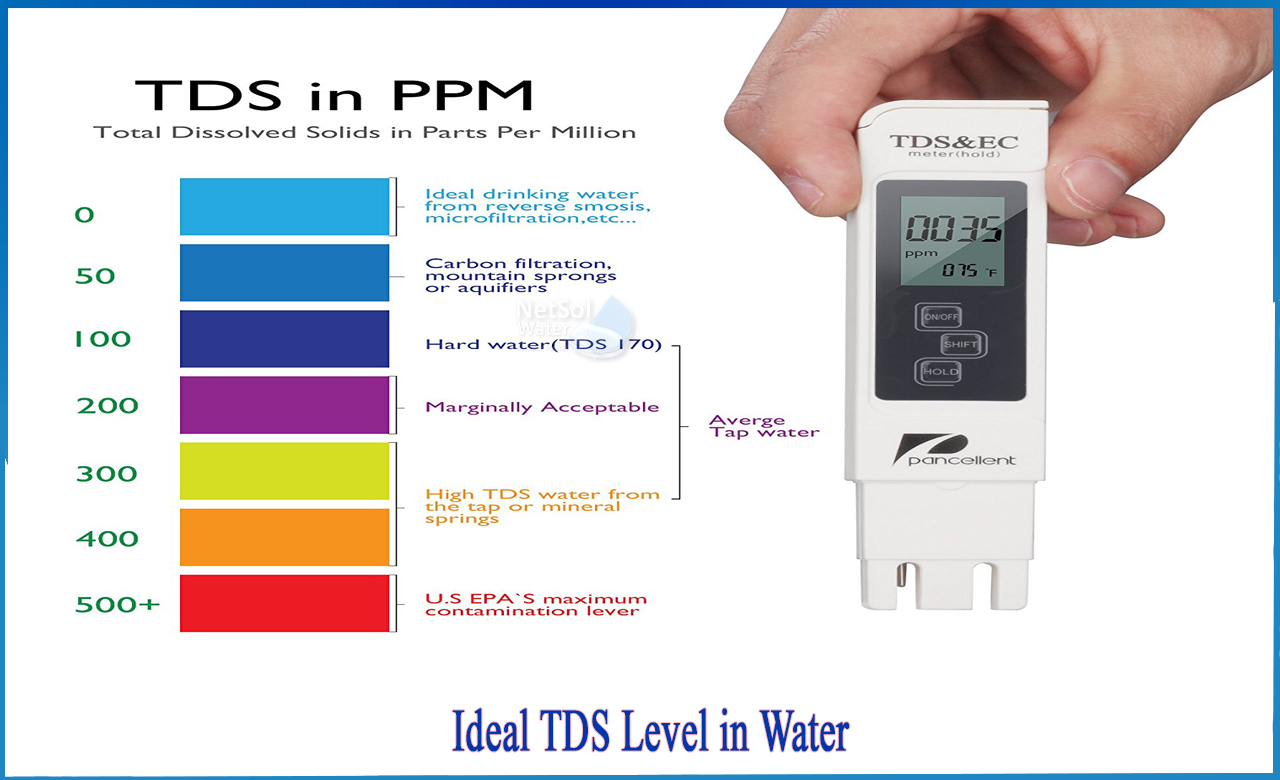
So you’ve got a number. What does it mean? Less than 50 ppm is like drinking clouds—very pure, often distilled or reverse osmosis water. Great for coffee machines, boring for flavor.
Between 50 and 150 ppm? That’s sweet spot for most tap waters. It has enough minerals to taste good but not so many that your pipes get sad. 300 ppm and above is hard water—hello, calcium buildup and weird soap scum. Your kettle hates you.
Over 500 ppm? That’s bordering on “don’t drink it” territory, unless you like the crunch. Check your source. Some bottled spring water can be 300–400 ppm, and that’s fine—but if it’s your tap, maybe get a filter.
What If I Don’t Have a Meter?
No meter? No problem. Try the “shake test”: fill a clear bottle halfway with water, add a drop of soap, and shake. If it bubbles up easily, you have soft water. If it barely foams and looks sad, your water’s hard—high TDS. Not exact, but fun.
You could also send a sample to a lab. But honestly, that’s like hiring a detective to check if your milk is expired. Just get the meter.
 Tds Water Meter Chart – What Is A Tds Meter – FPYK
Why This Matters (Besides Being Curious)
High TDS can destroy your appliances—coffeemakers, humidifiers, fish tanks. Your fish will throw tiny fishy tantrums. Low TDS is great for batteries and steam irons, but not great for drinking if you rely on it for minerals.
And here’s the kicker: TDS doesn’t tell you about toxicity. You could have 100 ppm of pure lead—low number, bad water. So don’t use TDS as a health passport. It’s a mineral census, not a safety inspector.
One More Pro Tip: Compare Sources
Test your tap, then test your filtered water. If the number drops dramatically—like from 400 to 20—your filter is working like a champ. High-five your filter. If it doesn’t change, you’re either drinking from a magic spring or your filter is a plastic fraud.
Also, test a store-bought bottle. Some “purified” waters are actually just tap water with a TDS in the 200s. You’ve been played, friend. Check the label next time.
So there you go. Grab a meter, dip it, and flex your new water knowledge. You’ll never look at a glass of water the same way. And when your friends ask how you know your water’s so pure, you can say, “It’s 42 ppm—the answer to life, the universe, and everything.”
Now go test something. Your kettle is waiting.
