How To Test Potable Water

Let’s be real: testing your drinking water sounds about as exciting as watching paint dry. But, like that weird noise your car started making last week, it’s one of those thin...
Let’s be real: testing your drinking water sounds about as exciting as watching paint dry. But, like that weird noise your car started making last week, it’s one of those things you’d rather deal with now than later. You don’t need a lab coat or a degree in chemistry to figure out if your tap water is more "crisp mountain stream" or "swampy sci-fi experiment."
The "Why Bother?" Moment
I once lived in a place where the water tasted like a swimming pool had a bad breakup. Every sip was a tiny reminder of chlorine and regret. Testing it wasn't about being fancy; it was about not flinching every time I filled a glass.
You might be fine, but your water could be secretly hosting a party for things you can't see. Think of it like this: you wouldn't eat a sandwich that looked okay but smelled like a gym sock, so why trust water that looks clear but might be hiding minerals, bacteria, or a traveling circus of heavy metals?
Must Read
The Sniff, Swirl, and Gawk Test (The Free One)
Before you buy anything, just use your face. Fill a clean glass and take a good, hard sniff. If it smells like a wet dog or a science fair volcano, something's up.
Let the water sit for a bit. If you see floaties that look like unhappy snowflakes or a weird oily film, that’s your water telling you it’s having a rough day. Your senses are basically the free, low-tech version of a water inspector.
This won't catch things like lead or pesticide runoff, but it’s the first date. If the date is gross, you skip to the next step.
Bringing Out the Big Guns: Test Kits
You can buy a home water test kit at any hardware store for about the price of a decent pizza. Ignore the fancy boxes promising "99 tests in one." You probably only need the basic one for your tap.
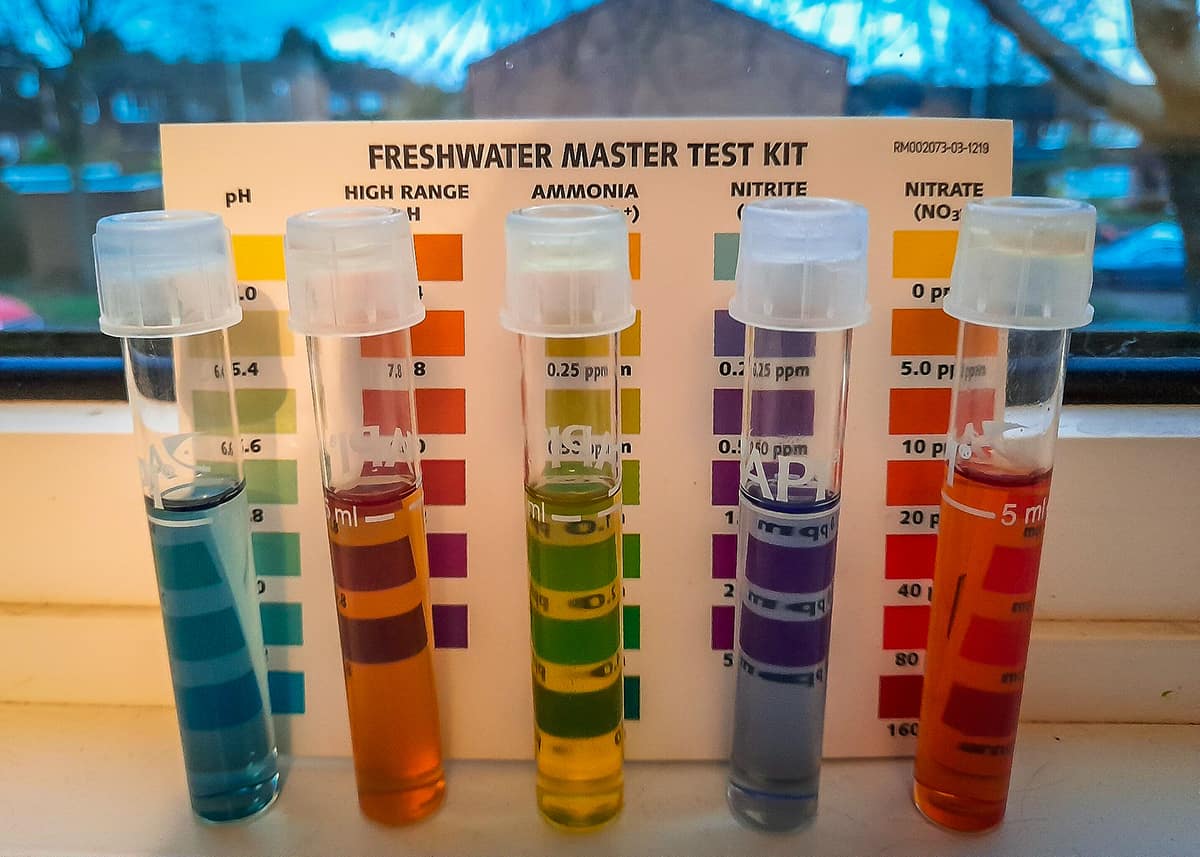
The kits usually come with little plastic strips or vials that change color like a mood ring for water quality. Dip the strip, wait the length of a slow elevator ride, and compare the color to a chart. It’s like solving a mystery, but the clues are pink, blue, and green.
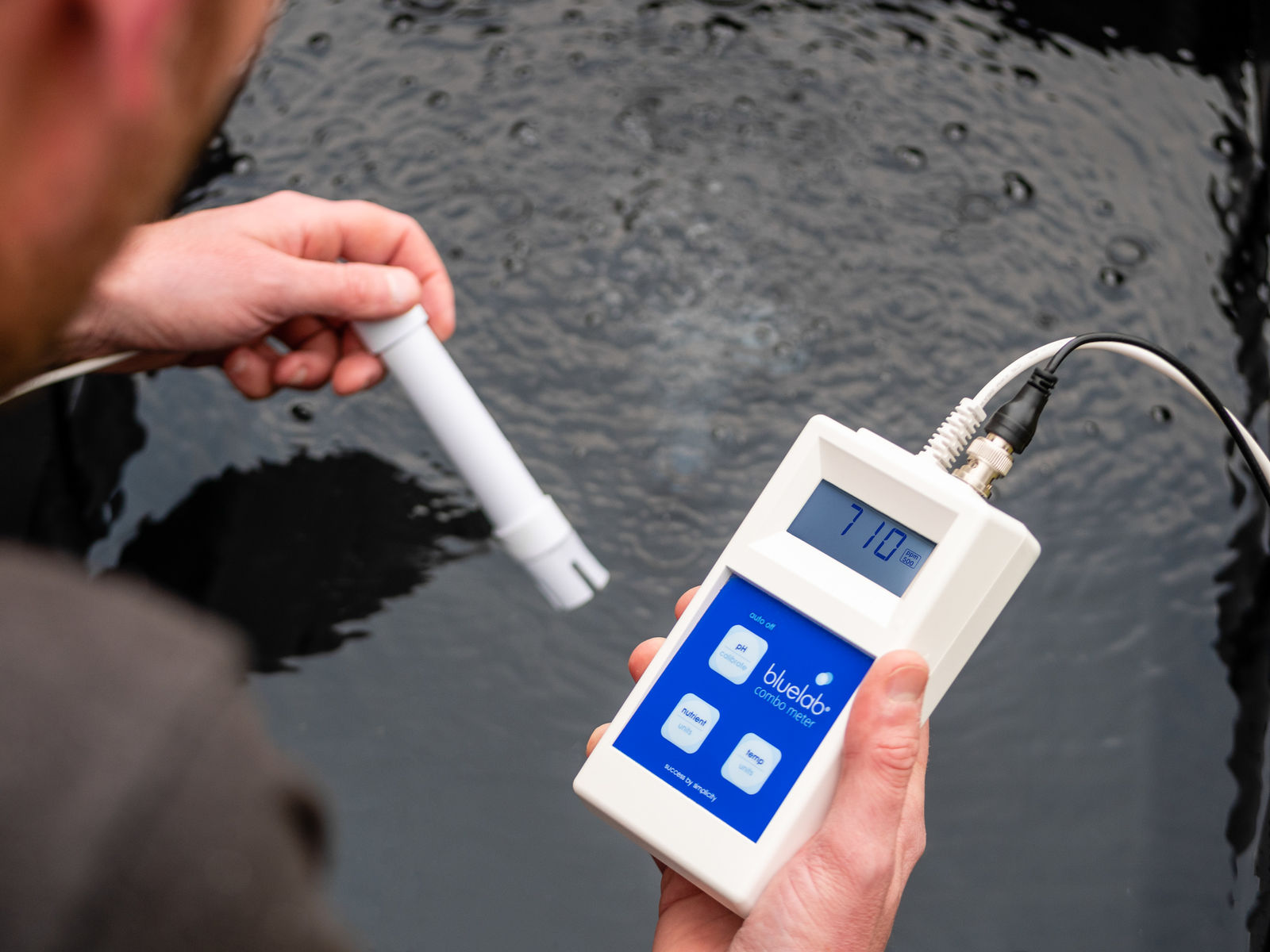 Water Quality Testing Adelaide at Joseph Florence blog
I once tested my well water and discovered it had the personality of a very angry rock. The pH was so high, my coffee tasted like it was fighting back. Fixed it with a simple filter, and suddenly my morning brew was a hug instead of a wrestling match.
Know Your Enemy: What Are You Testing For?
pH level is the big one. Too acidic, and your water might corrode your pipes or taste like a sour candy. Too alkaline, and it might taste like you’re drinking from a chalkboard.
Hardness is about calcium and magnesium. Hard water isn't dangerous, but it'll leave your kettle looking like a snow globe of white crust and make your soap feel useless. It’s the water world’s equivalent of a clingy friend who doesn't take a hint.
You can also test for chlorine, nitrates, and even lead. If you live in an old house with pipes that remember the 1950s, testing for lead isn’t paranoid; it’s common sense. Don’t guess when you can know.
When You Go Full Nerd: The Lab Route
If the home kit gives you a result that makes your eyebrows shoot up, it’s time for the professionals. You can buy a test kit that you mail to a lab. It feels weird to mail your water, like sending a letter to a doctor with a jar of your tears.
But the lab will tell you everything. They’ll break down the mineral composition, find bacteria that home kits miss, and give you a report that looks like an alien languages textbook. It’s the nuclear option, but it’s worth it if you have a private well or if your water tastes like it’s plotting something.
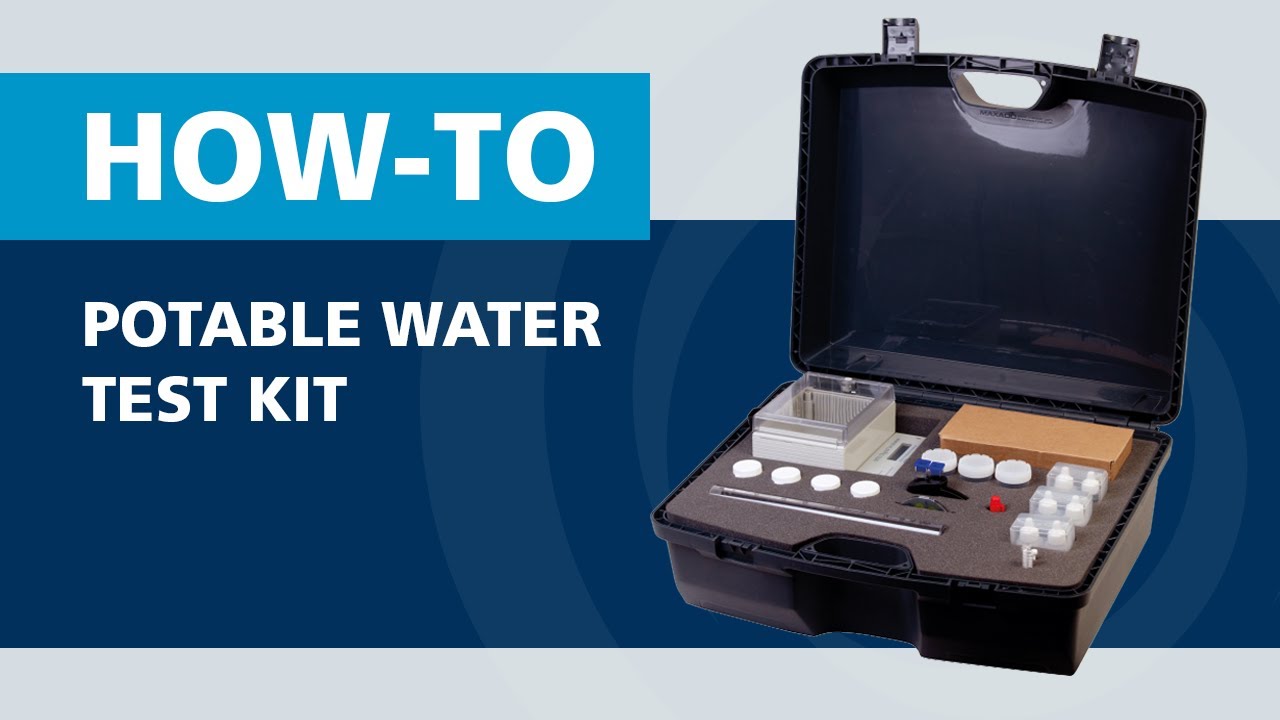 Potable Water Test Kit Price at Todd Briggs blog
I sent a sample once, and the lab confirmed what I suspected: my water was perfectly safe but had the personality of a wet sponge. No problems, just boring. Honestly, boring is the best news you can get.
The "I Just Want Good Coffee" Checklist
Here’s your cheat sheet. First, always test cold water from the tap—not water from the fridge or a bottle. You want the real stuff straight from the source, not the filtered superstar.
Second, test in the morning before anyone has run the sink. Water that sat in your pipes all night is the most honest water you’ll ever get. It’s like catching your house without makeup.
Third, don’t panic if the test shows something weird. Most issues are solved with a simple countertop filter or, if you’re fancy, a whole-house system. You are not alone; your water is just having a bad hair day.
Final Sip of Wisdom
Testing your potable water isn’t about being a germophobe or a clean freak. It’s about taking three minutes to make sure the stuff you’re putting in your body isn’t hiding a secret. Your water should be a quiet helper, not a silent troublemaker.
So grab a test strip, give your tap the sideways look it deserves, and just check. Worst case, you fix a problem you never knew you had. Best case, you realize your water is perfect, and you can go back to ignoring it entirely. And that, my friend, is the definition of a win.
