How To Make Ionised Water

Ever noticed how a waterfall or a thunderstorm makes the air feel electric and fresh? That’s nature’s version of ionization, and we can actually do a similar thing with water...
Ever noticed how a waterfall or a thunderstorm makes the air feel electric and fresh? That’s nature’s version of ionization, and we can actually do a similar thing with water at home. Making ionised water sounds like something out of a sci-fi lab, but it’s surprisingly simple and kind of fascinating.
Let’s be real: most of us just drink water from the tap and don’t think twice about it. But what if your glass of water could be split into two different kinds—one acidic and one alkaline? That’s exactly what ionisation does, and it’s like giving your H₂O a split personality.
What’s the big deal about ionised water?
Think of regular water as a bunch of neutral, lazy molecules just hanging out. When you ionise it, you run an electric current through it, which literally splits the water into charged particles called ions. The result? You get alkaline water on one side, which many people believe is smoother and more hydrating, and acidic water on the other, which can be used for cleaning or even skincare.
Must Read
It’s like having a superhero team-up in your kitchen: one side is your gentle hydrator, the other is your tough cleaner. Cool, right?
Why bother making it yourself?
You could easily buy bottled ionised water, but where’s the fun in that? Making it at home lets you control the pH level and saves you from all that plastic waste. Plus, it’s a great party trick—imagine pulling out a glass of water that you electrified yourself.
It also saves money. Most countertop ionisers pay for themselves after a few months, and you get to feel like a mad scientist every morning. Who wouldn’t want that?
The easiest way to make ionised water (no fancy gadgets required)
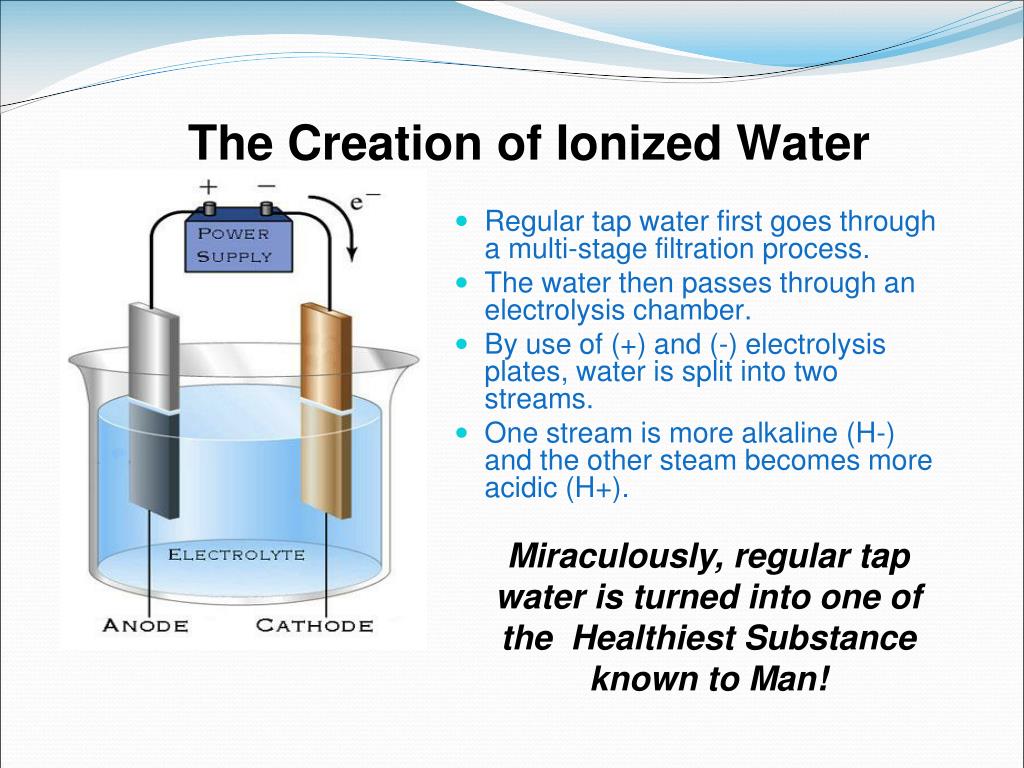
Okay, so you don’t have a $500 water ioniser? No problem. You can actually make a basic version with just a few household items. All you need is a glass of water, two electrodes (like stainless steel or titanium), and a 9-volt battery.
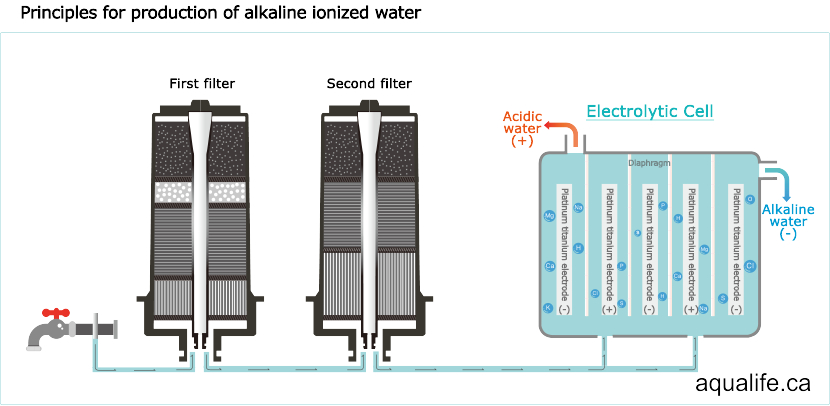 How does a water ionizer work ? | Aqualife
Carefully place one electrode at each end of the glass, connect them to the battery terminals, and let the current run for about 30 seconds to a minute. You’ll see tiny bubbles forming—that’s the water splitting into hydrogen and oxygen ions. The water near the negative terminal becomes alkaline, and the water near the positive terminal becomes acidic.
Important disclaimer: This DIY method isn’t super precise, and you should only drink the water if you’re sure your materials are food-safe. Titanium or platinum-coated electrodes are best; avoid copper or aluminum unless you want a metallic aftertaste.
What about those fancy countertop ionisers?
If you’re the type who loves gadgets, a dedicated water ioniser is the real deal. These plug into your tap and use a process called electrolysis to continuously split the water as it flows through. They’re pricey—anywhere from $200 to $2,000—but they give you consistent results and often include filters.
Think of it like upgrading from a French press to an espresso machine. You can make good coffee either way, but the machine makes it effortless and precise. Same goes for ionised water.
Is it actually good for you? Let’s be real.
Here’s where things get a bit murky. Some claim ionised alkaline water can boost energy, improve digestion, and even slow aging. The science, however, is inconclusive. Your stomach is naturally acidic, so the alkaline water gets neutralised pretty quickly once you drink it.
![Ionized Water: Truth, Benefits & Science-Backed Facts [2025]](https://stayhealthee.com/wp-content/uploads/2025/04/Ionized-Water-Explained-Health-Benefits-You-Should-Know.png) Ionized Water: Truth, Benefits & Science-Backed Facts [2025]
Ionized Water: Truth, Benefits & Science-Backed Facts [2025]
But you know what? It tastes different. Smoother, slightly sweeter, less bitter. For many people, that’s reason enough. And the acidic version is genuinely useful for cleaning produce or balancing your skin’s pH. So even if the health claims are overhyped, it’s still a fun experiment.
A quick word of caution
Don’t go overboard. Drinking only highly alkaline water can mess with your body’s natural pH balance, leading to nausea or muscle twitching. Moderation is key. Stick to water with a pH between 8 and 9.5, and you’ll be fine.
Also, if you have kidney issues or are on medication, check with your doctor first. Your health isn’t worth a science experiment.
The takeaway: just try it
Making ionised water isn’t a magic potion, but it’s a neat way to play with chemistry in your own kitchen. It’s like making lemonade, but instead of lemons, you use electricity.
So grab a battery, a glass of water, and a curious mind. Worst case, you get to sip some interesting-tasting water. Best case, you discover your new favorite way to hydrate. Either way, you’ll never look at a glass of tap water the same way again.
