How To Mix Acid And Water

Hey, you. Yeah, you with the chemistry set and the slightly terrified look. Let’s talk about mixing acid and water. It sounds like the start of a bad superhero origin story,...
Hey, you. Yeah, you with the chemistry set and the slightly terrified look.
Let’s talk about mixing acid and water. It sounds like the start of a bad superhero origin story, right?
But it’s actually a pretty common kitchen-lab thing. I promise you won’t grow a third arm if you do it right.
Must Read
The Golden Rule (No, Really, This is Gold)
Here’s the deal: Always add acid to water. Never the other way around.
I know. It sounds backwards. Like putting on socks before shoes. But trust the chemists on this one.
Why? Because water is a drama queen. When you add water to concentrated acid, it gets hot—like, instantly explode-y hot.
The Science-y Bit (But Keep It Chill)
Acid loves water. Like, really loves it. When they meet, they release a ton of heat.
If you pour water into a tall, skinny container of acid, that heat has nowhere to go. It boils the water, and the acid splashes up like a volcano.
And get this: that splash can burn your face off. Not literally, maybe. But why gamble?
What You’ll Actually Need
Okay, so you’re not making a bomb. You’re probably diluting battery acid or cleaning a cast-iron skillet.
Grab a heat-resistant container. A glass beaker is ideal. A mason jar works in a pinch—just don’t use a thin wine glass.
And wear gloves. And goggles. You know, look like a mad scientist for five minutes. It’s fun.
The Step-by-Step (No Drumroll Needed)
Step one: Measure your water first. Pour it into your container. Room temperature is perfect—cold water can be a bit sluggish, and hot water is a bad idea.
 Lesson 6.10: Carbon Dioxide Can Make a Solution Acidic - American
Step two: Now, slowly, slowly, pour the acid into the water. Don’t dump it. Think “gentle stream,” not “fire hose.”
Step three: Swirl it gently. Stir with a glass rod or a plastic spoon. Never metal—it’s like inviting a fight.
You’ll feel the container get warm. That’s normal. That’s the acid saying “hello” to its new watery home.
What Happens If You Do It Backwards?
Let’s paint a picture. You’ve got a cup of concentrated acid. You pour water into it.
The first drop hits the surface and instantly boils. That creates a little steam bubble full of acid vapor. Then the next drop does the same. Then—pop—the whole thing erupts.
You get a face full of acidic mist. Your shirt gets polka-dotted with burn holes. You learn a lesson the hard way.
So don’t do that. Please. I like your face.
Common Mix-Ups (And How to Avoid Them)
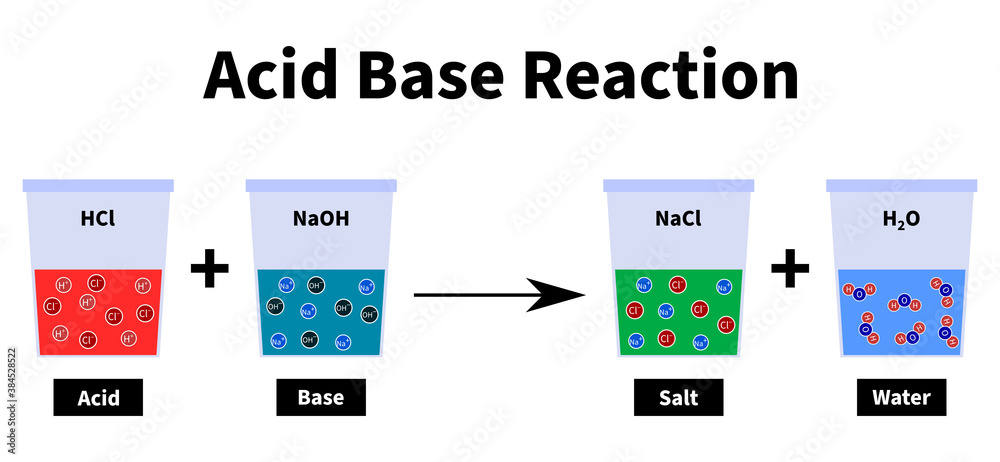
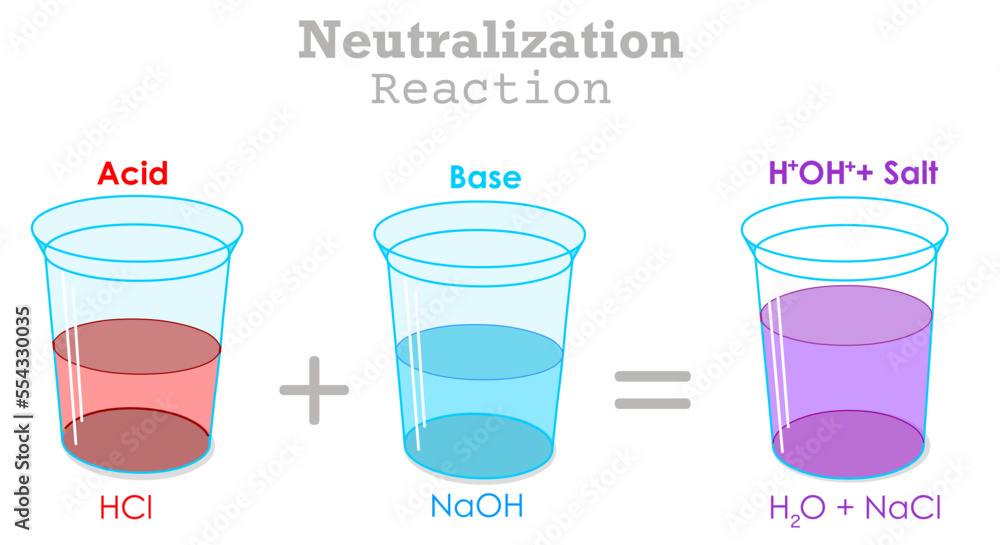
People confuse “acid to water” with “acid to base.” That’s a whole other beast. Don’t mix those unless you’re ready for a neutralization rave.
Also, don’t use hot water to dilute acid. It’s like adding gasoline to a campfire. The heat release is way too fast.
And for the love of all that is holy, never add acid to a closed container. Pressure builds up. Science says “boom.”
 Vetor de Neutralization reaction. Acid, base, alkali, salt water
The “Why” Behind the “How”
Think of water as a party host. Acid is the loud guest who brings all the energy.
When you add acid to water, the water molecules surround each acid molecule and calm it down. The heat gets spread out evenly.
When you add water to acid, you’re dumping a crowd of calm people into a room full of energy bombs. It’s chaos. The heat concentrates in one spot, and things get ugly.
See? Chemistry is just social dynamics with corrosive liquids.
Quick Tips for the Forgetful Types
Write this on your hand: “AAA”—Always Add Acid to water. Or make a tattoo. I won’t judge.
If you’re mixing small amounts (like a few tablespoons), use an ice bath. Put your container in a bowl of ice water. It absorbs the heat like a pro.
And if you spill? Neutralize with baking soda first. Then wipe up with paper towels. Breathe. It’s fine.
The Grand Finale (Spoiler: You Survive)
So there you have it. Mixing acid and water isn’t scary if you’re a little paranoid.
Just remember the order: water first, acid second. Slow and steady wins the race, and keeps your eyebrows intact.
Now go forth and dilute things with confidence. You’ve got this. And if you screw up? Well, you can always say you were doing an “experiment.” Works every time.
