How To Set Up Water Bills

Let’s be real: sorting out your water bill is about as thrilling as watching paint dry. But here’s the kicker—getting it wrong can turn your calm, easy-going life into a burea...
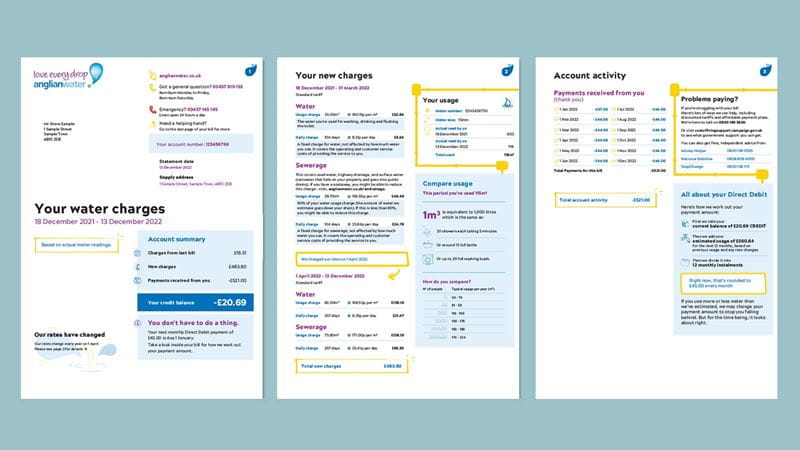
Let’s be real: sorting out your water bill is about as thrilling as watching paint dry. But here’s the kicker—getting it wrong can turn your calm, easy-going life into a bureaucratic nightmare. The good news? Setting up water bills is a breeze if you know the right steps. Think of it as a low-stakes puzzle that, once solved, gives you back your weekends.
First, you need to know who runs the taps. Every city has its own water utility, and they’re not exactly hiding. A quick web search for “[your city] water utility” usually pulls up the official site—look for a domain ending in .gov or a local government address. Pro tip: ignore the sponsored ads promising “instant setup” for a fee; those are middlemen who charge you for free info.
Once you’ve found your utility, it’s time to start an account. Most companies let you do this entirely online, which is a gift from the modern gods. You’ll need your property’s address, your full name, and often the previous tenant’s account number—check your closing paperwork or lease. Have your ID ready (driver’s license or passport) because utilities love verifying you’re not a phantom.
Must Read
Here’s a fun fact: water bills are ghostly quiet compared to your electric ones. In most U.S. cities, water costs roughly one-third of your electricity bill, so it’s the cheap date of household utilities. That doesn’t mean you should ignore it, though—unpaid water bills can lead to a lien on your home. Nobody wants their house to be a hostage to a leaky pipe.
The Setup: Paperwork You Can Actually Handle
You’ll be asked for a deposit, but don’t panic. Many utilities waive the deposit if you have a good credit score or a history of paying bills on time. Ask about “no deposit” options when you call; it’s like asking for a discount at a store—sometimes it just works. If you’re a renter, your landlord might already have the account active, but you’ll still need to switch it to your name.
Speaking of switching: timing is everything. Set up your water bill at least a week before you move in to avoid a dry welcome. Imagine showing up to your new place, eager to shower, and discovering the water is off because no one turned it on. That’s a gritty plot twist you don’t need in your life.
Paperless billing is your friend. Opt in, and you’ll save trees and avoid the horror of a lost envelope sitting in a pile. Plus, digital bills are easier to track—set a monthly reminder on your phone, and you’ll never accidentally drown in late fees. Auto-pay is the real MVP here; it’s like having a quiet, reliable assistant who handles the boring stuff while you sip your morning coffee.
Cultural Wisdom: What the World Does
In Japan, water bills are famously punctual, and missing a payment is considered a social faux pas. Meanwhile, in Italy, some municipalities send bills with a handwritten-style font to feel more personal. Italians also tend to pay at local tobacco shops, not just online, mixing utility duty with a quick espresso. Adopt the Japanese discipline for deadlines, but keep the Italian ease—don’t let water bills stress you out; they’re just numbers in a pipe.
 Am Water Pay My Bill _ Nyc Water Bill Payment – ITZNS
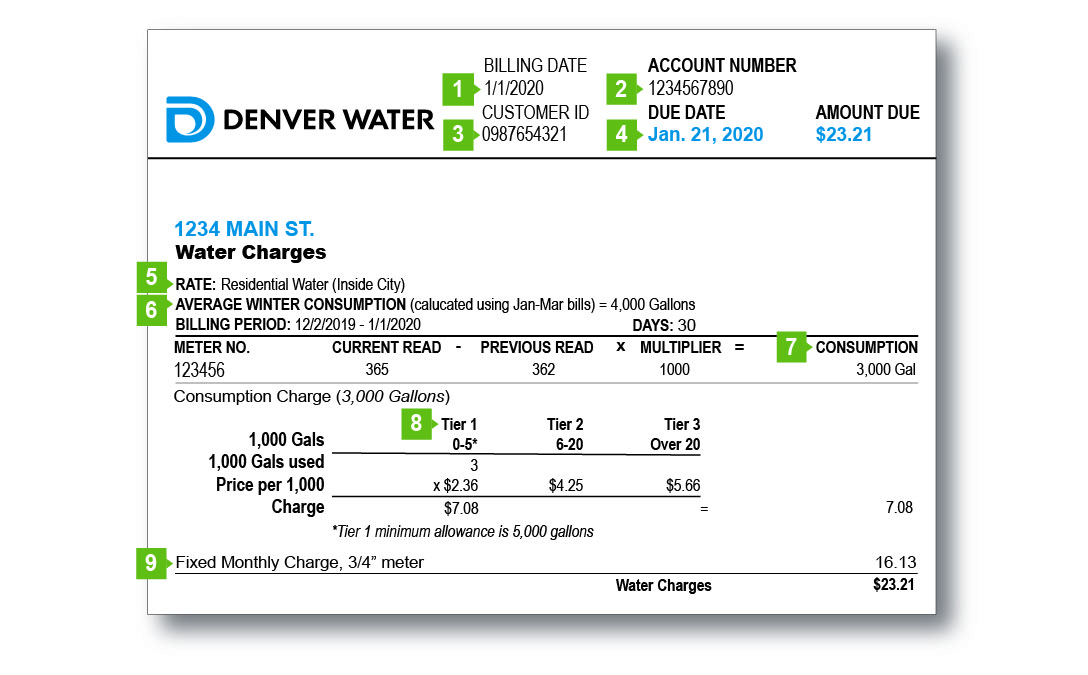
A practical tip: check your first bill carefully. Sometimes new accounts include a “connection fee” or a “service initiation charge” that’s legitimate, but other times you might spot an error. Read the line items like you’re decoding a menu—if something looks weird, call and question it. Utility reps are accustomed to confused humans; they’ll help you.
If you move frequently, many utilities now offer “portable” account transfers. You can close one address and open another without starting from scratch. This is a lift-elevating hack for the nomadic among us. Just remember to notify them when you vacate—otherwise, you’ll be paying for the next tenant’s long showers.
Leaks, Discounts, and Tiny Joys
Here’s a fact that might save you cash: water utilities often offer rebates for installing low-flow fixtures. For example, a WaterSense toilet can save 13,000 gallons a year—that’s roughly $100 off your bill annually. Some cities even send you a free showerhead if you just ask nicely. It’s like the utility is secretly rooting for your wallet.
Leaks are the silent killers of easy water bills. A dripping faucet can waste over 3,000 gallons a year—that’s like flushing a small swimming pool down the drain. Check your toilets for silent leaks by dropping a food coloring tablet in the tank; if the color seeps into the bowl within 30 minutes, you’ve got a stealthy villain. Fix it with a $5 kit from the hardware store and watch your bill thank you.
If you hit a financial rough patch, don’t go silent. Many utilities have assistance programs, especially in winter or after hurricanes. Call them, explain your situation, and they’ll set up a payment plan. Utilities prefer a slow payment to no payment, so they’re usually flexible. It’s a human system run by humans, not robots—yet.
 Davao City Water District
The Practical Checklist for Your Phone Notes
Here’s your go-to list: 1. Find the utility website. 2. Gather ID and property details. 3. Choose paperless billing and auto-pay. 4. Ask about deposit waivers and rebates. 5. Set a calendar reminder for the first bill’s due date. Do this in one sitting, and you’ll be done in under 20 minutes—faster than deciding what to stream tonight.
One last trick: when you call the utility, have your account number and a pen ready. The hold music is almost always a generic loop, but treat it as meditation time. Take three deep breaths, and by the time a human picks up, you’ll be the calmest person on the line. Your patience is a superpower in the bureaucracy game.
Water, Life, and the Bigger Stream
Setting up your water bill is more than a chore—it’s a tiny ritual of claiming your space. When that first bill arrives, you’re officially a part of your neighborhood’s flow. You’re saying, “I live here, I’m responsible, and I’ll keep the taps running.” It feels oddly grounding, like signing a quiet contract with gravity itself.
Think about it: water bills connect you to a vast network of reservoirs, pipes, and treatment plants that work tirelessly while you sleep. Paying yours is a small nod to the engineers, the workers, and the ancient Romans who pioneered aqueducts. You’re part of a hydraulic civilization—and that’s kind of beautiful.
So go ahead, set up that bill. Take a deep breath, click the final button, and then reward yourself with a glass of cold, clean tap water. You’ve earned it. That’s the life: a simple task done well, leaving you free to think about more important things—like what to cook for dinner or where to go this weekend.
