Why Is Flouride In Water

You’ve seen the memes, heard the debates at dinner parties, and probably avoided the topic. Fluoride in water feels like one of those conspiracy-adjacent facts nobody wants to...

You’ve seen the memes, heard the debates at dinner parties, and probably avoided the topic. Fluoride in water feels like one of those conspiracy-adjacent facts nobody wants to touch. But let’s slide past the noise and look at the real story.
Turns out, it’s not a shadowy plot—it’s a public health experiment that actually worked. Fluoride is a natural mineral found in rocks, soil, and even your morning tea. The idea of adding it to drinking water started in the 1940s, when scientists noticed that communities with naturally higher fluoride levels had fewer cavities. Way fewer.
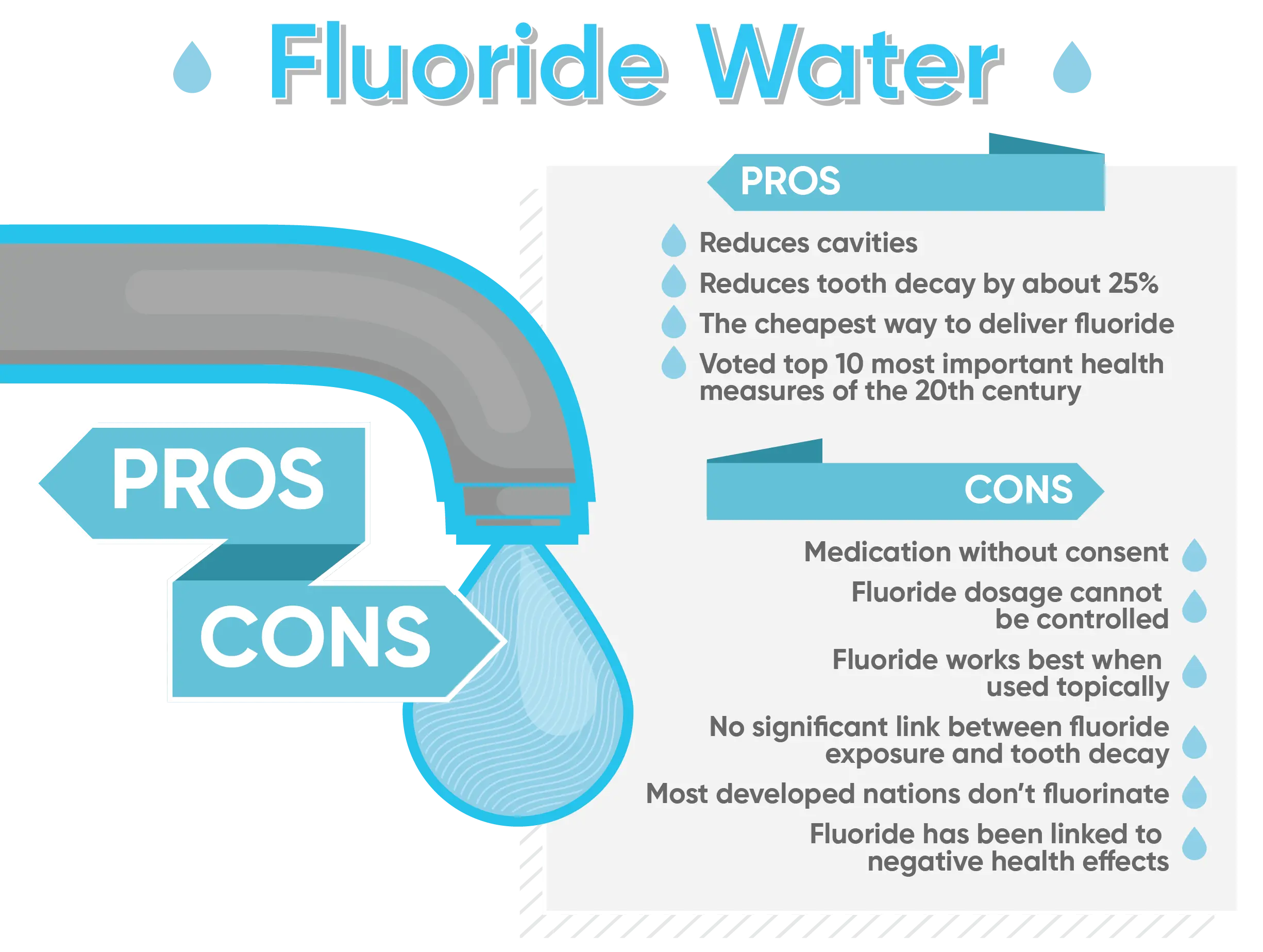
Fast forward to today, and the Centers for Disease Control calls fluoridation one of the ten great public health achievements of the 20th century. Right up there with vaccines and seat belts. It’s not sexy, but neither is a root canal.
Must Read
The Science Bit (Painless Edition)
Your teeth are like a tiny medieval fortress. Every time you sip soda, nibble a croissant, or forget to brush, acid armies attack the enamel. Fluoride slides in and remineralizes the fortress walls, making them harder and more resistant to cavities. It’s like giving your teeth a daily, invisible shield.
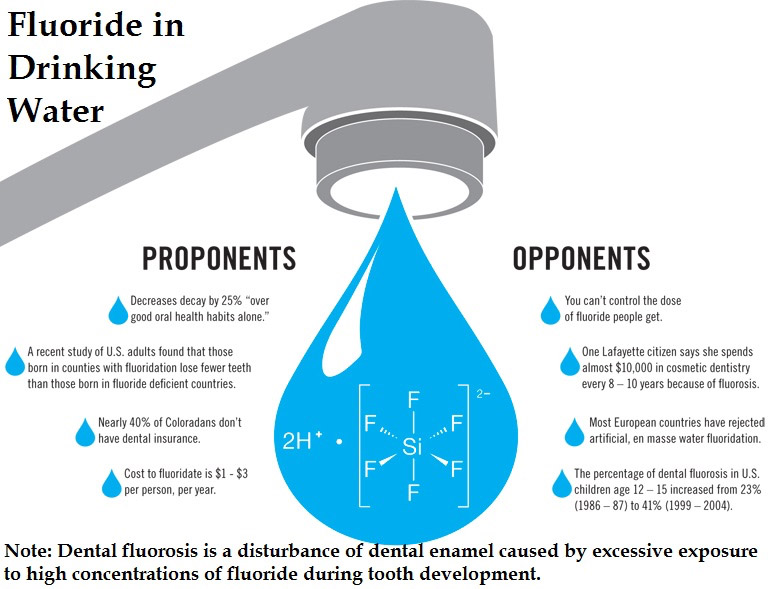
Here’s the fun part: it works best when you can’t taste it. That means the levels in tap water (around 0.7 parts per million) are carefully calibrated. Too much and you get fluorosis—white spots on teeth—but that’s rare and mostly cosmetic. Too little, and you’re back to Dickensian dental horror.
So no, it’s not a chemical weapon. It’s more like multivitamins for your mouth, delivered through your kitchen faucet.
Cultural Footnotes: America’s Strange Obsession
Ask a European friend about fluoride, and they’ll probably shrug. Many countries skip water fluoridation entirely, relying on fluoridated salt or toothpastes instead. But America? We went all in.
Why? Because in the 1940s, lead pipes and poor nutrition made dental decay a national emergency. The solution was simple: add fluoride to the water supply, so everyone—rich, poor, rural, urban—got the same protection. It was a great equalizer before equalizers were cool.
 Is Fluoride in Water Good or Bad? I Quench Water
Remember The Simpsons episode where Springfield’s water turns citizens into zombies? That joke landed because fluoride has always been a little weird. But real life is less sinister: it’s just trace minerals doing their job while you scroll through your phone.
Practical Tips for the Skeptical Sipper
Still uneasy? No problem. Start by checking your local water report. Most utilities publish annual data online—look for “fluoride” under regulated contaminants. If you live in a major US city, it’s almost certainly there. If you live in Portland, Oregon, it’s not—they voted fluoride down multiple times because voters wanted choice.
You have options either way:
Use a filter that removes fluoride if you’re truly opposed. Look for reverse osmosis models or activated alumina filters. Standard Brita pitchers? They don’t touch fluoride. Sorry.
If you’re fine with fluoride but want extra protection, don’t swallow mouthwash—just spit it out. And consider a remineralizing toothpaste for night use. Your enamel will thank you.
 Water Fluoridation by Nima Alipour D.O. - Marque Urgent Care
Also, black tea naturally contains fluoride. So if you’re sipping Earl Grey, you’re already in the club—whether you knew it or not.
The “Bottled Water” Trap
Here’s a curveball: most bottled water does not contain fluoride. That means if you only drink bottled, you’re missing out on the tooth-shielding effect. Some brands add it back, but many don’t. So your “pure” hydration habit might actually be a slow con against your molars.
This is why dentists joke that your tap water is better for you than the fancy glass bottle from a spring in the Alps. Sorry, marketing.
Reflection: The Quiet Miracle in Your Sink
Think about it: every time you fill a glass from the tap, you’re participating in a 1920s dream that became a 2024 reality. Clean water, safe for drinking, with a little extra help for your teeth. It’s not dramatic. There are no explosions or celebrity endorsements.
But that’s the point of good public health—it’s boring in the best way. You don’t notice it until it’s gone, like a trustworthy friend or a reliable Wi-Fi signal.
So next time you brush your teeth, pause for a second. Thank the pipes. Thank the chemists. And maybe (just maybe) raise a glass of tap water in a small toast. Your smile is the result of a hundred small, invisible victories—and fluoride is leading the charge.
