Why Is Well Water Yellow

Ever turned on your tap and been greeted by water that looks more like iced tea than a crystal-clear mountain stream? It’s a bit startling, right? You might wonder if your pip...
Ever turned on your tap and been greeted by water that looks more like iced tea than a crystal-clear mountain stream? It’s a bit startling, right? You might wonder if your pipes are rusting or if something went wrong, but more often than not, it’s just a fascinating story about the ground beneath your feet.
Let’s dive into the science behind that golden hue. It’s not magic, and it’s usually not a health crisis—it’s all about what your well water picks up on its underground journey.
The Color Comes from the Earth Itself
Your well is basically a straw into an underground lake, and that lake is full of minerals. The main culprit for yellow water is iron—and lots of it.
Must Read
Think of it like this: rainwater seeps through soil and rock, slowly dissolving tiny particles of iron. When that water sits in your well, the iron mixes with oxygen from the air, turning into rust in liquid form. That’s the yellow tint you see. It’s the same reaction that makes an old bike chain turn orange.
Another big player is tannins. These are natural plant leftovers—like the stuff that makes tea dark or stains a forest stream brown. If your well is near a bog or heavy woods, tannins can sneak in and give your water a golden glow.
Why It Looks Scary But Usually Isn’t
Here’s the chill part: yellow water from iron or tannins is generally safe to drink. It might taste a bit metallic or earthy, but it won’t poison you. Your body processes these minerals just fine.
Compare it to a cloudy glass of apple juice—doesn’t look like water, but it’s perfectly fine. The real question is, why does it happen more in some wells than others? It’s all about location. Wells dug into deep rock layers often pick up more iron, while shallow wells near decaying plants catch more tannins.
Ever notice the yellow gets stronger after a big rain? That’s because fresh water stirs up deposits at the bottom of the well, kicking rust and plant gunk into suspension. It’s like shaking a bottle of old sediment—temporary, but very dramatic.
 9 Causes Of Smelly Or Yellow Well Water | What Should You Do?
The Cool, Weird Stuff It Reveals
Here’s where it gets interesting: yellow well water is a sneaky storyteller. It tells you your water has been on a long, slow trip through ancient rock layers. That iron might have been sitting there for thousands of years, slowly dissolving as water passed by.
It’s like the water is carrying a little piece of history—a mineral snapshot of the ground under your house. In some places, the yellow tint even hints at mineral-rich soil that’s great for gardens. Who knew your tap water could be so poetic?
Plus, there’s a practical upside: that iron can actually help you if you have plants that need trace minerals. Some folks collect their yellow well water for watering ferns or acid-loving blueberries. It’s free fertilizer, basically.
When It’s a Sign to Pay Attention
Okay, not every yellow glass is harmless. Sometimes the color comes from bacteria that feed on iron, creating a slimy film inside your pipes. You might notice a rotten-egg smell or greasy stains on your laundry.
If that happens, it’s less “cool underground art” and more “time to check your system.” But don’t panic—a simple water test can tell you if it’s harmless rust or something that needs a filter. Most of the time, it’s just the rustic charm of living on well water.
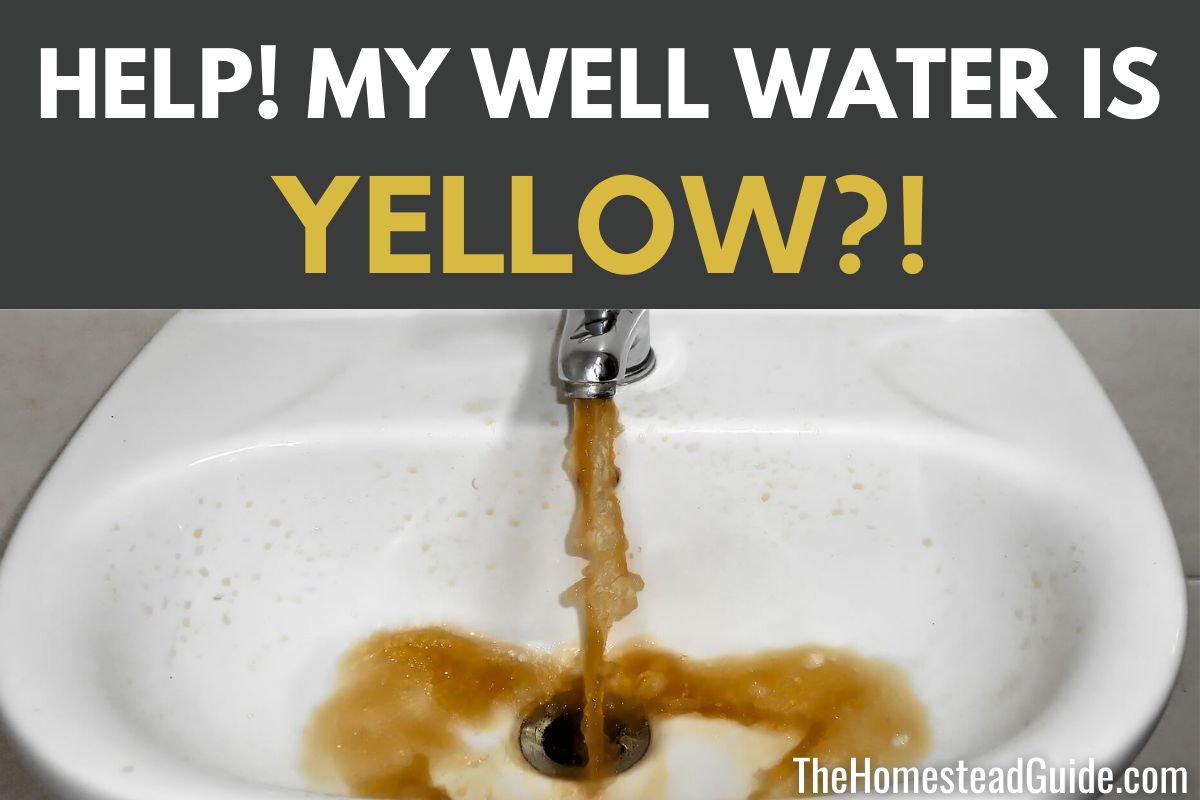 Why is My Well Water Yellow? 6 Causes and How to Fix Them
Think of it like this: city water is sterilized and predictable, like bottled soda. Well water is a wild, natural brew—sometimes yellow, sometimes funny-tasting, but full of character. It’s the unfiltered version of hydration.
How to Embrace the Gold (Or Fix It)
If you love the idea of nature’s tea, you can just live with it. Drink it, cook with it—it’s fine. Many well owners just call it “iron water” and go on with their day.
But if the yellow bugs you or stains your white shirts, you’ve got options. A simple sediment filter catches the bigger rust particles. For serious iron, a whole-house water softener or oxidation filter can turn it clear as glass. It’s like adding a mini spa for your tap.
Tannins are trickier—they need a special carbon filter. But honestly, a lot of people just accept the tint. It’s a reminder that your water came from the earth, not from a factory. That’s pretty rad if you ask me.
So next time that yellow water fills your glass, don’t freak out. Give it a little nod. It’s just your well saying, “Hey, I’ve been through some cool layers today.” And isn’t that more interesting than boring clear water anyway?
