Does Bottle Water Go Bad

We’ve all been there. You’re cleaning out the car, or grabbing a quick drink from the back of the pantry, and you find it: a forgotten plastic bottle of water, dusty and warm....
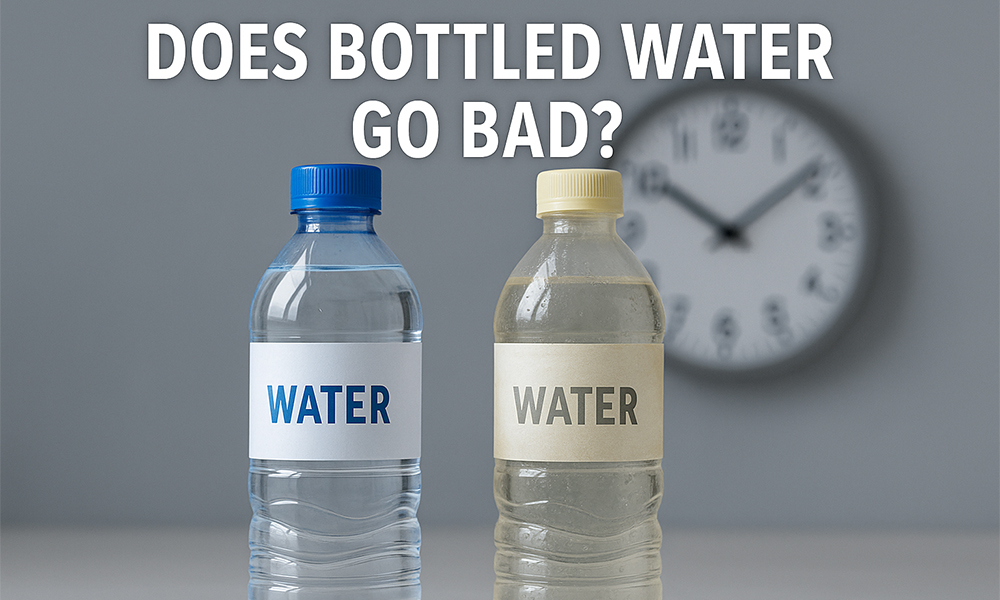
We’ve all been there. You’re cleaning out the car, or grabbing a quick drink from the back of the pantry, and you find it: a forgotten plastic bottle of water, dusty and warm. The question hits you with a mix of curiosity and mild alarm: Did this thing just go bad?
Relax. The short answer is comforting: bottled water doesn’t really “go bad” in the way milk or leftover pizza does. It won’t spoil or grow dangerous bacteria if the seal is intact. However, the longer, more interesting answer involves taste, storage, and a little bit of chemistry that might change how you reach for that next sip.
The Chemistry of a Long-Distance Sip
Think of bottled water as a very shy celebrity. It’s perfect when it first hits the stage, but over time, it starts to interact with its environment. The main culprit isn’t time—it’s plastic and air.
Must Read
Over many months, especially in a hot car or a sunny window, the plastic bottle can slowly leach trace amounts of chemicals into the water. You won’t get sick, but the water might start tasting like a melted pool toy or a chemistry set. This is a purely aesthetic issue, but for a hydrating experience, flavor matters.
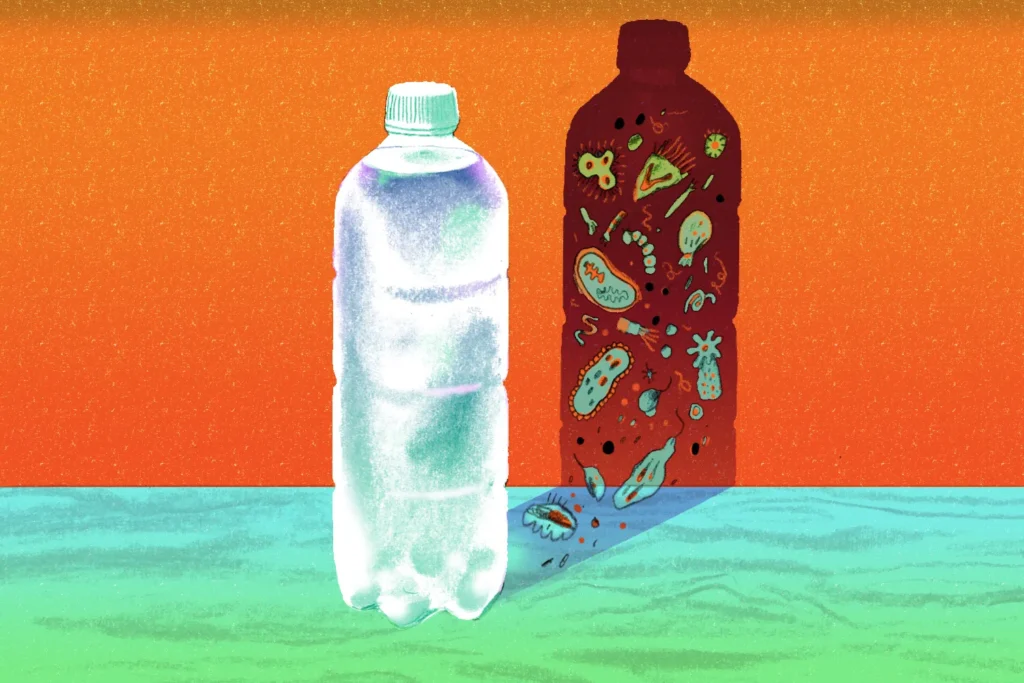
If you open the bottle and let it sit for a day or two, it’s a different story. Once exposed to air, it can pick up dust, bacteria from your mouth (thanks to that shared sip), and carbon dioxide from the atmosphere. That last one? It can make your flat water taste slightly tangy or acidic.
Fun Fact: The “Expiration” Date is a Lie
Here’s a little secret from the industry: those dates stamped on the bottle are mostly for quality, not safety. In the U.S., only infant formula requires a real expiration date. For water, manufacturers put a two-year date on there because, legally, they have to put something.
Culturally, we’ve been trained to fear expiration dates like a horror movie villain. But in reality, a bottle of water from two years ago (stored in a cool, dark closet) is likely just as safe as one you bought yesterday. It might just taste a little... flat.
 Can Bottled Water Go Bad After Opening | Explora Madeira
Think of it like a vintage t-shirt. It’s fine, it’s wearable, but it doesn’t have the same crisp feel as the new one. The water hasn’t gone “bad”—it’s just gotten a little weary.
Practical Tips for the Modern Hydrator
So, how do you keep your water in its prime? Here are three easy steps to stay fresh and avoid that “old gym bag” taste. First, store it like fine wine. Keep bottles away from heat, direct sunlight, and strong-smelling chemicals (like cleaning supplies). Your pantry or a cool cabinet is ideal.
Second, break the chain of shared germs. If you drink directly from the bottle, you’re introducing bacteria from your mouth. That water needs to be consumed within a day or two, or it becomes a tiny biology experiment. Pour into a glass instead, and you’ll extend its life significantly.
Third, know when to say goodbye. If the bottle is dented, bulging, or the water looks cloudy, toss it. Also, if it smells like a plastic factory or a damp basement, trust your nose. Your senses are your best guide, not a calendar.
Cultural Refresher: The Reusable Revolution
Let’s be honest: the bottled water aisle is a relatively new cultural phenomenon. Our grandparents grew up drinking from taps and metal canteens. The bottled water craze peaked in the early 2000s, a time when we thought “Dasani” was the peak of luxury.
 Does Bottled Water Go Bad?
Today, the eco-conscious crowd has flipped the script. Reusable bottles made of stainless steel or glass are the new status symbols. They don’t leach chemicals, they keep water cool, and they never, ever taste like a forgotten science project.
But if you do buy single-use, treat it as a temporary companion. Drink it within a year of purchase, and definitely within a few hours of opening. It’s not a souvenir; it’s hydration on a deadline.
The Final Sip: A Reflection on Daily Life
Here’s the reflection that connects this trivia to your actual day: we are surrounded by products that promise immortality but deliver mediocrity. Water bottles sit in the back of our cars, mirrors of the forgotten tasks and neglected corners of our lives. They remind us that even simple things need a little attention.
But the lesson is gentle. Not everything rots. Not everything needs to be thrown away the moment it’s a little boring. Sometimes, water just gets tired, like a friend who’s been out in the sun too long. A little patience, a cool dark space, and a clean glass can revive just about anything.
So next time you find that plastic bottle under your seat, don’t panic. Smell it. Taste it. If it’s fine, hydrate with a wink at time. If it’s not, toss it and remember: freshness is a feeling, not a number on a label. Now go refill your reusable bottle—it’s waiting for you.
