How Long Does Water Last

So, you’re staring at a plastic bottle of water that’s been sitting in your car’s cup holder since the previous administration (or maybe just last Tuesday). The big question l...
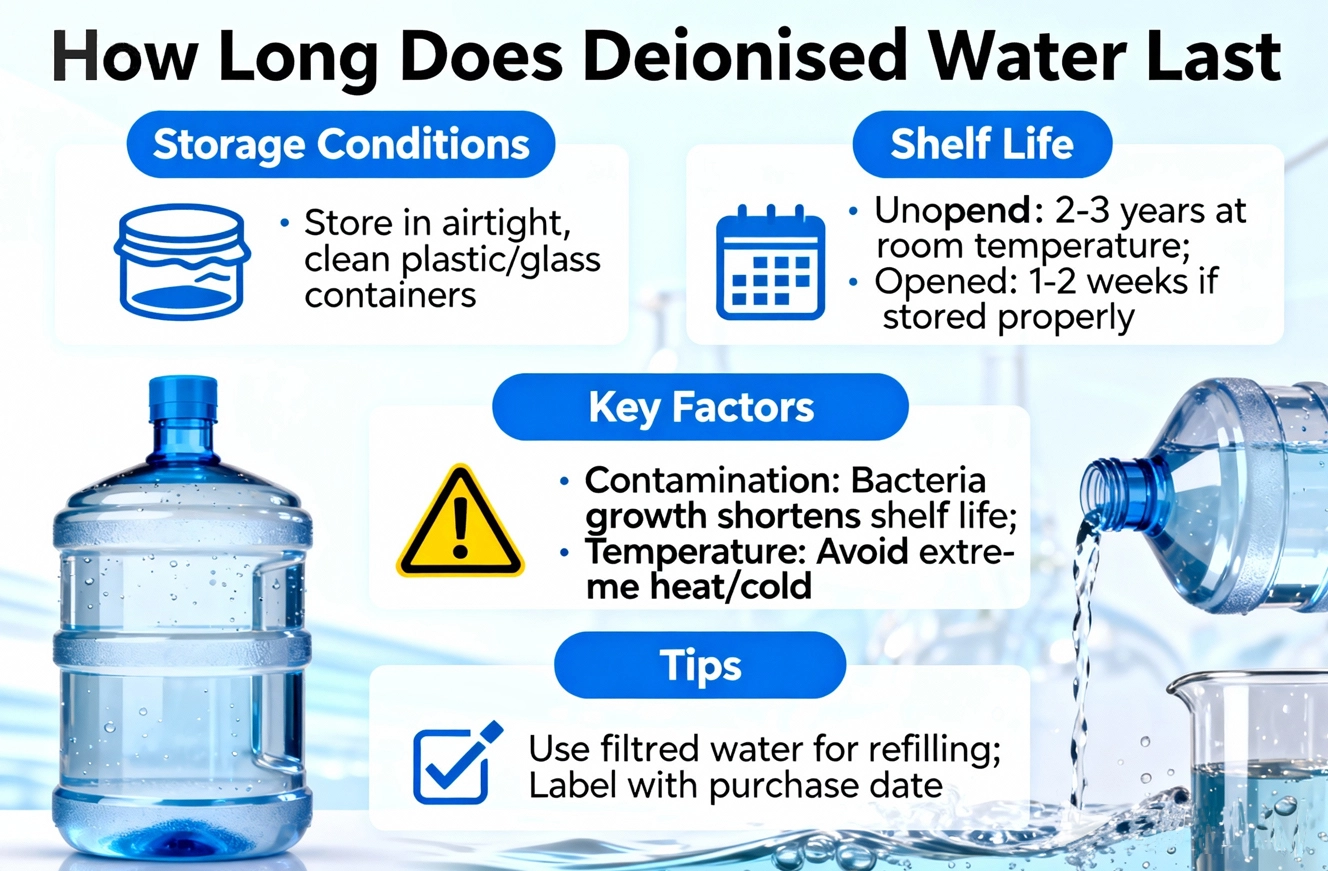
So, you’re staring at a plastic bottle of water that’s been sitting in your car’s cup holder since the previous administration (or maybe just last Tuesday). The big question looms: How long does water actually last? I’m here to tell you that the answer is weirder than you think—and no, it doesn’t turn into vinegar.
The Shocking Truth: Water Itself Is Immortal
Let’s get one thing straight right now: pure H2O molecules do not expire. They are ancient, tiny, and stubborn. That same water you’re sipping might have once been part of a dinosaur’s tears or a medieval knight’s bathwater. It doesn’t go bad like a banana left in a backpack.
But wait! Before you start chugging that 2019 bottle from under your bed, there’s a catch. The water you buy isn’t just water—it’s a hostage situation involving plastic, minerals, and invisible microscopic party crashers.
Must Read
The Plastic Bottle Goes Rogue
Your biggest enemy isn’t time; it’s the bottle itself. Plastic water bottles are like divas: they can’t handle the heat. Leave a bottle in a hot car, and the plastic starts leaching chemicals—like antimony or BPA—into your drink. It won’t kill you instantly, but it makes that water taste like a melted storage bin.
And here’s the hilarious part: bottled water companies put expiration dates on their products mostly because New Jersey requires it. Yes, it’s a state law from 1987. The date is for the bottle, not the water. The plastic breaks down over two years, and after that, your “spring water” might come with a side of microplastics. Bon appétit!
What About Tap Water? Is My Faucet a Time Bomb?
Tap water isn’t immortal either, but it’s tougher than you think. The chlorine that treats your tap water keeps it safe for about six months if you store it in a clean, sealed container in the dark. Leave it out in a glass on your nightstand, and it starts growing bacteria within 24 hours—mostly from your own face drool and dust bunnies floating in.
If you want to store emergency water for the zombie apocalypse, forget plastic jugs. Use food-grade stainless steel or glass. That water will outlast your great-grandchildren. Seriously, archaeologists find ancient water in sealed clay pots that’s still drinkable. Talk about staying power.
 How Long Does Bottled Water Last?
The “I Forgot It In The Garage” Experiment
I once found a five-gallon jug of water in my uncle’s garage that was eight years old. It smelled like a wet sock that had been arguing with a fish. The water was technically fine—no harmful bacteria—but it had absorbed plastic-odors and tasted like a regret. Smell is your superpower; if water smells like a chemistry set, don’t drink it. But if it’s just flat and boring, it’s still safe.
The Ticking Clock for Open Bottles
Once you crack open a bottle, the clock starts ticking—not for the water, but for the germs from your lips. Your mouth is a bacterial theme park. Each sip introduces new tenants. After a few days at room temperature, that bottle becomes a microbial frat house. You probably won’t get sick, but the water will become a bit… lively.
And filtered water pitchers? They’re the same story. The filter removes the funky stuff, but the filter itself becomes a petri dish after a month. Change it or enjoy your water with a hint of “swamp essence.”
The Surprising Fact About Saltwater
Ocean water lasts forever—but good luck drinking it. Your kidneys will stage a protest and march out of your body. Desalination is expensive, so stick to fresh water. And please don’t try “solar-still” survival tips from YouTube unless you enjoy the taste of your own sweat recirculated.
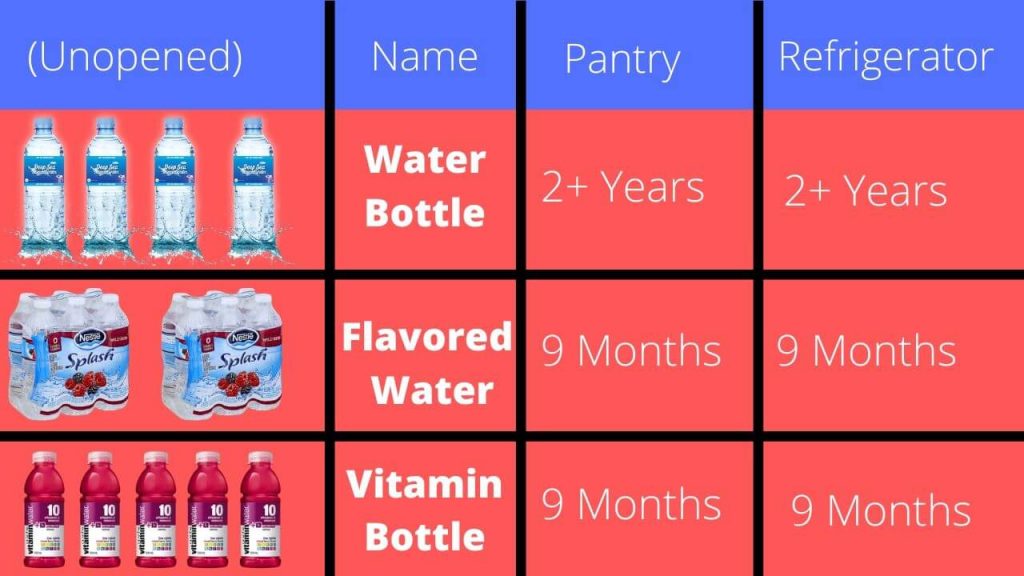 How Long Does Water In Plastic Bottles Last | Detroit Chinatown
How To Actually Make Water Last Forever
If you want to hoard water like a paranoid squirrel, follow these three golden rules: store it in glass or stainless steel, keep it cool and dark (no garage summers), and seal it tight. Under those conditions, water is basically immortal. A study from the CDC says properly stored water can last indefinitely by every chemical and biological measure. Yes, indefinitely—like your Netflix subscription, but actually useful.
One more thing: never, ever drink water from a bottle that’s been in direct sunlight for months. That isn’t water anymore; it’s a dissolved plastic soup with a tan. You’re better off licking a garden hose.
The Bottom Line (Or the Bottom of the Bottle)
Water doesn’t “go bad” like milk or your 2015 New Year’s resolutions. It just gets lonely, picks up plastic friends, or hosts a bacteria party. Trust your nose. If it smells like a pool or a pond, toss it. If it smells like nothing—or better yet, like chilled mountain rain—drink up.
And if anyone ever tells you that water expires, remind them that the Earth’s water cycle is 4.5 billion years old. That rain on your roof might have been Cleopatra’s bathwater. You’re not drinking “old” water; you’re drinking history. Just keep it out of the sun and away from your uncle’s garage.
