Does Bacteria Die At 212

Okay, let’s talk about a number that sounds like it belongs in a spy movie: 212. Specifically, does bacteria die at 212°F? That’s the boiling point of water, for anyone who sk...
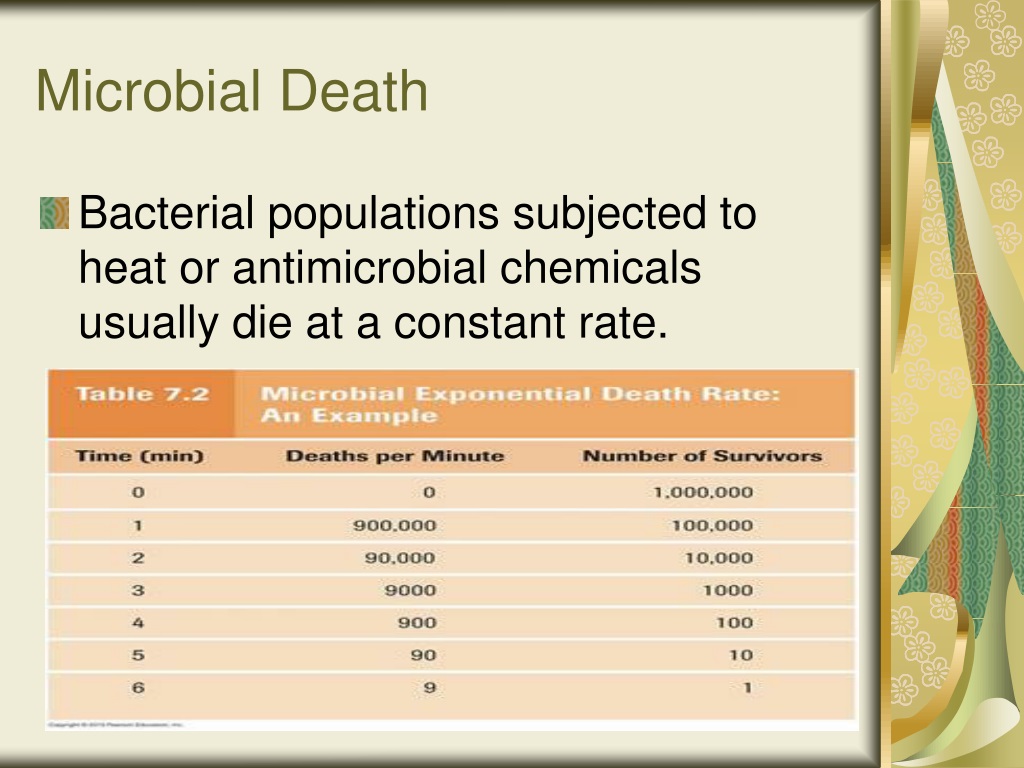
Okay, let’s talk about a number that sounds like it belongs in a spy movie: 212. Specifically, does bacteria die at 212°F? That’s the boiling point of water, for anyone who skipped science class to eat glue. And spoiler alert: the answer is a glorious, sizzling YES—with one tiny, hilarious catch.
The Big Boil: A Bacterial Apocalypse
Picture this: you’ve got a pot of water, it hits 212°F, and suddenly it’s a mosh pit of doom for most bacteria. Their little cell walls scream, their proteins denature, and they basically poof into oblivion. It’s like a hot tub party that goes way, way too far.
Boiling water is the unofficial bouncer of the microbial world. It kicks out bad guys like E. coli, Salmonella, and Giardia (the freeloaders of the bacteria kingdom). If you’re camping and need safe water, a good rolling boil is your best friend—no membership required.
Must Read
But here’s the fun twist: not all bacteria die instantly at 212. Some are like those tough gym rats who can hold a plank for five minutes. They need a little more time to surrender.
The Spore Factory: Bacteria That Laugh at Boiling
Meet the endospores. These are bacteria in a state of extreme hibernation, wrapped in a coat that practically laughs at heat. Think of them as microscopic bears, but less cuddly and more likely to give you tetanus.
Species like Clostridium botulinum (the one behind botulism) can survive boiling for hours. It’s not that they don’t die—they just need a longer sauna session, usually above 250°F in a pressure cooker. Boiling at 212 is like trying to melt a diamond with a hairdryer.
So, does bacteria die at 212? Most do, but the stubborn ones need a little extra persuasion. Don’t worry, though—your kitchen faucet isn’t hiding superbugs (probably).
What About Cooking? Your Steak’s Dirty Secret
When you cook food, you’re not necessarily boiling it at 212. A steak’s internal temperature might hit 145°F, which is way below boiling. Yet, that’s fine for killing surface bacteria because the heat is sustained long enough to do the job.
Here’s the rule of thumb: time and temperature are besties. You can kill germs at 140°F if you hold them there for a while. But at 212°F? They’re usually toast in seconds—like a marshmallow that fell into a campfire.
 Bacteria Growth Temperature Chart
And don’t get me started on freezing. Freezing doesn’t kill bacteria—it just puts them in cryo-sleep. They wake up the second your ice cream melts. So, boiling is basically the nuclear option.
The Myth of “Boiling Everything”
You might think, “I’ll just boil my whole life away!” But that’s a bad idea. Boiling can concentrate toxins from heat-resistant bacteria, like cyanide-from-bamboo-shoot-bad. And you’ll ruin your favorite hoodie if you boil it.
Plus, boiling water at high altitudes is a cheat code gone wrong. At 10,000 feet, water boils at around 194°F. That’s not hot enough to kill pathogens as quickly, so you’d need to boil longer. Science is rude like that.
So, the short answer? Yes, 212°F is a bacterial buzzkill for the vast majority. But for the spore-forming few, you’ll need a pressure cooker or a very, very long boil.
Why You Should Still Boil That Water
Don’t let the spore thing freak you out. Most waterborne nasties are wimps at 212°F. The CDC says a rolling boil for one minute kills 99.999% of bad guys. That’s a solid A+ in the germ-killing school.
And if you’re in a survival situation, boiling is your lifeline. It’s cheap, it’s easy, and it doesn’t require a PhD in microbiology. Just a pot, some heat, and a little patience.
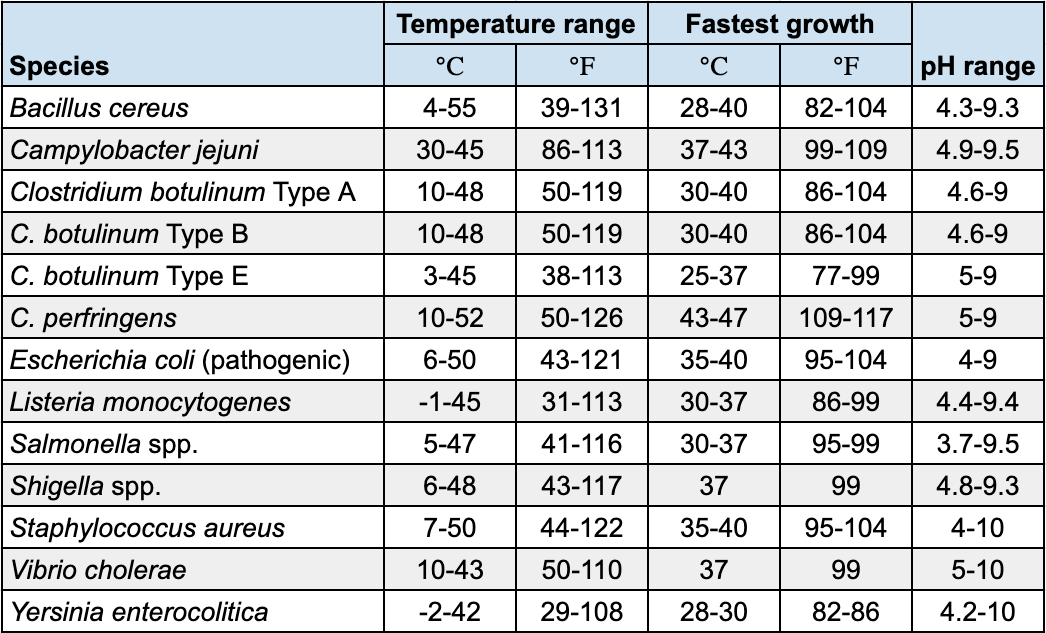 What Temperature Kills.bacteria at Nicholas Packard blog
Remember: “Boil your water, not your worries.” (I just made that up, but it sounds wise, right?)
The Fun Part: Bacteria Are Weird
Some bacteria actually love hot water. There are thermophiles that thrive at 212°F and above—they live in Yellowstone’s hot springs. They’re not harmful to humans, but they’re the cool kids of the bacterial world. Literally and figuratively.
So, when you boil water, you’re not purifying it from all life—just the life that wants to give you a tummy ache. Those hot-spring bacteria are like, “Thanks for the spa day, buddy!”
And that’s the beautiful, ridiculous truth about 212°F: it’s a party that most bacteria are not invited to—but a few weirdos show up anyway.
The Uplifting Conclusion
So, does bacteria die at 212? Yes, for the vast majority. You can boil with confidence, knowing you’ve sent most germs to the great drain in the sky. You’re a tiny, triumphant kitchen warrior.
And the ones that survive? They’re just nature’s way of keeping you humble. Life finds a way—even in boiling water. But you know what? You are also life, and you’re way more interesting. You have thumbs, you can make coffee, and you just learned something awesome about bacteria.
So go ahead, boil that pasta, drink that safe water, and smile. Science is on your side, and the bacteria are not winning today. You’ve got this. And remember: if something doesn’t boil away, it’s probably just teaching you patience. Stay curious, stay clean, and always—always—let the pot cool before you touch it. Ouch.
