How Does Reverse Osmosis

Let’s be honest: water is basically magic. You turn a handle, and out comes something that keeps you alive, washes your dishes, and makes your morning coffee worth getting out...
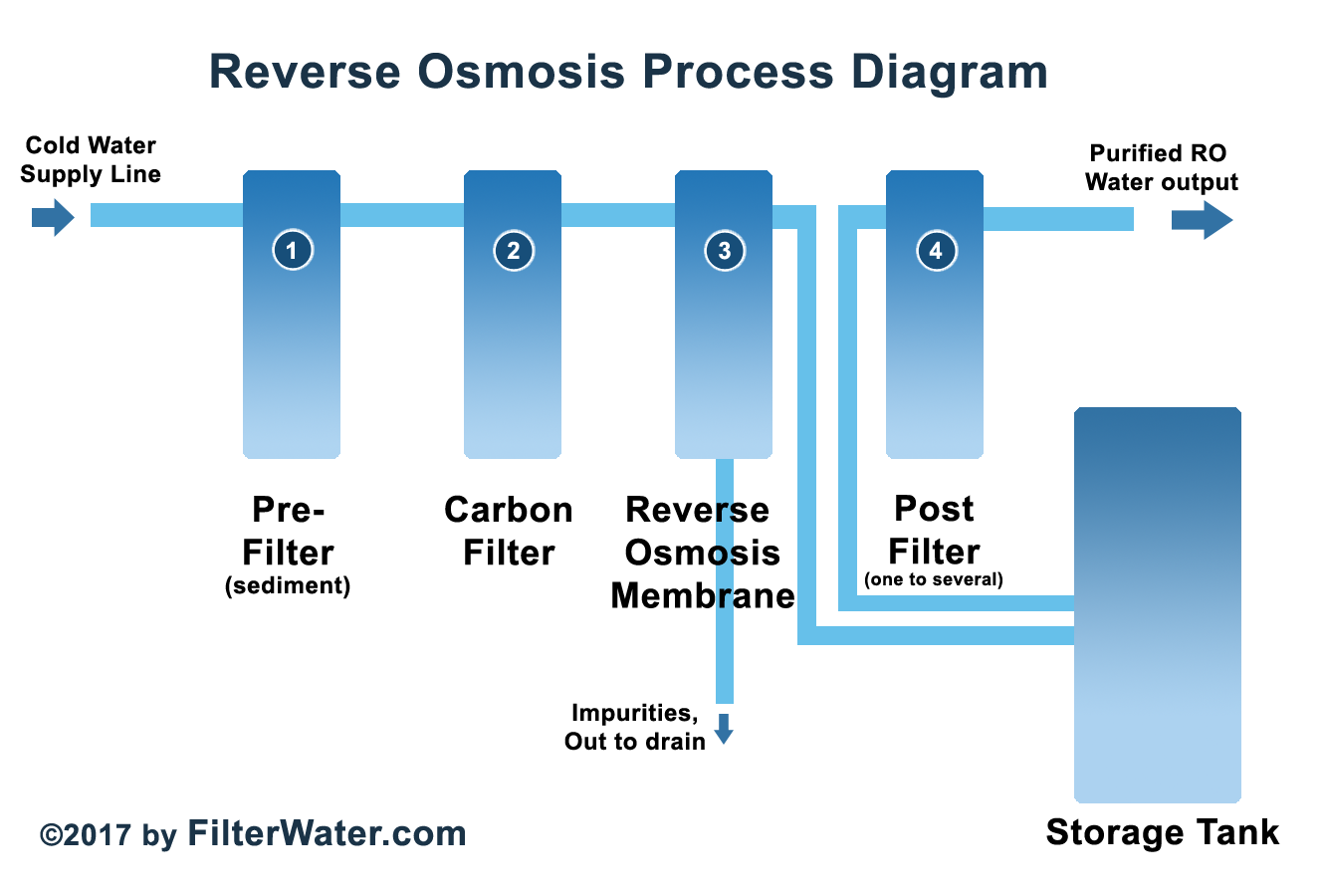
Let’s be honest: water is basically magic. You turn a handle, and out comes something that keeps you alive, washes your dishes, and makes your morning coffee worth getting out of bed for. But not all water is created equal. Sometimes it tastes like a swimming pool, leaves weird spots on your glasses, or smells a little bit like a damp basement. That’s where a quiet little hero called reverse osmosis comes into play.
What in the World is Reverse Osmosis?
Okay, picture this: you have a strainer for pasta, but the holes are so tiny that even a single grain of salt can’t get through. That’s basically reverse osmosis, or RO for short. It uses pressure to push water through a super-fine membrane that acts like a bouncer at an exclusive club.
This bouncer only lets the good stuff through—pure H2O. Everything else—chlorine, lead, pesticides, and even that weird mineral that makes your tap water taste like a metal spoon—gets kicked to the curb. It’s not magic, but it sure feels like it when you take that first sip.
Must Read
Why Should You Actually Care?
You might be thinking, “I’ve been drinking tap water for years, and I’m still here.” Fair enough! But have you ever paid attention to how it tastes? That little hint of bleach or that dry feeling in your mouth after a glass is your water telling you it’s been on a journey through pipes and treatment plants.
Here’s the kicker: reverse osmosis doesn’t just make water taste better. It removes things you can’t see, smell, or taste. Think about the scale that builds up in your coffee maker or kettle. That’s calcium and magnesium, and while they’re not dangerous, they mess with your appliances and your morning brew. RO water keeps your coffee tasting crisp and your kettle looking like new.
Remember That Spotty Glass?
You know when you wash a glass by hand, let it air dry, and it looks like it has a bad case of chickenpox? Those are mineral deposits—tiny bits of dissolved solids left behind after water evaporates. Reverse osmosis zaps those solids. Your glasses come out so clear they practically glow.
And if you’ve ever watered your houseplants with tap water only to see white crust form on the soil, you’ve seen the same culprit. RO water makes your plants happier, too. They don’t have to fight off extra salts. It’s like giving them a spa day every time you water them.
The “But It’s Expensive?” Myth
I hear this one a lot. People think reverse osmosis is for rich folks with fancy science labs in their basements. Not true. A simple under-sink RO system costs about the same as a few months of bottled water deliveries. And unlike those plastic jugs that pile up in your garage, an RO system sits quietly under your sink, producing crystal-clear water on demand.
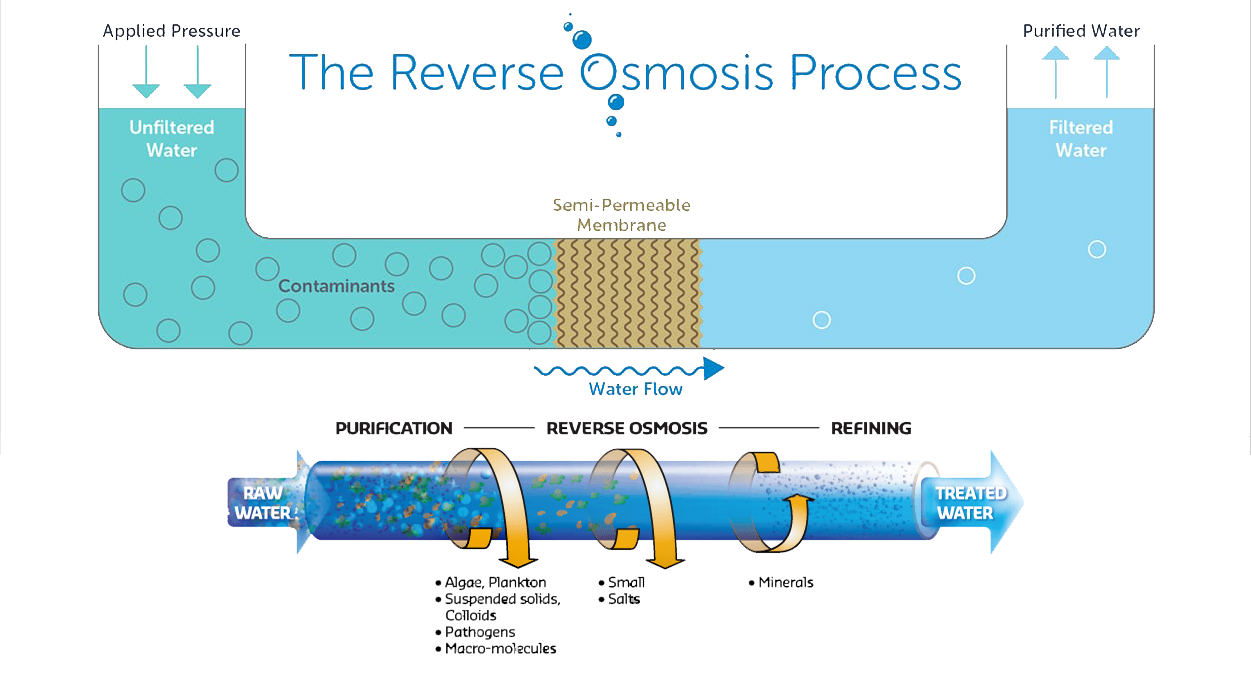 What Is Reverse Osmosis And How Does It Work
Think about it: you pay for water once from the tap, then you pay again in bottles, and again in energy to heat that hard water in your water heater. RO saves you money in the long run because your appliances last longer and you buy less plastic. Your wallet will thank you, and so will the planet.
A Little Story from My Kitchen
Last summer, I made a pitcher of iced tea with ordinary tap water. It tasted… fine. A few days later, I made the exact same tea with RO water. My husband took one sip, raised an eyebrow, and said, “Wait, did you change the recipe?” I hadn’t changed a thing—except the water. The tea was brighter, cleaner, and actually tasted like the tea leaves, not like the pipe it traveled through.
That’s the moment I became a reverse osmosis evangelist. It doesn’t change your life in a dramatic, fireworks-and-unicorns way. It changes it in the small, quiet moments: the coffee that doesn’t need sugar to mask the bitterness, the soup that tastes more like vegetables and less like minerals, the ice cubes that are perfectly clear.
But Does It Remove the Good Stuff Too?
Great question. Yes, reverse osmosis is very good at its job, and it does remove some beneficial minerals like calcium and magnesium. But here’s the thing: we get most of our minerals from food, not water. A single bite of broccoli has more calcium than a glass of tap water. If you’re worried, you can buy a simple remineralization filter that adds healthy minerals back in after the RO process. Problem solved.
Still, for most of us, the trade-off is worth it. Would you rather have a little bit of calcium in your water, or would you rather avoid trace amounts of chlorine, lead, and microplastics? I know which one I choose.
 Why Reverse Osmosis is the Better Choice for Clean Water – Go Lime
Keeping It Real
Reverse osmosis isn’t perfect. It does waste a bit of water during the filtration process (usually a few gallons for every gallon of clean water). But modern systems are getting much better, and some even recycle that waste water for your garden or toilet. It’s not a dealbreaker—it’s just a detail.
Also, you have to change the filters every six to twelve months. It’s like changing the oil in your car: a tiny bit of effort for a huge payoff. Most systems use twist-in cartridges that take about thirty seconds to swap. You can do it while your morning coffee brews.
The Bottom Line
You don’t have to be a science nerd or a health fanatic to appreciate reverse osmosis. It’s for anyone who wants their water to taste like water—clean, crisp, and neutral. It’s for the person who loves a good cup of coffee and hates scrubbing limescale off the faucet.
Next time you fill a glass from the tap, take a moment. Ask yourself: would this taste better? Look clearer? If the answer is yes, maybe it’s time to let a tiny, hard-working membrane do its thing. Your taste buds, your kettle, and your houseplants will all send you a thank-you note.
And honestly, isn’t a little bit of everyday magic exactly what we all need?
