What Is A Purified Water

Alright, let’s talk about water. Not the regular tap stuff that comes out of your faucet with a little bit of municipal personality. I’m talking about purified water. You see...

Alright, let’s talk about water. Not the regular tap stuff that comes out of your faucet with a little bit of municipal personality. I’m talking about purified water. You see it in sleek bottles at the grocery store, and it sounds fancy, but what actually is it? Buckle up, because we’re about to get wet and wild with science—minus the boring textbook.
So, What’s the Big Deal with Purified Water?
In the simplest terms, purified water is water that has been physically processed to remove impurities. Think of it as the Marie Kondo of H2O—it sparks joy by sparking cleanliness. It’s not just filtered; it’s been stripped of almost everything that isn’t a perfect, innocent water molecule.
This includes nasty stuff like bacteria, parasites, and chemicals. You know, the things you don’t want doing the backstroke in your glass. The goal? Water that’s so pure, it makes a mountain spring look like a muddy puddle (okay, maybe not that dramatic, but close).
Must Read
How Does Regular Water Become “Purified”?
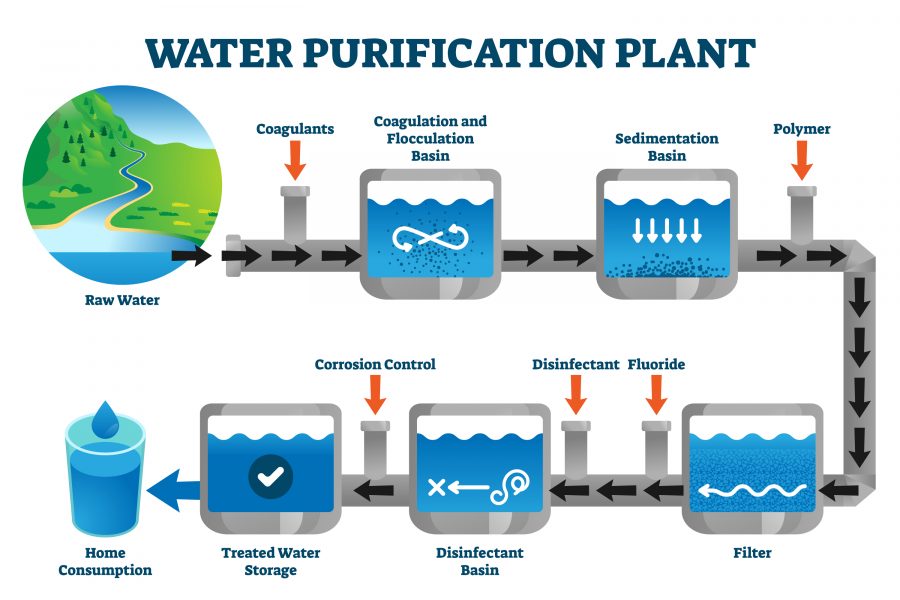
There are a few ways to achieve this liquid nirvana. One popular method is reverse osmosis, which sounds like a fancy yoga pose. It forces water through a super-tiny membrane that blocks pollutants like a bouncer at an exclusive club—sorry, lead and chlorine, you’re not on the list.
Another technique is distillation. You boil the water, catch the steam, and let it cool. The impurities get left behind, like bad guests who refuse to leave the party. The result? Water so clean, it’s practically lonely.
And let’s not forget deionization. This one zaps electrically charged minerals (like calcium and magnesium) out of the water. It’s like giving your water a tiny makeover, stripping away its mineral accessories.
Is It Better Than Tap Water? (The Honest Truth)
Here’s where I have to be real with you. Tap water in most developed countries is already safe to drink. It’s been treated, tested, and monitored. Your tap water is basically the reliable minivan of hydration—it gets you where you need to go.
But purified water is the luxury sports car. It removes things that tap water might still have traces of, like chlorine or certain heavy metals. If you have a compromised immune system, or if your local water tastes like a swimming pool, purified water is your hero in a plastic bottle.
 #post_title
Spoiler alert: It doesn’t make you any more hydrated than regular water. Your body is honestly not that picky. It just wants the wet stuff, period.
But… Does It Taste Different?
Oh, absolutely! Purified water often tastes flat or clean because there’s nothing in it to give it personality. No minerals, no weird aftertaste. It’s like the silent movie star of beverages—crisp, clear, and a little boring.
Some people adore that blank-canvas taste. Others think it’s like drinking liquid clouds. If you’re used to mineral-rich spring water, purified water might feel a bit like a quiet friend at a loud party. Not bad, just… quiet.
Wait, Isn’t This Just Bottled Water?
Not all bottled water is purified. Some is spring water (which comes from a natural source and keeps its minerals). Others are mineral water (fancy stuff with a lot of dissolved solids). Purified water is the one that specifically says “purified” on the label, or it’s gone through one of those sci-fi processes we talked about.
Fun fact: You can make purified water at home! A good filter pitcher or a countertop distiller will do the trick. Just don’t expect it to turn into wine—I’ve tried, and it doesn’t work. (Trust me on this one.)
 What Is Purified Water? | The Chemistry Blog
Is It Too Pure? Can It Hurt You?
This is the most common myth. Some people worry that purified water will leach minerals from your body. Relax! Your body is smarter than that. It holds onto its minerals like a dragon hoarding gold. Drinking purified water won’t turn you into a skeleton.
The only real downside? If you drink only purified water for years, you might miss out on the tiny mineral intake that tap water provides. But honestly, you get most of your minerals from food—like that glorious avocado toast you had for brunch.
So, When Should You Drink It?
Drink purified water when you want a guaranteed blank slate. Use it for mixing baby formula, filling your coffee maker (to prevent mineral buildup), or if you just hate the taste of your tap water. It’s also a lifesaver when you’re traveling to places where tap water is questionable—like a hotel in a foreign country, or your weird uncle’s house.
Otherwise, don’t overthink it. Water is water. The best water is the one you’ll actually drink. If that’s a fancy bottle of purified water, go for it. If it’s tap water from a reusable cup, awesome. You’re still a hydration hero either way.
The Uplifting Conclusion You Deserve
So, next time you grab a bottle of purified water, give it a tiny salute. It’s gone through a lot—filtrations, distillations, and possibly even a little chemistry magic—all so you can enjoy a sip of the purest stuff on Earth. It’s water that tried really hard to be perfect for you.
And here’s the best part: whether you drink purified, tap, spring, or even a puddle after a rainstorm (please don’t do that), you’re already winning. Because water is life, and life is beautiful. So raise your glass—fancy or not—and cheers to being refreshed, hydrated, and perfectly imperfect. You’re doing great, and so is your water. 💧
