What Is The Ph For Water

So, picture this: last weekend, I’m at my cousin’s house, and she hands me a glass of water with a proud smile. “Taste this,” she says, “it’s alkaline water—pH 9.5. It’ll chan...

So, picture this: last weekend, I’m at my cousin’s house, and she hands me a glass of water with a proud smile. “Taste this,” she says, “it’s alkaline water—pH 9.5. It’ll change your life.” I took a sip, nodded politely, and handed it back, thinking, “It tastes like… water? Slightly expensive water?” That got me wondering: What is the pH for water, anyway? And more importantly, does it actually matter for your morning glass?
The Short, Scientific Answer (Don’t Worry, It’s Painless)
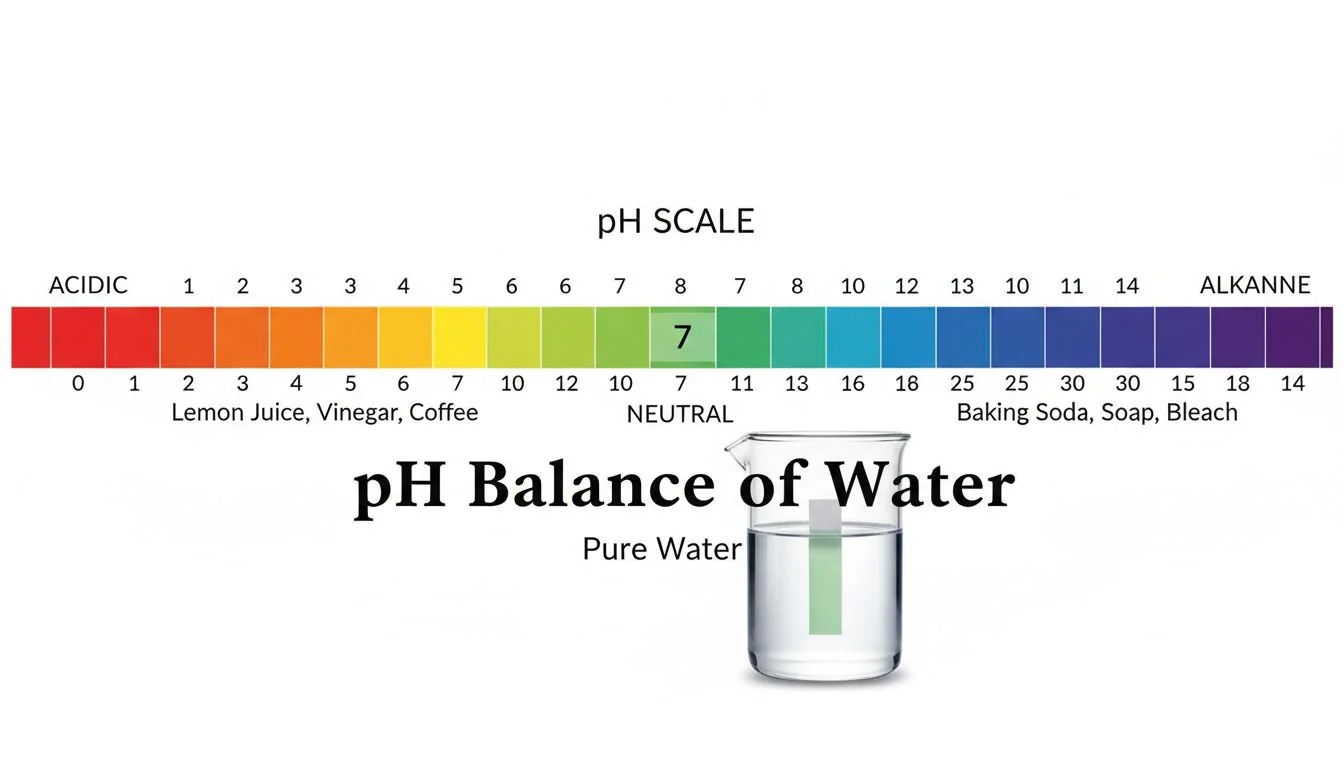
Water’s pH—that’s potential of hydrogen—is simply a scale from 0 to 14 that tells you how acidic or basic something is. Pure water, the kind that exists in a chemistry lab, has a pH of 7.0, which is perfectly neutral—right in the middle. That means it’s neither acidic (like lemon juice) nor basic (like bleach). But here’s the kicker: the water you drink from your tap is rarely exactly 7.0.
Your tap water, lake water, or even bottled water usually sits in a range of 6.5 to 8.5, depending on where it comes from. Why the wiggle room? Minerals and dissolved gases, like carbon dioxide, naturally tweak the pH. So when your cousin brags about 9.5, she’s basically drinking water that’s been deliberately made more basic—not exactly a miracle, just chemistry with marketing.
Must Read
Wait, So Is My Water “Perfect” or Not?
Let’s get real: most of us don’t test the pH of our water before chugging it. I sure don’t—unless I’m trying to impress someone at a party (it never works). For drinking water, the EPA and global health agencies say a pH between 6.5 and 8.5 is safe and fine. That’s the sweet spot for your pipes and your taste buds.
But here’s the ironic part: some people obsess over alkaline water (pH 8+) claiming it “balances your body.” Your body, by the way, already has a built-in pH master—your blood hovers around 7.35 to 7.45, and it laughs at your fancy water. Your stomach acid (pH 1.5–3.5) will instantly neutralize anything you drink. So, no, that $3 bottle won’t make you a superhero. (Sorry, cousin.)
 Mineral-Rich vs Ultra-Pure Water: What's Best for You?
What Happens When Water’s pH Goes Wild?
If your water dips below pH 6.5, it’s acidic—think rainwater or some well water. That can corrode your plumbing, leaching copper or lead into your glass. You’d likely taste a metallic, sour tang. On the flip side, water above pH 8.5 is basic or “hard,” leaving a bitter, soapy feel in your mouth (like when you rinse after brushing your teeth).
Both ends are usually safe to drink in small amounts, but not great for daily use. Your local water utility checks this stuff constantly—so unless you’re sipping from a puddle, you’re probably fine. Quick tip: if your water tastes like pennies or baking soda, call a plumber, not a pH guru.
The Fun Part: Why Your Water’s pH Changes All the Time
Let’s play detective. Fill a glass with tap water—it might be pH 7.2. Now leave it out on the counter overnight. Tomorrow, it’ll be pH 6.9 or even lower. Did the water rot? Nope. Your glass absorbed carbon dioxide from the air, which forms carbonic acid, nudging it slightly more acidic. This is why bubbly water (seltzer) is around pH 4-5—it’s literally carbonated, so it’s fizzy with acid. You’re welcome for the science flex.
 What is pH of Water?- Everything You Should Know About Water
Also, don’t freak out: rainwater is naturally pH 5.6 because of atmospheric CO2. Acid rain (from pollution) can drop to pH 4—still not a big deal for your gut. The real drama is for fish and plants, who need stable pH in rivers. So your water’s pH is a fun number, not a health crisis. (Unless you’re a trout—then yes, crisis.)
So, What’s the Bottom Line for You?
Here’s the takeaway from a thirsty person (me): pH for water is just a number between 6.5 and 8.5 that indicates how mineral-heavy or pure it is. Pure water is 7.0, but the “perfect” drinking water isn’t a specific pH—it’s whatever comes from a clean, safe source. You don’t need a $50 ionizer or a special bottle; your tap water probably already hits the target.
If you’re really curious, buy a $15 pH test kit from Amazon and test your own water. But be prepared: you might find it’s exactly 7.2, and then you’ll have nothing to brag about at parties. Me? I’ll stick to slightly acidic lemonade (pH 2, worth it) and stop worrying about my water’s “balance.” Cheers to that.
