What Is Nitrite In Water

Okay, let’s talk about something that sounds like a chemistry experiment gone wrong—nitrite in water. But don’t click away! This tiny molecule is actually a secret player in y...
Okay, let’s talk about something that sounds like a chemistry experiment gone wrong—nitrite in water. But don’t click away! This tiny molecule is actually a secret player in your everyday life, from the spinach on your plate to the plumbing in your home.
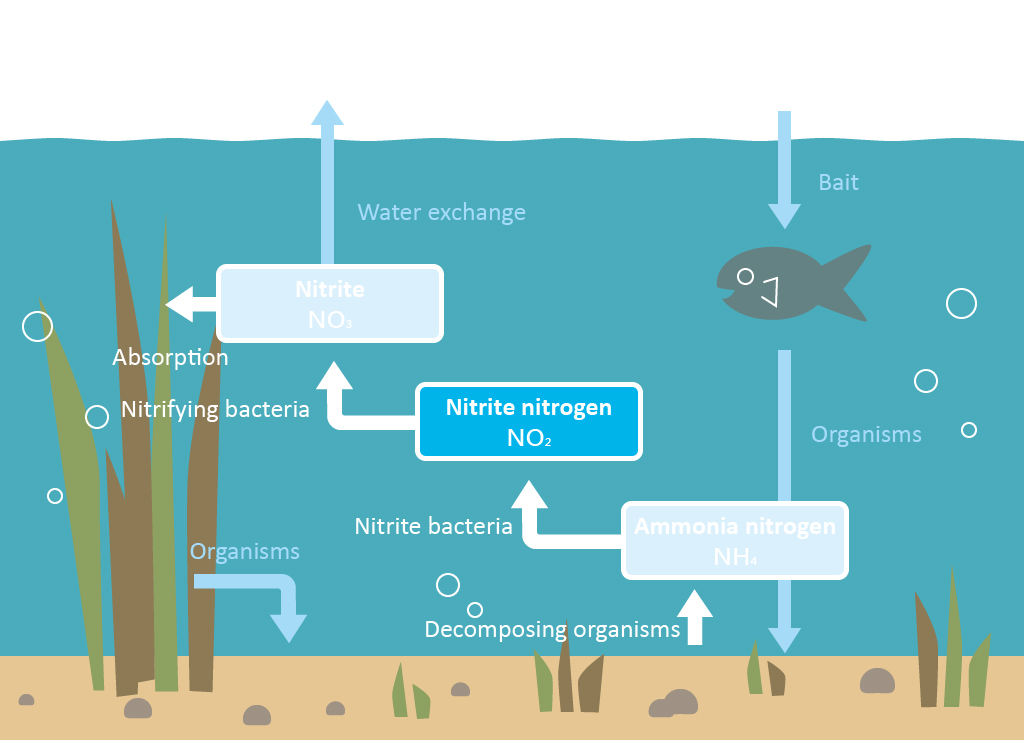
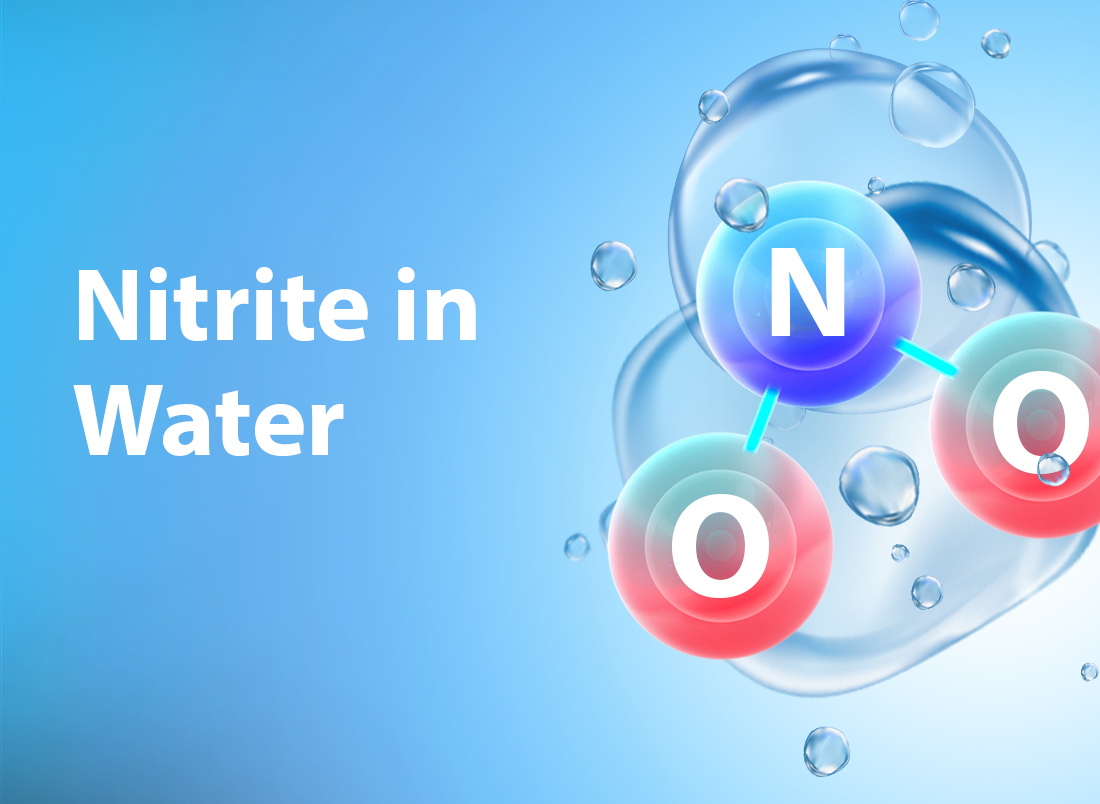
First, a quick science-y bit. Nitrite (NO₂⁻) is a natural chemical compound that forms when ammonia or nitrate breaks down—think decaying plants or fertilizer runoff. It’s a bit like the middle child of the nitrogen family: not as stable as nitrate, but way more interesting.
Here’s the fun part: a little bit of nitrite is totally normal and even healthy—your body makes it to help regulate blood flow. But too much? That’s when things get, well, less fun. High levels can interfere with oxygen in your blood, especially for babies and pets.
Must Read
Why Should You Care About It in Your Tap Water?
Because water is your daily sidekick. You use it to make coffee, wash your veggies, and splash your face after a jog. If nitrite sneaks into your system, it can steal your energy in a weird chemical way—like an invisible prankster.
But here’s the kicker: you already have a superhero squad fighting nitrite. Your water treatment plant monitors it constantly, and your kitchen faucet is basically a defense wall. Still, knowing what’s in your water turns a boring chore into a little adventure.
The Plot Twist: Nitrite Can Be Your Ally
Believe it or not, nitrite is why cured meats taste so good. That delicious ham or bacon? A dash of nitrite keeps it pink and prevents bacteria from crashing the party. And in your body, nitrite helps produce nitric oxide—the molecule that relaxes blood vessels and boosts your workout performance.
 PPT - Water Quality PowerPoint Presentation, free download - ID:4252923
So yes, the same stuff in your water jug is also in your brain, helping you think clearly. It’s a bit like finding out your neighborhood mail carrier is also a black belt in karate.
How to Make Nitrite Your Friend (Not a Foe)
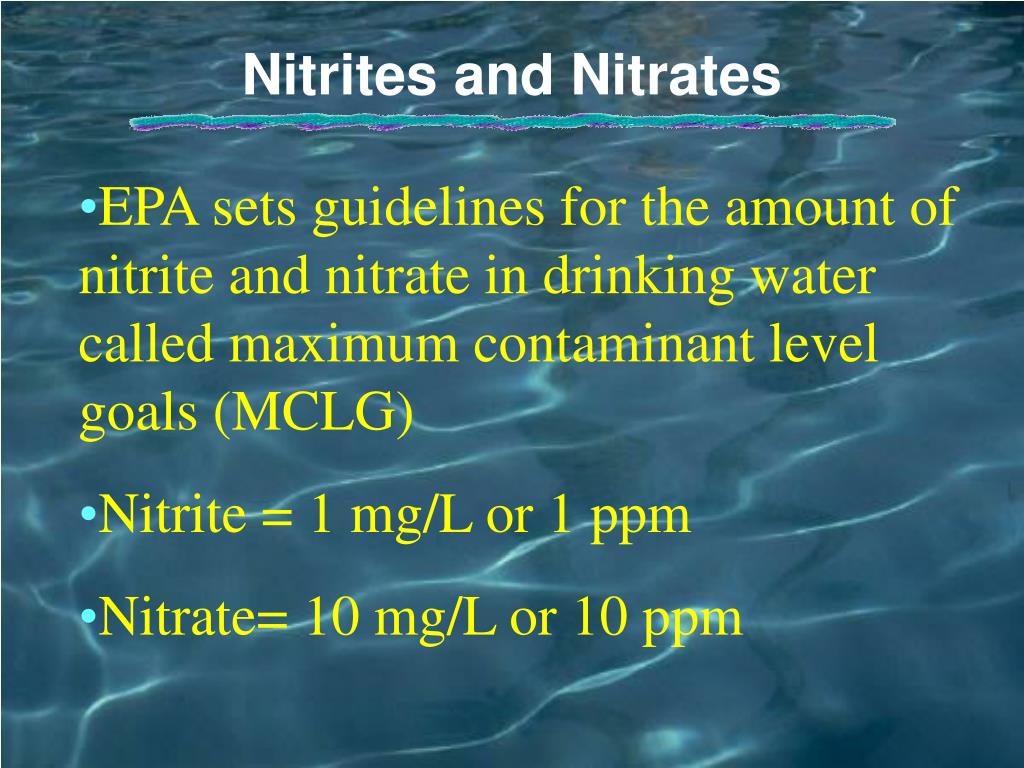
First, test your water. A simple at-home kit (costs less than a pizza) will tell you if levels are above 1 part per million. If they are, don’t panic—just boil your water for one minute. Boiling turns nitrite into harmless gas. Magic!
Second, eat your greens. Leafy veggies like spinach and beets naturally produce nitrite, but they also contain antioxidants that keep it in check. So yes, your mother was right: salad really does fix everything.
Third, laugh about it. Seriously. Stress raises cortisol, which can mess with your body’s nitrogen balance. A good chuckle actually helps your cells handle nitrite better. I’m not kidding—science backs this up.
 Nitrite in Water
The Big, Beautiful Picture
Water is a living story. Every drop carries a trace of where it’s been—through rock, rain, and your garden hose. Nitrite is just one chapter, a tiny plot twist that reminds you you’re part of a vast, interconnected planet.
When you understand nitrite, you start seeing chemistry everywhere: in the blush of a sunset (nitrogen oxides in the air), in the fizz of a soda (carbon dioxide, but you get the idea), and in the way your heart pumps after a walk.
So next time you pour a glass of water, give it a wink. That tiny nitrite molecule? It’s not a villain. It’s an invitation—to learn, to care, and to feel a little more alive in a world that’s constantly, beautifully reacting.
Go ahead, test your water, eat a beet, and laugh until your cheeks hurt. You’ve got this. And now you’ve got a new superpower: knowing what’s really in your glass.
