What Is The Tds Of Water

Ever stared at a glass of water and wondered, “What’s really in there besides wet?” I’m talking about TDS, or Total Dissolved Solids. It’s not a science experiment you need a...
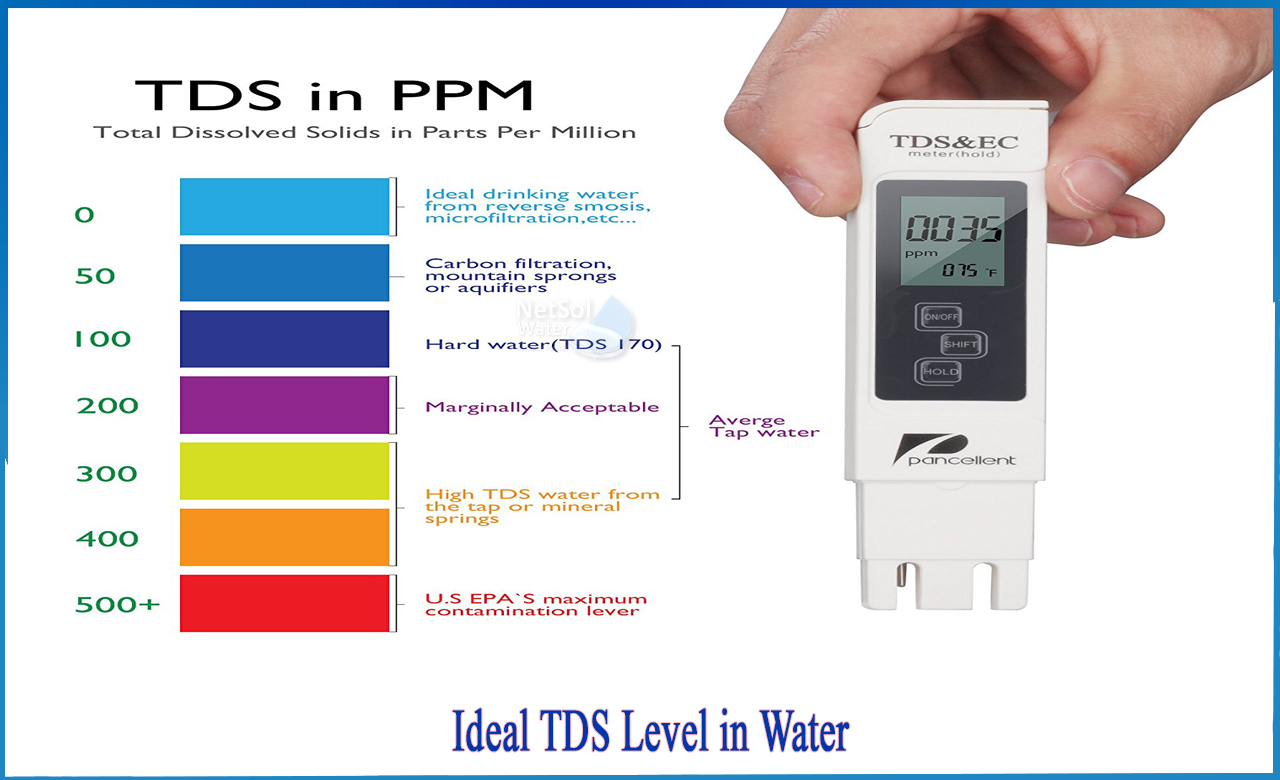
Ever stared at a glass of water and wondered, “What’s really in there besides wet?” I’m talking about TDS, or Total Dissolved Solids. It’s not a science experiment you need a lab coat for—it’s the secret life of your water!
So, What Exactly Is TDS?
Imagine tiny, invisible hitchhikers floating in every sip you take. TDS measures everything dissolved in your water: minerals like calcium, magnesium, and potassium, plus salts and even a little irony. These are the good guys—and sometimes the not-so-good guys—that give water its personality.
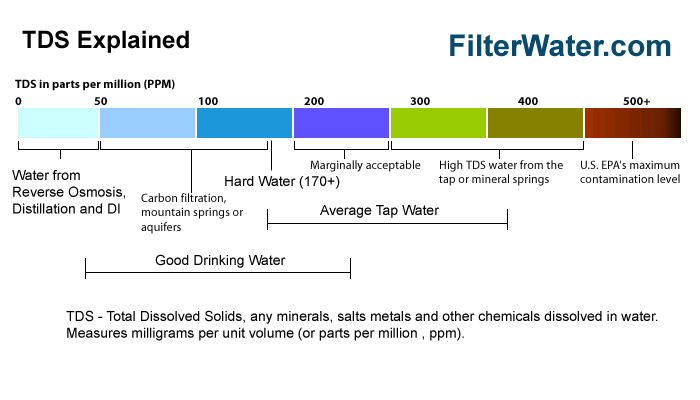
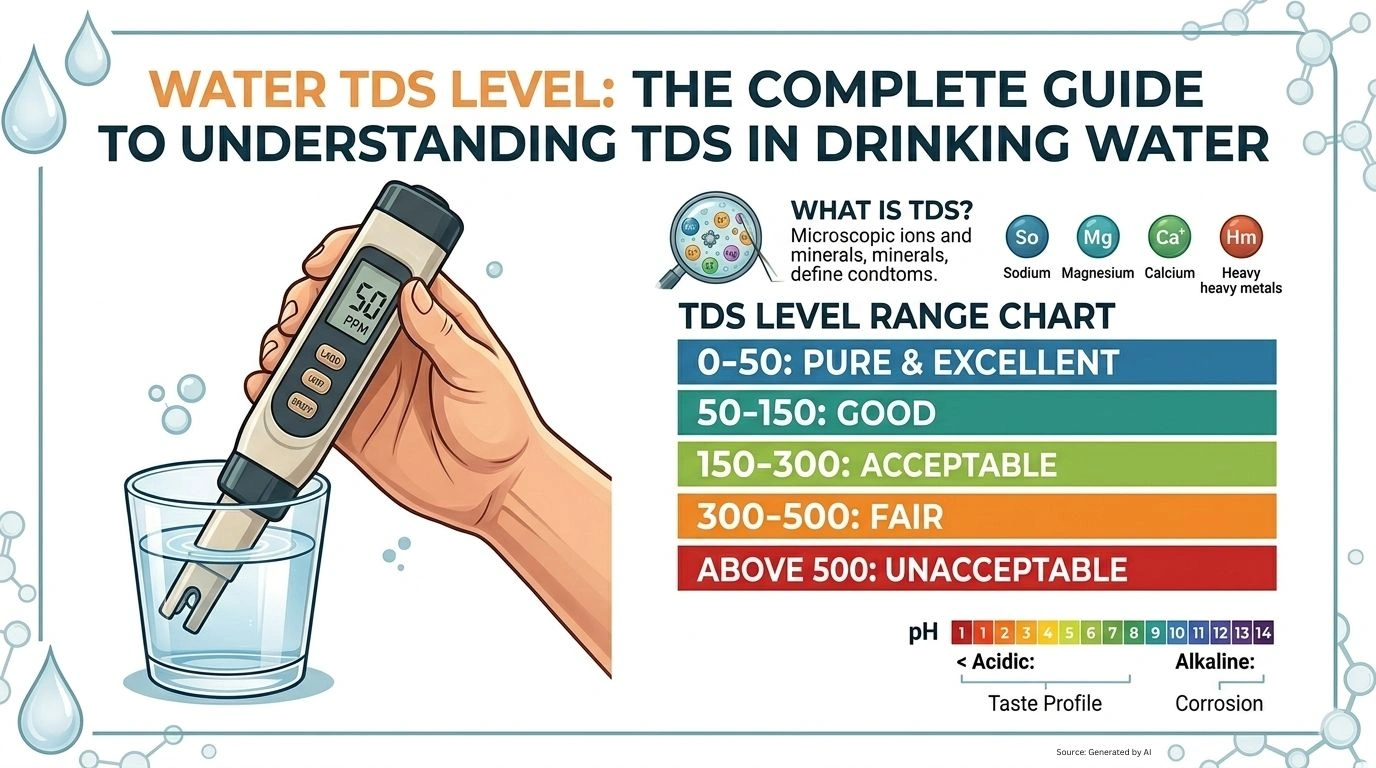
Think of it like a fingerprint for your tap. A low TDS might taste “flat” or “hollow,” while a balanced TDS (say, 150–300 ppm) often feels crisp and refreshing. Your taste buds are actually detecting these invisible guests!
Must Read
Is High TDS Bad? (Spoiler: Not Always)
Here’s where it gets fun: high TDS isn’t automatically evil. In fact, many premium bottled waters boast TDS levels over 500 ppm—that’s why they taste mineral-rich and complex. A splash of San Pellegrino? That’s basically a concert of dissolved solids.
But really high TDS—like over 1,000 ppm—can make water taste salty, bitter, or metallic. That’s your water shouting, “Hey, I’ve got too many party guests!” And it does matter for things like your coffee maker or fish tank.
How to Measure TDS (No Diploma Required)
You don’t need a chemistry set. Grab a $15 TDS meter from any online store—it looks like a fancy thermometer. Dip it in your glass, and bam—it gives you a number like 180 ppm.
 What Should Be The Tds Of Bathing Water
Or do the old-school test: see how much your tap water leaves spots on your glasses. Leftover white gunk? That’s calcium dancing in the dissolved solids spotlight. A fun party trick? Measure your tap, then your fridge filter, then a rain puddle—compare the differences!
Why Should You Care? (Because Life Gets More Fun)
Knowing your water’s TDS turns drinking from boring into a little adventure. You’ll start wondering why that mountain spring tastes so sweet (often TDS under 50 ppm). Or why your morning tea tastes “flat” in a new city—blame the mineral mismatch.
It also saves you money. If your TDS is low, you might not need an expensive filter—just a simple carbon one. If it’s high, a reverse osmosis system becomes your hero. Suddenly, you’re the smart water guru at every dinner party.
 Water TDS Level: The Detailed Guide For Drinking Water TDS | ZeroB
The Hidden Health Angle
Here’s the uplifting part: desirable TDS means you’re sipping essential minerals your body loves. Calcium for bones, magnesium for your heart—your water can be a natural multivitamin. No pills, just hydration.
But don’t panic if your TDS is very low. Some of the best-tasting bottled waters in the world score under 10 ppm (like distilled or reverse-osmosis water). Your body is incredibly adaptable—it’ll thrive either way.
Final Sip of Inspiration
So the next time you fill a glass, think of it not as plain H₂O, but as a tiny mineral bouquet with a story to tell. Your water is alive with invisible friends—some grouchy, some generous—all shaping the taste and feel of your day.
Get curious. Buy that cheap meter, taste different waters, and feel the difference. Because understanding TDS isn’t about being a “water snob”—it’s about finding joy in the very thing that keeps you glowing. Cheers to exploring every single drop, and remember: clarity (in water and in life) starts with a little curiosity!
