How To Check Ph In Water

Let’s talk about water. Not just any water, but your water. The stuff you drink, shower in, and use to keep your houseplants alive (or tragically drown them). Have you ever wo...
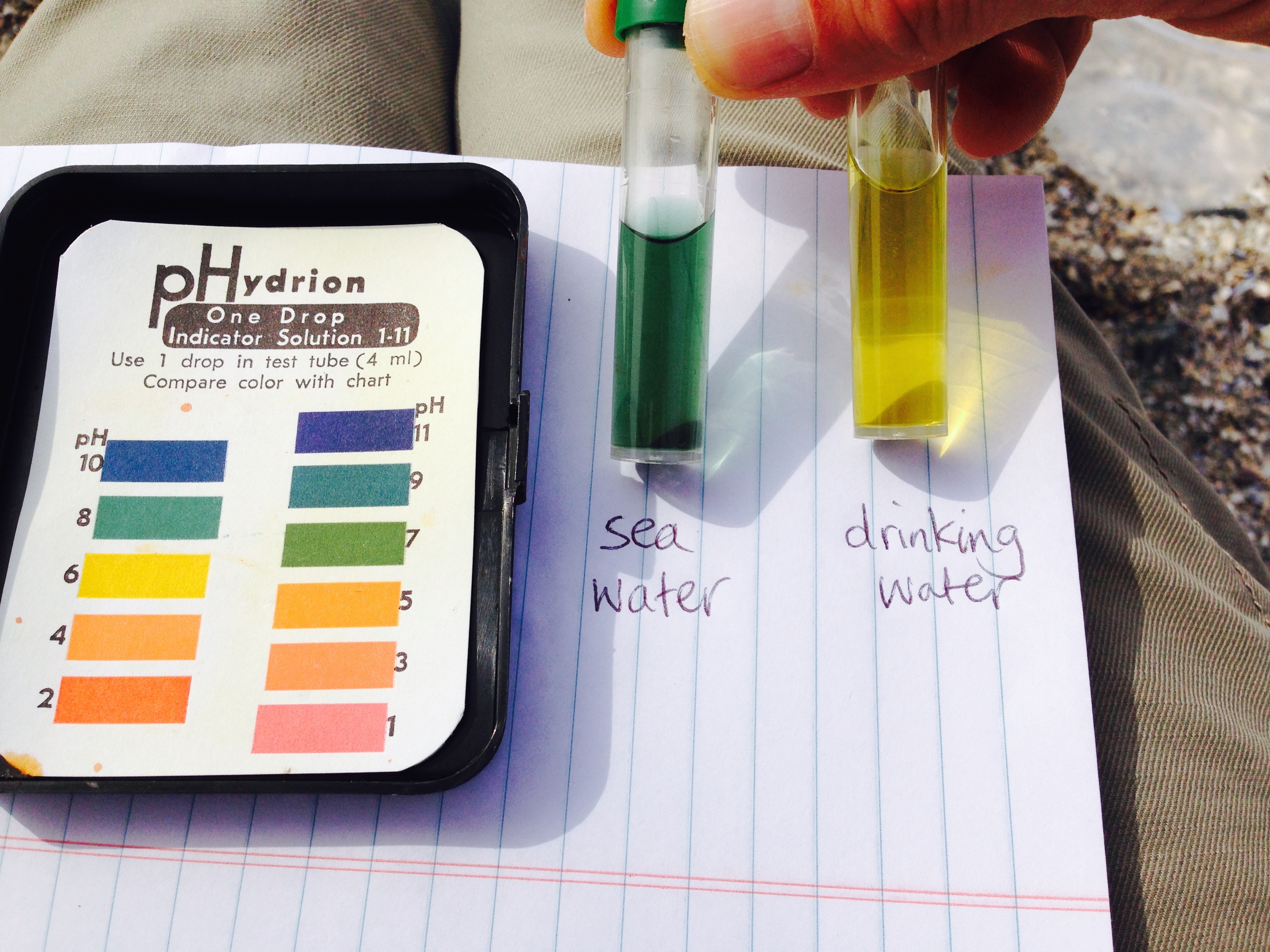
Let’s talk about water. Not just any water, but your water. The stuff you drink, shower in, and use to keep your houseplants alive (or tragically drown them). Have you ever wondered if it’s secretly acidic or a little too basic? It’s a whole hidden personality test for H₂O.
Checking pH is like being a water detective. You’re hunting for a number between 0 and 14. Seven is neutral—pure, boring, perfect. Below 7? That’s acidic (think lemon juice or battery acid, just way less dramatic). Above 7? That’s alkaline (like baking soda or soap). Your tap water usually hangs out around 6.5 to 8.5. Fun, right?
Why Should You Even Care?
Because water pH affects everything. Too acidic? It can corrode your pipes and make your morning coffee taste like a tin can. Too alkaline? It can make your skin feel squeaky-clean but also dry it out like a desert. Your fish tank’s pH is a life-or-death drama for those little swimmers.
Must Read
Quirky fact: Rain is naturally acidic (around 5.6) thanks to CO₂ in the air. But “acid rain” from pollution can drop to 4.0. That’s strong enough to eat statues! Your garden hose water? Probably not that dramatic, but still worth knowing.
Method 1: The Classic Test Strips
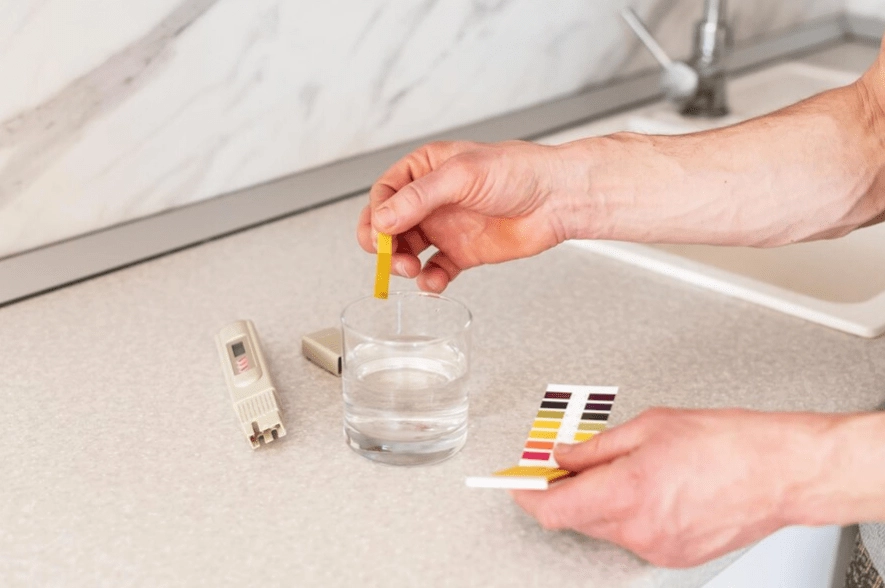
This is the easiest, cheapest way. Grab a pack of pH test strips. They look like tiny, magic wands. Dip one in your water for a few seconds. Wait. Watch the strip change color like a mood ring.
Compare that color to a chart on the bottle. It’s like a toddler’s coloring book, but for science. Pink or red means acidic (like a sour candy). Blue or purple means alkaline (like a blueberry smoothie). Green? You’re neutral—boring but beautiful.
Don’t be afraid if your water turns bright orange. It’s okay. You’re just drinking something a step above a lemon. (You might want to fix that, though.)
Method 2: The Liquid Drop Kit
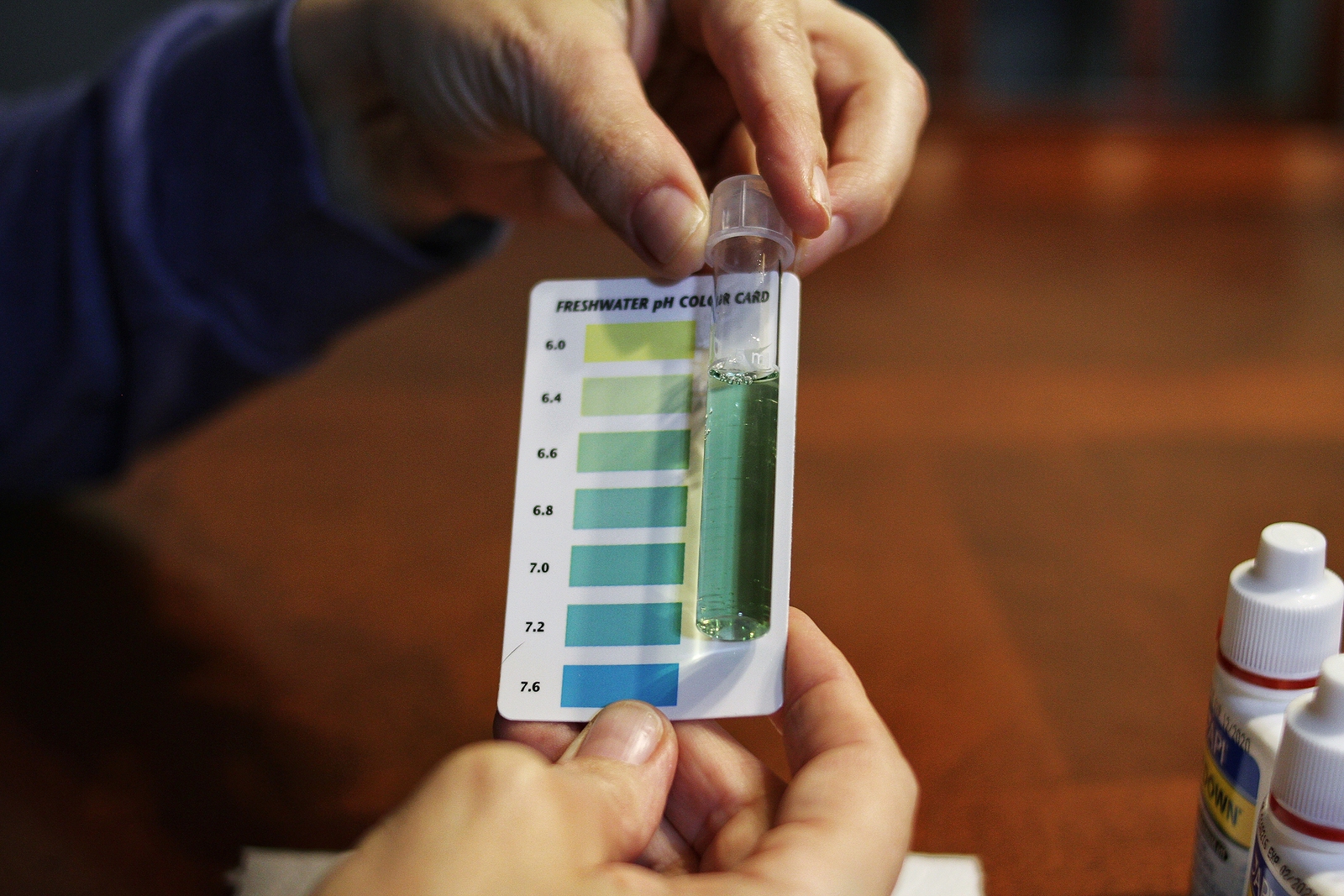
Fancy, right? You get a little vial and a bottle of reagent liquid. Fill the vial with water. Add a few drops of the reagent. Cap it. Shake it like a Polaroid picture. Watch the liquid change color instantly.
This is more dramatic than strips. You feel like a mad scientist in a tiny lab coat. The color shift is immediate. Yellow screams “acid!”. Dark blue whispers “alkaline!”. It’s the same principle as the strips, but with more shaking and splashing.
 What is the PH Value of Water: All You Need to Know About It
Warning: Don’t drink the reagent. It’s not delicious. It’s chemicals. Keep it away from pets and toddlers who think everything is juice.
Method 3: The Digital pH Meter (Mr. Fancy Pants)
This is for the tech nerds. You buy a device that looks like a thermometer from a spaceship. Stick it in the water. Wait a second. A number appears on a screen. Boom—instant precision. No guessing colors.
It’s cool, but you need to calibrate it. Calibration means dipping it in a special “buffer solution” first. Annoying, but worth it. The accuracy is insane. You’ll know your water’s pH to the hundredth decimal. Overkill? Maybe. Awesome? Absolutely.
Fun downside: They need batteries. And they die at the worst moment—right when you’re trying to test your pool water before a party. Keep spares.
Method 4: The Red Cabbage Hack (Your Inner Wizard)
This is the wildest method. Boil some red cabbage. You get a purple liquid. That liquid is a natural pH indicator. It changes color based on acidity or alkalinity. Pour a bit of your water into the cabbage juice. Watch the magic.
If it turns pink, your water is acidic. If it turns green or yellow, it’s alkaline. If it stays purple? Neutral. It’s a science experiment you can eat (well, the cabbage part). Your kitchen smells like a salad, but you feel like a medieval alchemist.
 Ph Of Drinking Water Test | How To Measure Ph In Water – RYJIWN
Pro tip: Don’t try this with beet juice. It’s too messy. You’ll stain your countertop and your dignity.
What Your Results Actually Mean
Got pH 6.0? Don’t panic. Many municipal waters are slightly acidic. It’s not poison. But if you’re a gardener, acidic water can mess with your tomato plants. They like slightly acidic soil, not acidic water. Confusing, yes.
Got pH 9.0? That’s very alkaline. It might taste a bit like chalk. Some people buy alkaline water for health reasons. The science is shaky, but the marketing is strong. Just know that very alkaline water can irritate your stomach.
Remember: The ideal pH for drinking water is between 6.5 and 8.5. That’s the official recommendation from the WHO (World Health Organization—not the band). Stay in that zone, and you’re golden.
A Few Quirky Takeaways
Checking pH is fun because it reveals secrets. Your tap water might be a sneaky little acid demon. Your bottled spring water might be a chill, neutral friend. Your rainwater? It’s naturally a mild acid—nature’s own sour candy.
You can even test your own saliva or urine for kicks. It changes after you eat. Drink orange juice? Your mouth becomes a mini acid bath. Eat a cracker? It swings back to neutral. Your body is a constant pH circus.
So go grab a test strip, a cabbage, or a fancy meter. Dip it. Watch it. Laugh at the colors. You’re now a citizen scientist with a superpower: you know what your water is really up to. And that’s just plain fun.
