How To Reduce Hard Water

You know that feeling when you step out of the shower and your skin feels like it’s been shrink-wrapped in cling film? Or when your once-shiny coffee pot looks like it’s been...

You know that feeling when you step out of the shower and your skin feels like it’s been shrink-wrapped in cling film? Or when your once-shiny coffee pot looks like it’s been through a blizzard of chalk dust? Welcome to the world of hard water—that sneaky mineral bully that leaves your hair looking like straw and your dishes sporting mysterious white polka dots. It’s like the water itself decided to become a tiny, annoying houseguest who leaves fingerprints on everything.
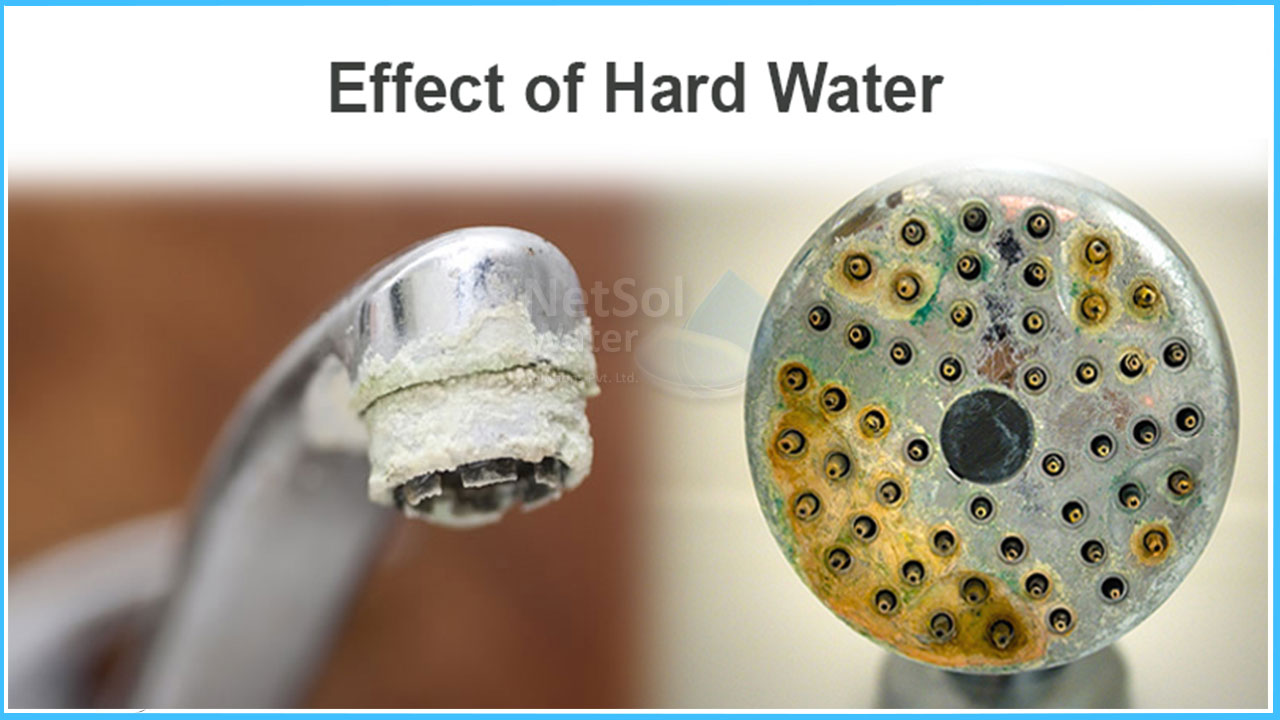
Hard water is basically liquid envy from the ground. As rain filters through limestone and chalk, it picks up calcium and magnesium—two minerals that think they’re the life of the party, but really just gum up the works. Your faucets get crusty, your soap stops lathering, and your laundry feels stiff enough to stand up on its own. But don’t worry, you don’t need a chemistry degree or a plumber’s salary to fight back—just a few easy-going tricks.
The Vinegar Trick: Your Pantry’s Secret Weapon
If hard water is the villain in your kitchen saga, white vinegar is the oddball hero nobody saw coming. It’s the acid that dissolves those calcium deposits like a grumpy teenager dissolving homework. Fill a spray bottle with equal parts vinegar and water, and let it sit on your faucets or showerhead for about ten minutes. The mineral crust will wipe away like butter—okay, maybe like cold butter, but you get the idea.
Must Read
I once let my coffee maker get so crusty that it started making coffee that looked like muddy dishwater. A vinegar rinse through the brew cycle twice, and suddenly my morning joe tasted like it was brewed by a barista in a fancy apron. Just remember: run plain water afterward, or your coffee will taste like you’re pickling your insides.
For stubborn spots on glasses or dishes, soak them in straight vinegar overnight. That foggy film? Gone. It’s like giving your dishes a spa day, except the spa smells like a salad bar.
Lemon Juice: The Zesty Backup
If the smell of vinegar makes you wince, lemon juice is your cheerful sidekick. It’s basically the same chemical magic—tartaric acid—but with a summer vibe. Rubbing a lemon half on your faucet or showerhead is like giving your plumbing a citrus facial. The mineral deposits fizz and dissolve, leaving behind a scent that screams “fresh laundry” instead of “science experiment.”
 How To Reduce Hardness In Boiler Water at Ian Milligan blog
I had a showerhead that looked like a fossilized coral reef. After a lemon rubdown and a rinse, the water pressure jumped from a sad trickle to a proper waterfall. My morning shower went from “meh” to “ahhhh” in five minutes flat.
Boiling Water: The Lazy Genius Hack
Here’s a trick that feels too simple to work: boil your water. When you bring hard water to a boil, those minerals precipitate out—fancy talk for “they sink to the bottom like a bad idea at a party.” Let the water cool, and you’ll see a white sludge at the bottom. Pour the clean water off the top, and you’ve got softer water for your kettle or pasta pot. It’s like making hard water say “uncle.”
This won’t solve your whole house problem, but it’s perfect for one-off fixes. The next time you’re boiling pasta, just pour off the top layer and watch your sauce come out silky instead of gritty. Your taste buds will thank you, even if your plumbing won’t.
The Dishwasher Rescue Mission
Your dishwasher is a crime scene for hard water. Those white spots on glasses? They’re not seasoning—they’re mineral graffiti. The easiest fix is a rinse aid—a liquid you pour into a tiny compartment that makes water sheet off dishes instead of beading up. Brands like Jet-Dry are the bodyguards of glassware. If you’re out of rinse aid, try a tablespoon of white vinegar in the rinse cycle. It’s like giving your dishwasher a shot of espresso.
 How To Reduce Water Hardness In Pond at Hannah Rowlandson blog
For a deeper clean, run an empty cycle with two cups of vinegar in a cup on the top rack. This strips away the mineral film from the machine’s guts. I did this once and my dishwasher started humming like it was happy again. No joke—it sounded less grumpy.
The Softener Shortcut
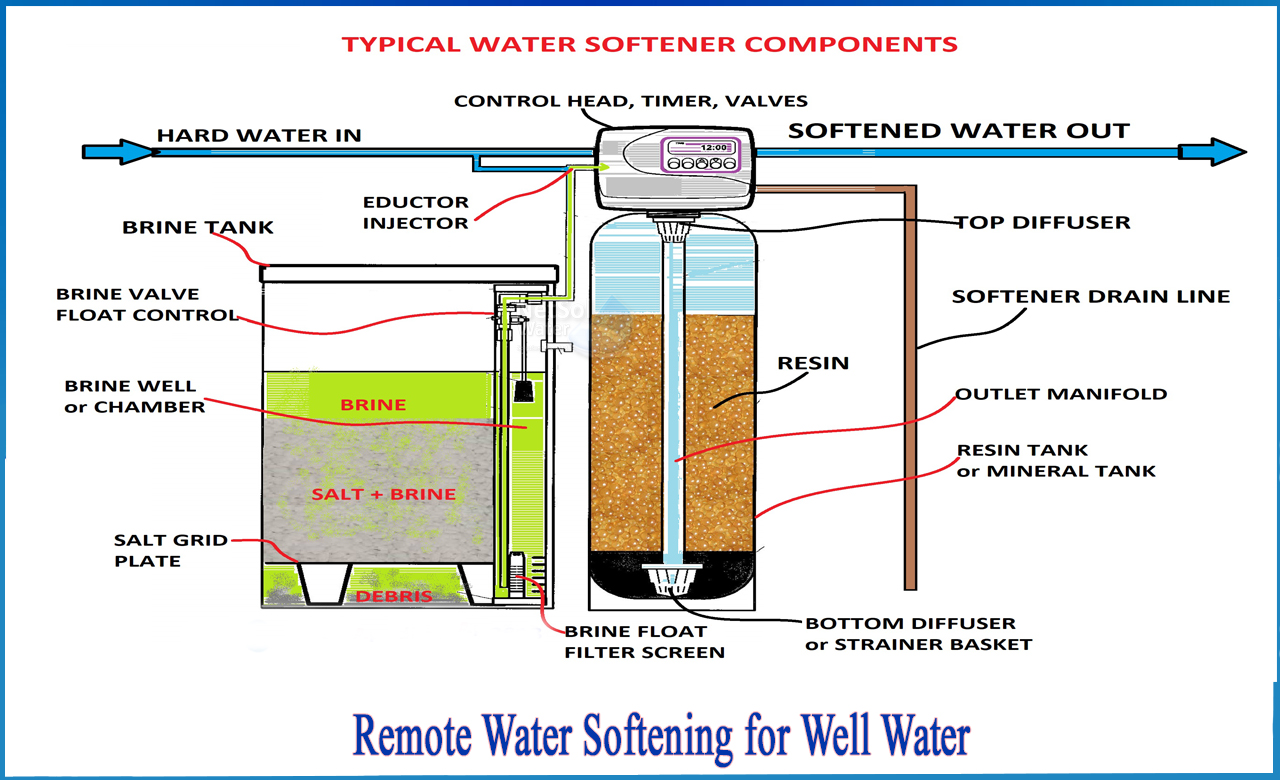
If you’re ready to go all-in, a water softener is the nuclear option. It’s a machine that pulls calcium and magnesium out of the water before it reaches your taps. Think of it as a bouncer at the door of your pipes, only letting the good stuff in. They use salt pellets to do the job, so you’ll need to refill the brine tank every few months—like feeding a very lazy pet rock.
Installation can be a DIY project if you’re handy, or a plumber’s half-day job. The payoff? Silkier skin, shinier hair, and soap that actually lathers. Your towels will feel like clouds instead of sandpaper. My friend got one installed and now she keeps touching her own arms because they’re so soft. It’s weird, but I get it.
One Last Anecdote
I once tried to descale my iron with vinegar, but I forgot to rinse it. The next shirt I ironed smelled like a pickle. Hard water is persistent, but you are smarter. Keep a spray bottle of vinegar under the sink. Play around with lemon. Embrace the rinse aid. Before you know it, your hard water will become a distant memory—like that one roommate who never did the dishes. You’ll laugh about it someday. Probably over a spotless glass of iced tea.
