How To Distill Tap Water

Okay, so you’re sitting there, staring at a glass of tap water. It’s fine. It’s probably fine. But that little voice in your head is whispering about minerals, chlorine, and w...
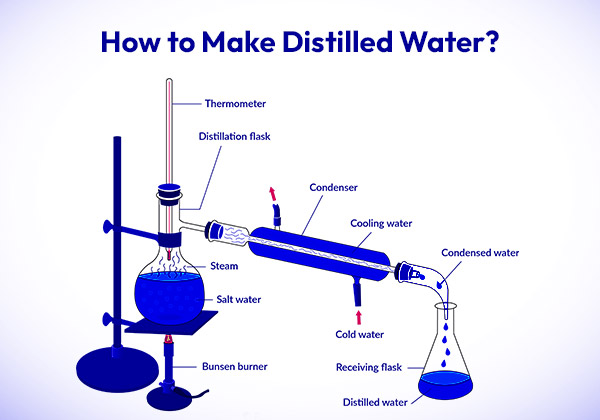
Okay, so you’re sitting there, staring at a glass of tap water. It’s fine. It’s probably fine. But that little voice in your head is whispering about minerals, chlorine, and whatever else might be lurking. You want pure water. You want distilled water. And guess what? You can totally make it yourself, right there in your kitchen. It’s easier than you think, and way more fun than buying those plastic jugs.
Let’s be real: you don't need a lab coat or a chemistry degree. You just need a little patience and some basic stuff you probably already own. Distillation is basically nature’s water filter, but speed-run. You boil water, catch the steam, and let it cool back into liquid. That’s it. The bad guys—minerals, heavy metals, that weird metallic taste—all stay behind.
What You’ll Need (The Laundry List)
First, a big pot with a lid. The lid should be dome-shaped if you can swing it. Flat lids work, but domes are the rockstars here. You also need a heat-safe bowl or glass measuring cup that fits inside the pot. And ice. Lots of ice. Oh, and water from your tap. Congrats, you’re halfway to mad scientist status.
Must Read
Here’s the trick: you’re going to place that bowl or cup right in the center of the pot. Don't let it touch the bottom directly? Actually, let it float or sit on a little trivet if you have one. The bowl is your collection cup for the pure water. It needs to be higher than the water level in the pot. We’re doing reverse swimming pool logic.
The Actually-Doing-It Part
Fill the pot with tap water until it’s about halfway up the sides of your bowl. Don’t drown the bowl! You want the water to boil and bubble, not flood your collection zone. Now put the lid on the pot, but turn it upside down. Yes, really. The curved part should be pointing down into the pot. This is the condensation secret weapon.
Turn up the heat. Let that water come to a rolling, happy boil. Then, pile ice cubes on top of that upside-down lid. The ice chills the lid, the steam hits it, and—poof—it turns back into liquid. That liquid drips down the lid’s slope and falls right into your waiting bowl. It’s like a tiny indoor rainstorm, and you are the weather god.
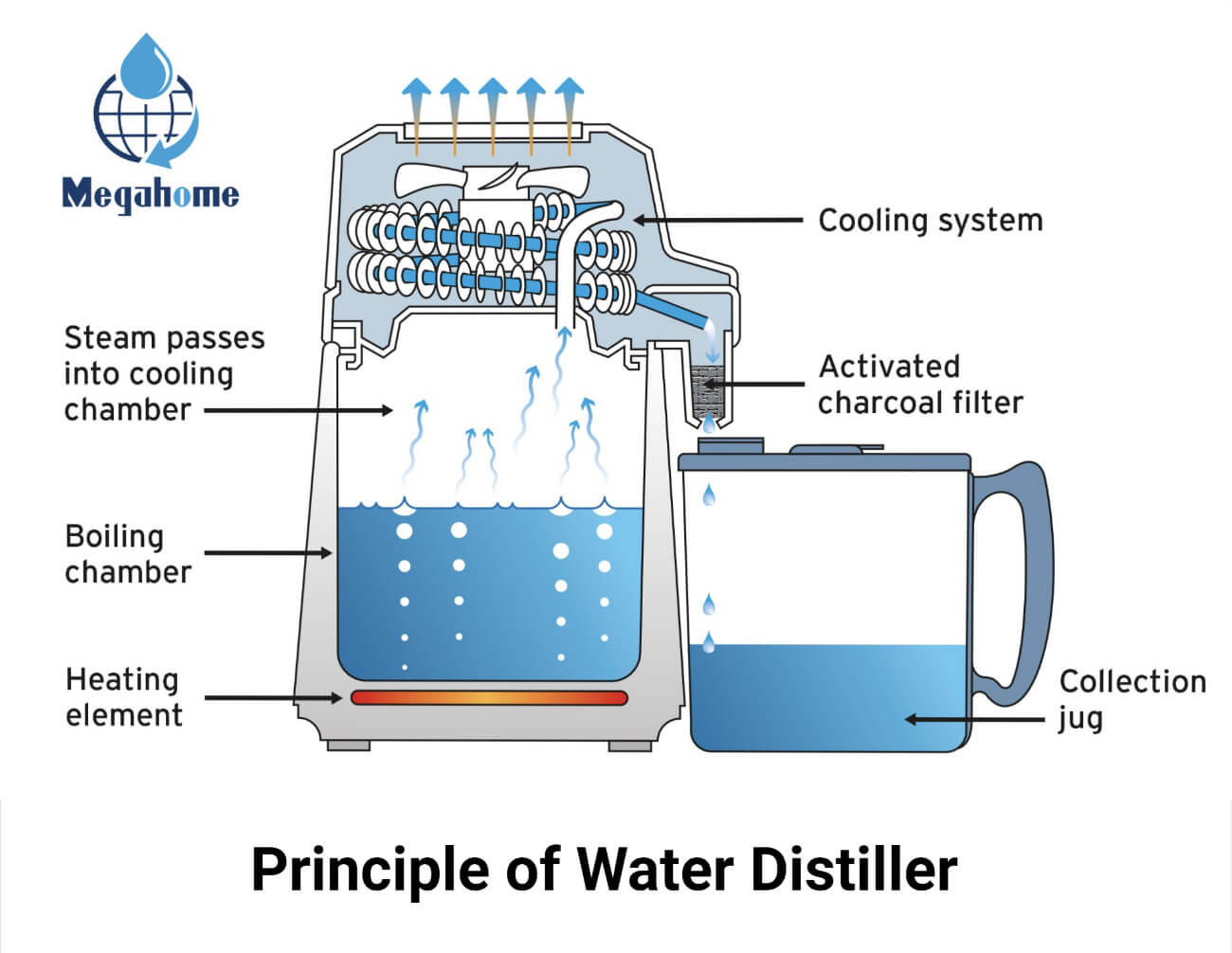 Water Distillation
The Waiting Game (It’s Not That Bad)
You’ll need to let this go for 30 to 45 minutes. I know, I know, that feels like an eternity when water is boiling. But think of it as a podcast episode or two. Just keep that ice topped up. If the lid gets warm, the magic stops. Cold lid = happy drops. Hot lid = sad, confused steam.
Every now and then, peek inside (carefully!) to see progress. You’ll notice the bowl slowly filling up. It’s weirdly satisfying. Like watching a very slow, very pure water fountain. Don’t let the pot run dry, though. That’ll ruin your pot, your water, and your day.
Troubleshooting (Because Stuff Happens)
Your water is taking forever? Your heat is too low. Crank it up. Your lid is too warm? Add more ice. Your bowl is floating into the pot’s side? You used too much water. Adjust. You’re learning. This is craft, my friend.
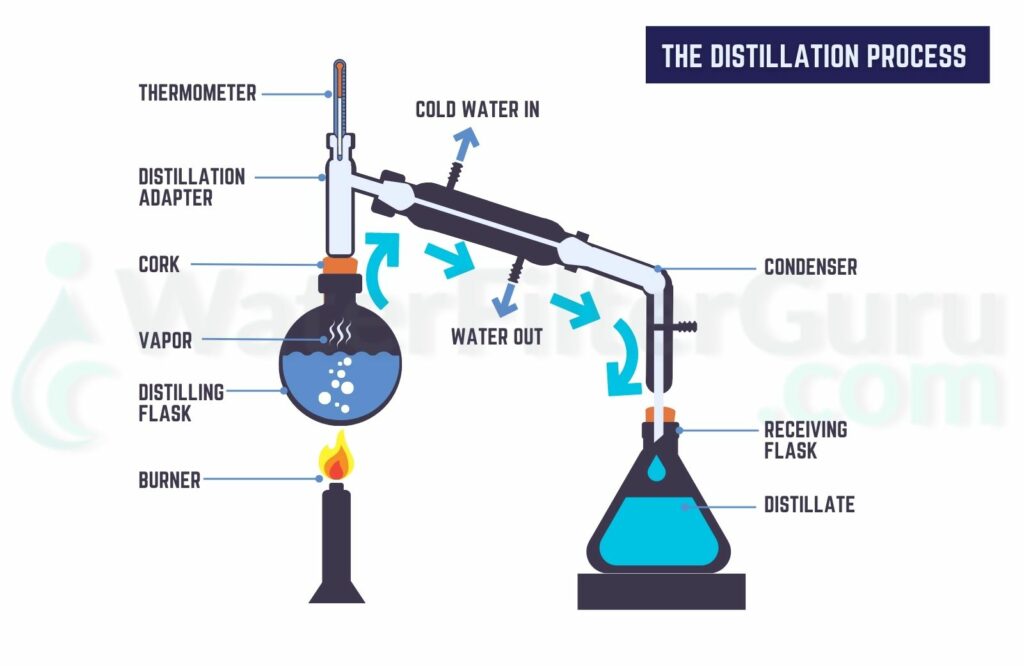 What is Distilled Water? (Everything You Need to Know)
What if the distilled water tastes flat when you’re done? That’s normal! Distilled water has no minerals, so it tastes “empty.” Some people add a pinch of salt or a squeeze of lemon. Or you can just drink it and feel superior. Your call.
Is This Worth It? (Let’s Be Honest)
Honestly? For everyday drinking, it’s a bit of a production. But for a gallon of pure stuff for your iron, your humidifier, or your pet iguana? Absolutely. You’ll feel like a pioneer, or a chemist, or a very efficient cloud. Plus, you saved money and avoided a trip to the store.
So go ahead. Try it. Embrace the tiny kitchen rainstorm. And when someone asks where you got that crisp, pure water, just smile and say, “I made it.” They’ll think you’re a genius. And you kind of are.
