Why Is My Hair So Flaky

So, You’ve Got a Blizzard on Your Shoulders? You just gave your head a good scratch, and suddenly it looks like a snow globe exploded on your dark t-shirt. We’ve all been ther...
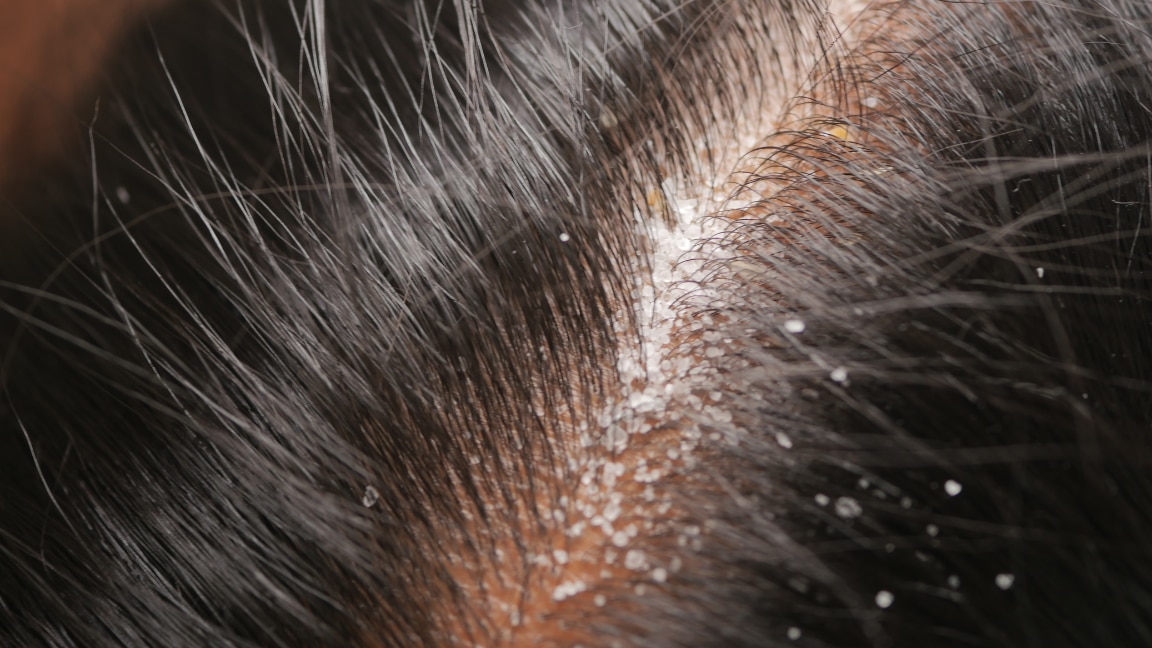
So, You’ve Got a Blizzard on Your Shoulders?
You just gave your head a good scratch, and suddenly it looks like a snow globe exploded on your dark t-shirt. We’ve all been there. It’s not snowing outside, but your scalp is throwing its own personal winter festival.
Before you panic and blame your shampoo, let’s get one thing straight: flaky hair is almost never about bad hygiene. In fact, overwashing might be the real traitor here. You aren’t dirty; you’re just hosting a tiny, invisible drama club on your head.
The Usual Suspect: Dandruff (A Mild Villain)
First up, the most common culprit: dandruff. This isn’t dry skin; it’s actually a yeast party. A teeny-tiny fungus called Malassezia lives on everyone’s scalp, feasting on your natural oils like a lazy roommate eating all your snacks.
Must Read
When this fungus gets too wild, your scalp gets inflamed and speeds up skin cell turnover. The result? Big, greasy flakes that stick to your hair like clingy exes. Fun fact: these flakes are actually clumps of dead skin cells that rushed to the surface too quickly, glued together with oil.
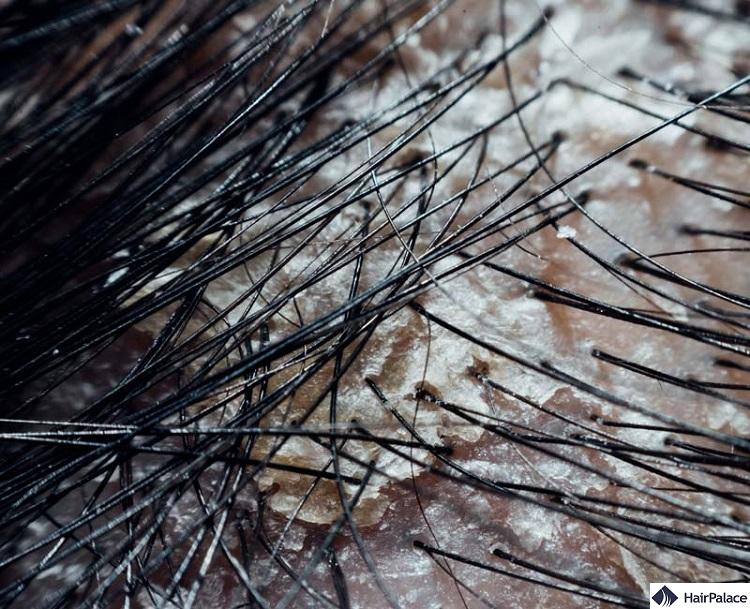
So, if your flakes are yellowish and oily, you’ve got classic dandruff. The fix is easy: grab a shampoo with zinc pyrithione or selenium sulfide. It’s like calling pest control on the fungus, but way less dramatic.
But Wait—What If It’s Dry Scalp?
Here’s where it gets tricky. Dry scalp looks like dandruff’s introverted cousin. The flakes are small, white, and dry—like powdered sugar on a donut. They also fall off faster than your New Year’s resolution.
Dry scalp happens when you wash with hot water, use harsh shampoos, or live in a desert (or, you know, a heated apartment in winter). Surprising fact: your scalp has its own microbiome—a community of bacteria—that gets wrecked by stripping shampoos. When that ecosystem collapses, dryness ensues.
The solution: moisturize. Use a gentle, sulfate-free shampoo and apply a few drops of jojoba oil. Your scalp isn’t a frying pan, so stop treating it like one.
 Itchy Scalp and Hair Loss: Is There a Connection?
Are You Scratching Too Hard? (Stop That.)
Be honest: when you feel a flake, do you dig into your scalp like you’re mining for gold? Yeah, that’s making it worse. Scratching creates micro-injuries that inflame the skin, causing even more flakes to form. It’s a vicious cycle, like eating spicy food because your mouth is on fire.
Instead, use a gentle scalp brush in the shower. It exfoliates without the violence. Your head deserves a spa day, not a cage fight.
The Sneaky Dehydrator: Hot Showers
I know, I know—a scalding hot shower feels like a hug from a dragon. But that heat strips your scalp of its protective oils. You’re literally boiling the moisture out of your skin.
Try washing with lukewarm water. Your soul will protest, but your scalp will throw you a thank-you parade. Bonus surprise: cold water actually helps seal the hair cuticle, reducing future flaking. You don’t have to go full polar plunge—just don’t crank it to “lava.”
What About That Weird Condition Called Seborrheic Dermatitis?
If your flakes are thick, yellowish, and your scalp feels red or itchy, you might have seborrheic dermatitis. It’s like dandruff’s angsty older sibling. It’s a chronic inflammatory condition, and it’s incredibly common—affecting about 3% of the population.
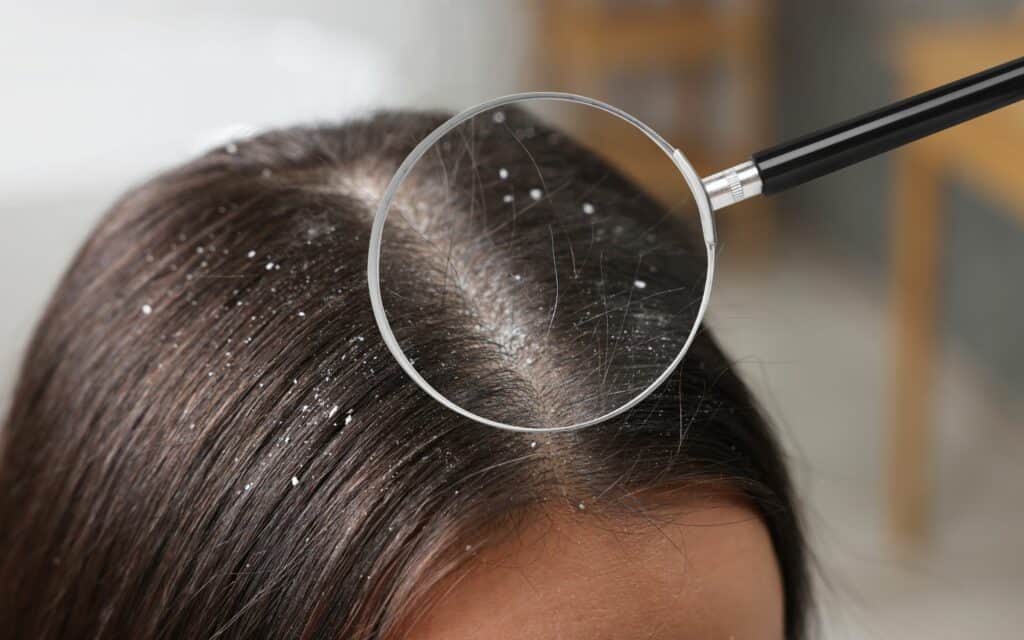 Flaky Scalp: Causes, Treatments & Prevention Tips
This isn’t something you can fix with a $2 shampoo. You might need a medicated wash with ketoconazole or even a prescription from a dermatologist. Don’t panic—it’s manageable. Think of it as a high-maintenance pet that requires regular grooming.
Wait, Is It the Weather? (Yes, Seriously.)
Your scalp is basically a weather vane. In winter, low humidity sucks moisture out of your skin. In summer, sweat and sunscreen clog your pores. Your hair flakes can literally be a reaction to the forecast.
Fun fact: one study found that dandruff peaks in autumn and winter. So if your head looks like a snowstorm in November, it’s not your fault—it’s global warming’s fault. (Okay, not exactly, but it’s a good excuse.)
The Final Truth: You’re Probably Overcomplicating It
Here’s the punchline: most flaky scalps are easily fixed with a good shampoo routine. Wash your hair 2-3 times a week with a medicated shampoo, let it sit for 5 minutes, and stop treating your head like a scratching post.
If that doesn’t work after a month, see a doctor. You might have psoriasis, eczema, or just a bad case of “worrying about it too much.” And if all else fails? Wear a white shirt. The flakes blend right in. Problem solved.
Now go forth and shampoo—gently, please. Your scalp has feelings too.
