Why Is Our Water Yellow

Picture this: you turn on the tap, expecting crystal clear water, and instead you get a stream that looks like weak iced tea. Your first thought might be that something is wro...
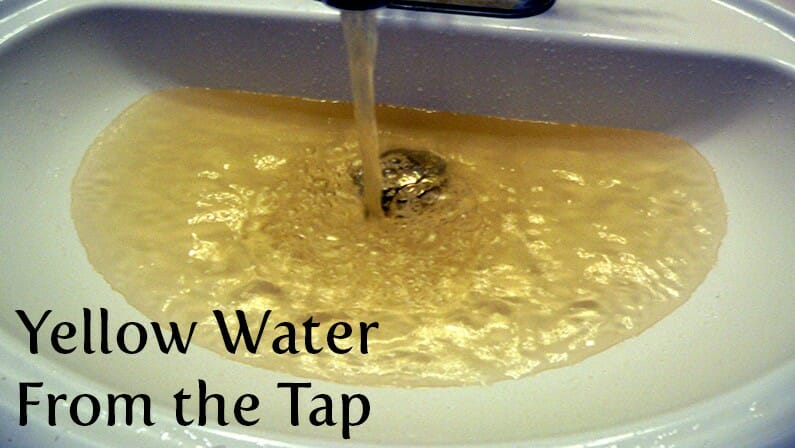
Picture this: you turn on the tap, expecting crystal clear water, and instead you get a stream that looks like weak iced tea. Your first thought might be that something is wrong, and honestly, that’s a fair reaction. But before you panic, let’s chill out and ask ourselves a simple question: why is our water yellow?
It’s Probably Not What You Think
The most common culprit is not dirt, pollution, or some scary chemical spill. In fact, that yellow tint is often just nature’s own tea, brewed from the ground itself.
Think about it like making a cup of black tea. You drop a bag into hot water, and the leaves release tannins, turning the water that familiar amber color. Your water can do a similar trick, but instead of tea leaves, it’s dissolved organic matter from the earth.
Must Read
The “Forest Tea” Effect
When rain falls and travels through soil and peat bogs, it picks up tannins and humic acids from decaying leaves, roots, and plants. This is incredibly common in areas with lots of forests, swamps, or ancient wetlands.
It’s the same stuff that makes a mountain stream look like dark whiskey. So, in a weird way, your yellow water is literally a sip of liquid forest.
Another Big Reason: Rusty Pipes
If your water doesn’t look like light tea, but more like a pale orange or yellow, another suspect is iron and manganese. These minerals are naturally present in many groundwater sources.
When the water is exposed to air—like when it comes out of your faucet—the iron oxidizes, just like a rusty nail. That reaction turns the water a yellowish-brown, which is honestly pretty fascinating when you think about it.
You’re watching a tiny chemical reaction happen in real time in your glass! It’s not dangerous at all—in fact, many people drink water like this their whole lives without issue.
What About Your Local Water System?
Sometimes, the yellow color comes from the journey after the water is treated. Municipal water systems use pipes made of iron or old steel, and over time, those pipes can build up sediment.
 Why Is My Tap Water Yellow? - IndoorClime
When a water main breaks, or the city flushes the hydrants, that sediment gets stirred up. It’s like shaking up a dusty rug—the rust particles float into your home and give your water a temporary golden glow.
Is It Safe to Drink?
Here’s the big question, and the answer might surprise you: yes, usually it is perfectly safe. Water that is simply yellow from organic matter or rust is not considered a health hazard by most health agencies.
It might look unappealing, and it might stain your white laundry or sink—but it’s not going to make you sick. Think of it like a weird, unfiltered juice from the Earth.
The One Time to Really Worry
That said, there is an exception. If your water is bright yellow and has a strong chemical odor, like bleach or a swimming pool, that’s a different story.
That could mean too much chlorine or a problem at the treatment plant. But even then, it’s usually a temporary issue that your local water authority can fix quickly.
Let’s Compare It to Something Fun
Ever bought a bottle of expensive imported mineral water that has a slight yellow tint? That’s considered a premium thing in some circles! They market it as “rich in natural minerals” and charge you a premium for it.
 Why is My Water Yellow? | Culligan Quench
So, next time you see yellow tap water, just imagine you’re drinking a free, all-natural mineral spa water from the forest. It’s basically the same thing, minus the fancy label.
A Quick List of “Yellow Water” Mentors
If you live in Scotland, you’ll see their famous whiskey-colored water everywhere—locals call it “peaty” and love it. In Florida, many well owners expect a slight yellow hue because of the high water table and rich soil.
It’s a reminder that perfectly clear water is actually quite rare in nature. Our obsession with crystal-clear tap water is a pretty modern, industrial idea.
What Can You Do About It?
If the yellow color bugs you, the fix is simple: a $20 carbon filter or a basic water pitcher will remove the taste and most of the color. But honestly, you don’t have to fix it.
It’s just the Earth’s way of sharing a little bit of its terroir—a fancy word wine people use to describe how the land affects the flavor. Your water is just expressing its origin story.
So, next time you see yellow water, don’t freak out. Pour yourself a glass, look at its warm glow, and appreciate the fact that you’re drinking a tiny piece of the landscape. Isn’t that actually kind of cool?
