Where Does The Sewer Go

Ever flushed the toilet, watched everything swirl away, and thought… “Well, that’s someone else’s problem now”? You’re not alone. Most of us treat the sewer like a magic disap...
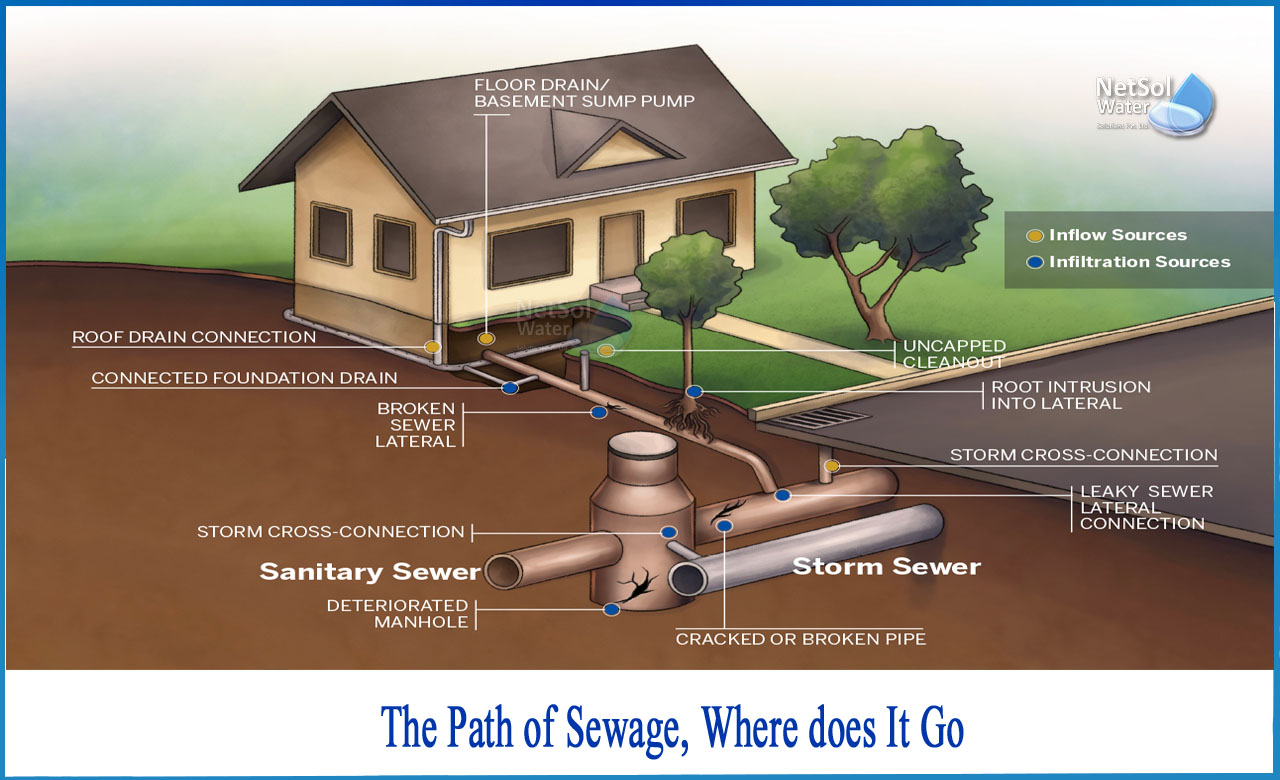
Ever flushed the toilet, watched everything swirl away, and thought… “Well, that’s someone else’s problem now”? You’re not alone. Most of us treat the sewer like a magic disappearing act. But the truth is way more interesting—and way more important—than you might think.
The Great Underworld Journey
When you flush, a wild ride begins beneath your feet. That water doesn’t just vanish into a black hole. It joins a massive, hidden river flowing through a network of pipes under your street.
Think of it like a subway system for waste. Your toilet is just the station entrance. It all rushes downhill (or gets pumped) to a place called a wastewater treatment plant.
Must Read
A City Below the City
If you could shrink down and follow that drop, you’d see a world of dark tunnels, gurgling currents, and the occasional brave rat taking a swim. It’s not glamorous, but it’s engineering poetry in motion.
These pipes aren’t magic. They need TLC, just like the car you drive or the roof over your head. When you flush something silly—like a “flushable” wipe or a whole bottle of oil—you’re literally clogging the arteries of the city.
Where Does It Actually End Up?
After racing through the tubes, your wastewater arrives at a giant facility that looks like a science fair exploded. It’s not a dump—it’s a high-tech spa for dirty water.
First, they let the solids settle out. This goopy mess, called sludge, is often turned into fertilizer or even energy. Yes, your leftovers can power a home.
Then, the water undergoes a multi-stage detox. Bacteria munch on the tiny bits of yuck. Chemicals zap the smell. By the end, the water is clean enough to go back into a river or even be reused for irrigation.
One Glass of Water, Please… Wait, What?
Here’s the kicker: that water you just flushed might end up in a lake where a city downstream drinks from. We’re all connected, from your toilet to their tap.
 How Does A Sewage System Work In Urban Areas - Design Talk
It sounds gross, but nature has been recycling water since the dinosaurs. We just sped up the process with science. The sewer isn’t a dead end—it’s a reincarnation station.
Why Should You Care?
Because every flush is a promise. You’re trusting this hidden system to keep your home clean and your city healthy. When the sewer works, you never think about it. When it breaks? Yikes.
Have you ever seen a street erupt in a geyser of raw sewage? That’s what happens when old pipes crack or people flush things they shouldn’t. It’s not just gross—it’s a health and environmental disaster.
Your Wallet Hates Fatbergs
Imagine pouring bacon grease down the drain. It cools, hardens, and meets a flushable wipe. They cuddle and grow into a massive, concrete-like lump called a fatberg.
These monsters can weigh tons and cost cities millions to remove. Guess who pays for that? You, through your water bill. So next time you cook bacon, pour the grease into a can, not the sink. Your sewer team will silently salute you.
A Love Letter to the Underground Heroes
We have a secret army of workers called “flushers” or wastewater operators. They brave the stink and the rain to keep this system flowing. They’re like plumbers for the entire town, and they deserve a Christmas card.
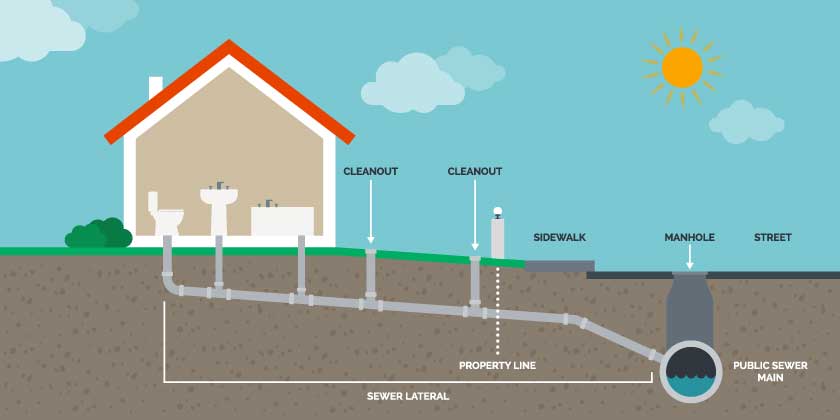 Sewage Systems Quotes Where Does Sewage Go?
They monitor for poisons, clear blockages, and make sure the river downstream doesn’t turn into a dead zone. They are the reason you can take a shower without standing in last week’s soap.
The Ripple Effect
When you flush responsibly, you’re protecting fish, swimmers, and even your own drinking water. One silly flush can disable a treatment plant for hours. One smart flush can save a river.
Think of it like this: your toilet is a portal. What you send through it decides whether the world beyond gets a little bit cleaner or a little bit grosser. You have real power at that handle.
So, Where Does the Sewer Go?
It goes on a journey through a hidden city, to a plant that works miracles, and then back into nature’s cycle. It’s not a dead end—it’s a new beginning.
Next time you flush, give a little nod to the pipes below. You’re not just saying goodbye. You’re sending your waste on a trip to become clean water, fertilizer, or even power. That’s pretty amazing for a second of your day.
So flush with confidence, but flush with kindness. The sewer is not a trash can—it’s a living, breathing system that keeps your world spinning. Treat it well, and it will treat your neighborhood well for generations.
