What Is Ph Of Tap Water

So, you’re standing at the kitchen sink, filling a glass with tap water. Ever wonder what’s really in that clear, cool stream? Let’s talk about pH—that little number that spea...

So, you’re standing at the kitchen sink, filling a glass with tap water. Ever wonder what’s really in that clear, cool stream? Let’s talk about pH—that little number that speaks volumes about your water’s personality.
The Simple Science of Sip
Think of pH like a mood ring for water. It measures how acidic or basic that liquid is on a scale from 0 to 14.
A pH of 7 is perfectly neutral—like pure, balanced Zen. Below 7 is acidic (think lemon juice), and above 7 is basic (like baking soda).
Must Read
So, what is the pH of tap water? Most municipal tap water falls between 6.5 and 8.5. That’s a sweet spot for both your pipes and your palate!
Why Should You Care? (Spoiler: It’s Fun!)
Here’s where it gets lively. The pH of your tap water directly affects taste. Water with a lower pH can taste slightly tangy or metallic.
Higher pH water might feel smoother or even a bit slippery on your tongue. It’s like comparing a crisp apple to a creamy avocado—both delicious, but totally different vibes.
Ever notice how your tea or coffee tastes different at a friend’s house? Yep, it’s the pH. Acidic water can make your morning brew bitter, while neutral water lets those flavors sing.
A Little Chemistry Party in Your Glass
Let’s get geeky for a second—but in a fun way! The pH of tap water is influenced by what’s dissolved in it: minerals like calcium and magnesium.
 What Does Ph In Water Do For You | Detroit Chinatown
Hard water (high in minerals) tends to be more basic. Soft water (treated with sodium) can lean slightly acidic. It’s like each glass of water has its own secret recipe!
And here’s a party trick: you can test your tap water’s pH with simple litmus paper or a home kit. You’ll feel like a mad scientist in your own kitchen.
Not All Water Heroes Wear Capes
Is slightly acidic or basic tap water dangerous? Absolutely not. Your local water utility works hard to keep pH safe and stable.
But extreme pH—say below 6 or above 9—can be a sign of trouble, like corroding pipes or contamination. That’s when you call in the water wizards.
Most of the time, your tap water is a perfectly healthy companion. It’s already doing you a solid by staying in that cozy 6.5–8.5 range.
How to Make pH Your New Best Friend
Think of pH as a tool for everyday adventures. Love gardening? The pH of your tap water affects your plants’ happiness. Some ferns adore slightly acidic water.
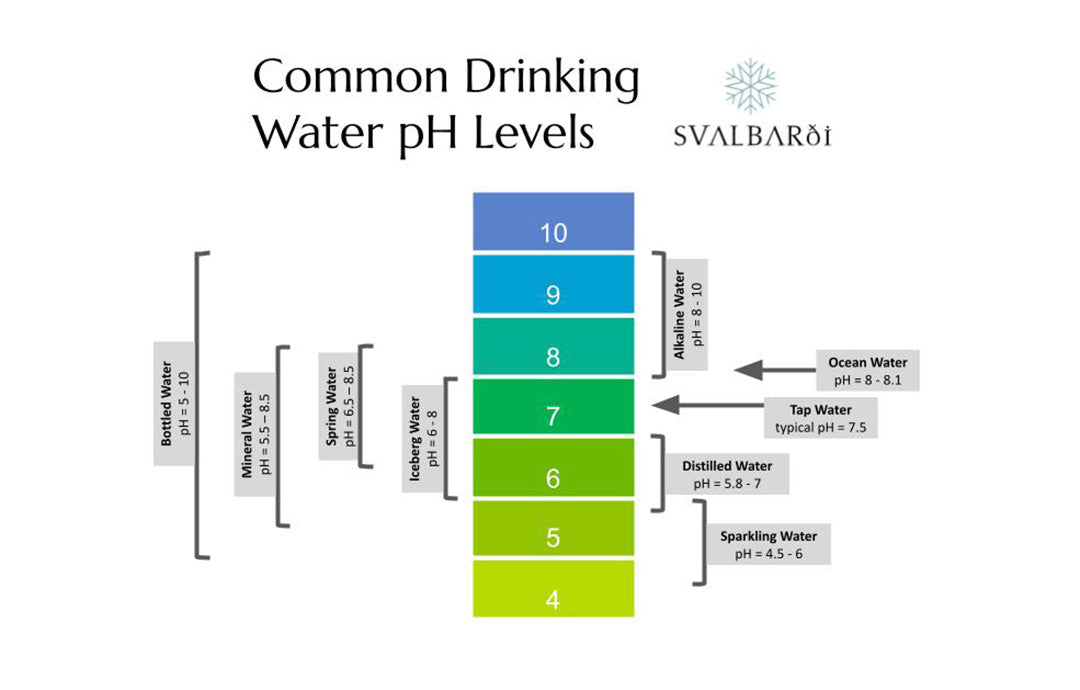 What Is The Ph Of Tap Water? : Understanding Water PH Levels, A
Brewing kombucha or baking sourdough? Water pH can make or break your fermentation. You’ll become the neighborhood water whisperer.
Even your aquarium fish have opinions on pH! Goldfish like it near 7.5, while some tropical fish want it more acidic. Your tap water becomes part of their little underwater world.
The Uplifting Finish
So next time you fill a glass, give a little nod to that mysterious pH number. It’s not just chemistry—it’s a tiny, powerful hero that influences your taste buds, your plants, and your morning ritual.
You don’t need to become a water scientist to enjoy the fun. A simple test kit costs less than a fancy coffee, and the discovery is way more rewarding.
Here’s the uplifting truth: Your tap water is full of hidden stories. By understanding pH, you’re not just drinking water—you’re connecting with a world of tiny, wonderful variables.
Go ahead, test your water tonight. Laugh at the results. Share them with a friend. And remember: every sip is a small, sparkling invitation to learn more, taste more, and love your daily routine a little bit more. Cheers to that!
