What Is Normal Water Ph

Have you ever stared at a glass of water and wondered, “Is this… normal?” It’s a fair question, especially when you hear people talk about pH. But don’t worry—we’re going to k...

Have you ever stared at a glass of water and wondered, “Is this… normal?” It’s a fair question, especially when you hear people talk about pH. But don’t worry—we’re going to keep this simple and fun.
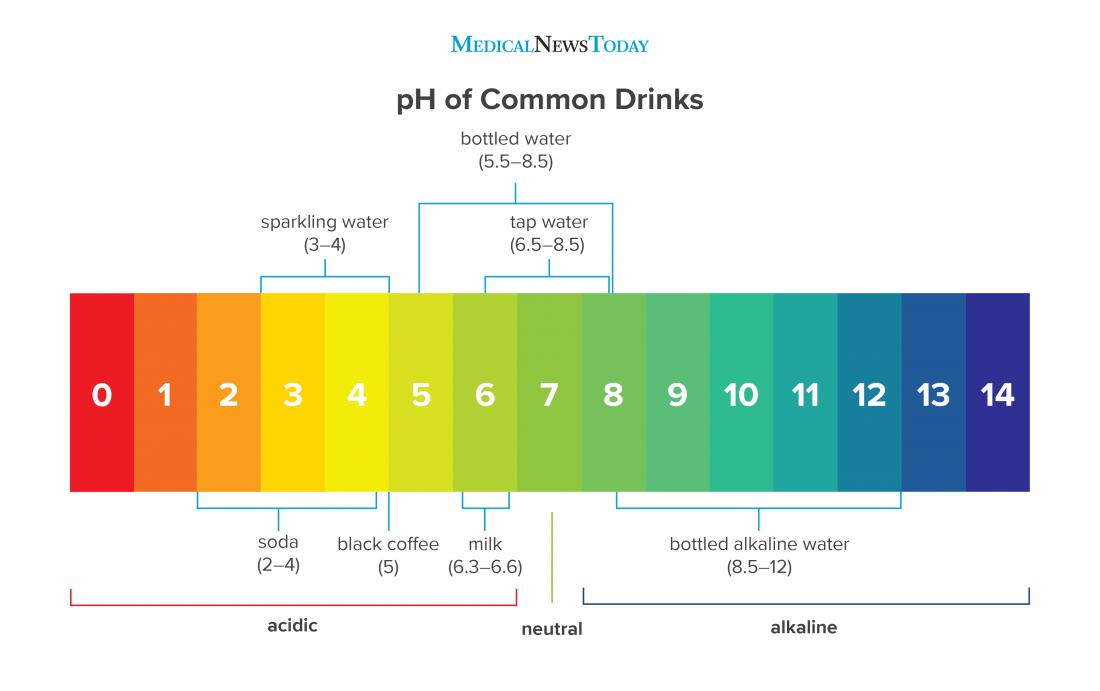
So, what exactly is normal water pH? In plain English, pH measures how acidic or alkaline a liquid is, on a scale from 0 to 14. Most tap water, bottled water, and even rainwater lands right around 7, which is the sweet spot we call “neutral.”
Why is water pH such a big deal?
Think of pH like a personality test for water. A number below 7 means the water is acidic (think lemon juice or vinegar), and above 7 means it’s alkaline (like baking soda mixed with water). But your body is a master at keeping its own pH balanced—your blood hovers around 7.4, no matter what you drink.
Must Read
Here’s the fun part: normal water (pH 6.5 to 8.5) is basically the chill friend in the group. It won’t shock your system or taste weird. It’s just… there, doing its job.
But wait—does pH actually affect taste?
You bet! Water with a pH below 6 might taste tangy or metallic, like licking a penny. Above 8, it can feel a little slippery or bitter, like a sip of mineral water gone rogue. Ever tried fancy bottled water that tastes “smoother”? That’s often slightly alkaline water—around pH 8 or 9—and some people swear by it.
But here’s the truth: your tongue is a terrible pH tester. You probably can’t tell the difference between pH 6.8 and pH 7.2 unless you’re a super-taster. Most of what we “taste” in water comes from minerals like calcium and magnesium, not the pH number.
What about those “alkaline water” bottles?
You’ve seen them at the store—trendy bottles claiming to “balance your body’s pH.” It’s a cool idea, but your stomach is basically a vat of hydrochloric acid (pH around 2). Any alkaline water you drink gets instantly neutralized there. Still, it’s not harmful—just overpriced.
 P H Water Diagram
Fun comparison: drinking alkaline water to change your body’s pH is like trying to warm up your entire house by holding a hot potato in the living room. It doesn’t work that way. Your body has its own built-in thermostat for pH.
Is “normal” water actually boring?
Not at all! Normal pH water (around 7) is the Goldilocks of liquids—not too acidic, not too alkaline, just right for pretty much everything. It’s what fish in healthy rivers need, what plants crave, and what your cells are happiest with. Without neutral water, life as we know it would literally dissolve or curdle.
Think of it like this: if water were a song, pH 7 is a smooth, mid-tempo jam. Acidic water is a screechy guitar solo, and very alkaline water is elevator music. Boring? Maybe. Reliable and essential? Absolutely.
So, should you test your tap water’s pH?
Only if you’re curious! Most municipalities make sure your tap water stays between 6.5 and 8.5 to prevent pipes from corroding. If you notice a metallic taste or blue-green stains in your sink, that’s a sign of acidic water (low pH) eating away at copper pipes. That’s worth looking into.
 Alles Over De Ph Van Drinkwater – EVSE
But for most of us, your tap water is perfectly normal. You don’t need a fancy filter or a pH stick to stay healthy—just drink the clear stuff.
One last fun fact: pure water (H₂O with nothing added) actually has a pH of 7.0 at room temperature. But as soon as it touches air, it absorbs carbon dioxide and becomes slightly acidic—around 5.5. That means even “normal” rainwater is a little bit acidic. Nature loves to mess with our definitions, doesn’t it?
The takeaway?
Water pH is a cool science-y detail, but not something to stress over. Normal water is simply water that doesn’t surprise you—no weird tastes, no stinging eyes, no rust-colored stains. It’s the quiet hero of your kitchen sink.
So next time you fill up a glass, give a little nod to that boring, beautiful, neutral pH. It’s exactly what you need.
