What Is Municipal Water

So, you’re standing in your kitchen, filling up a glass of water, when a random thought pops into your head: “Where does this stuff actually come from?” You’re not alone—most...
So, you’re standing in your kitchen, filling up a glass of water, when a random thought pops into your head: “Where does this stuff actually come from?” You’re not alone—most of us take it for granted until the bill arrives or, heaven forbid, the tap runs dry. Let’s break down municipal water in a way that won’t put you to sleep.
What Exactly Is Municipal Water?
In the simplest terms, municipal water is the treated, tested, and piped-in water that comes out of your faucet, showerhead, and toilet (yes, toilet water counts—it’s still clean before you flush). It’s managed by your city, town, or local utility company, which is why it’s called “municipal.” Think of it as the official, city-approved water delivery service for your home.
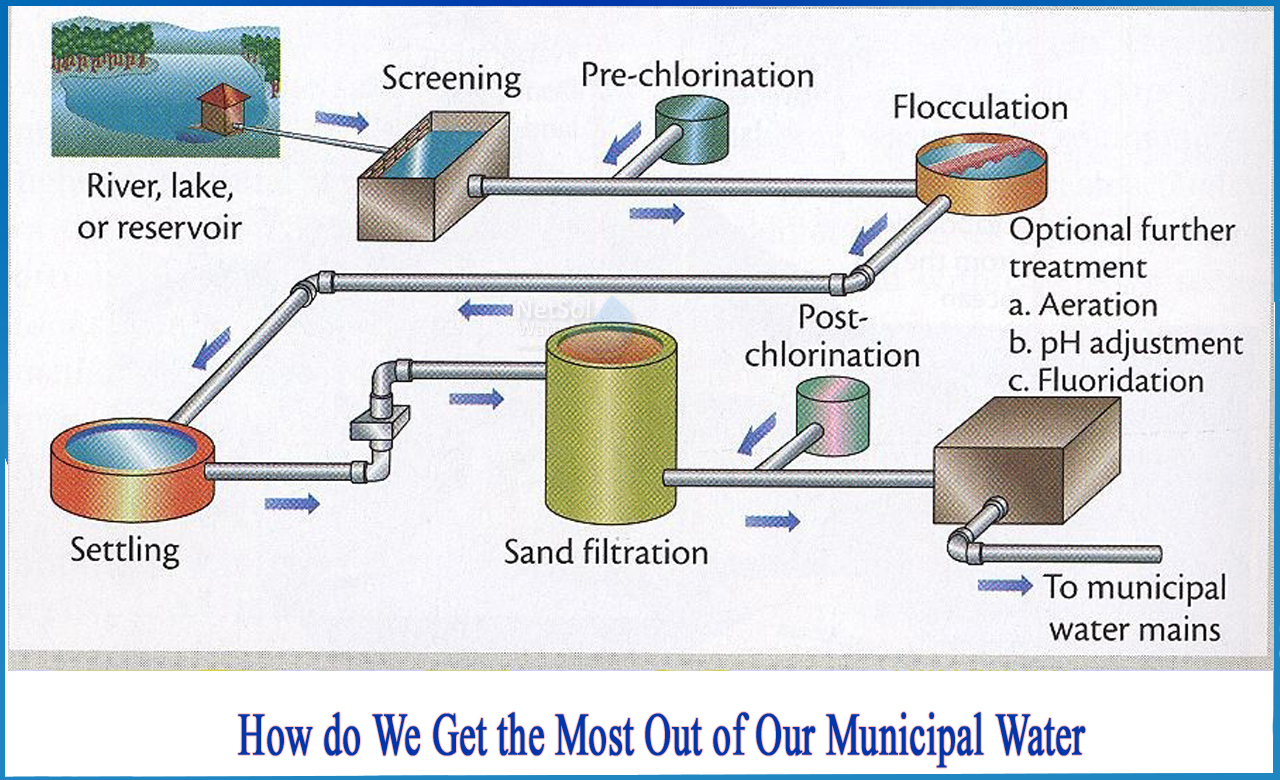
This isn’t just rain that magically appears in your pipes. It’s sourced from rivers, lakes, reservoirs, or underground aquifers, then given a serious spa treatment—filtration, disinfection, and sometimes a little fluoride for your teeth. By the time it reaches you, it’s practically begging to be drunk, washed in, or used to boil pasta.
Must Read
The Journey: From Nature to Your Tap
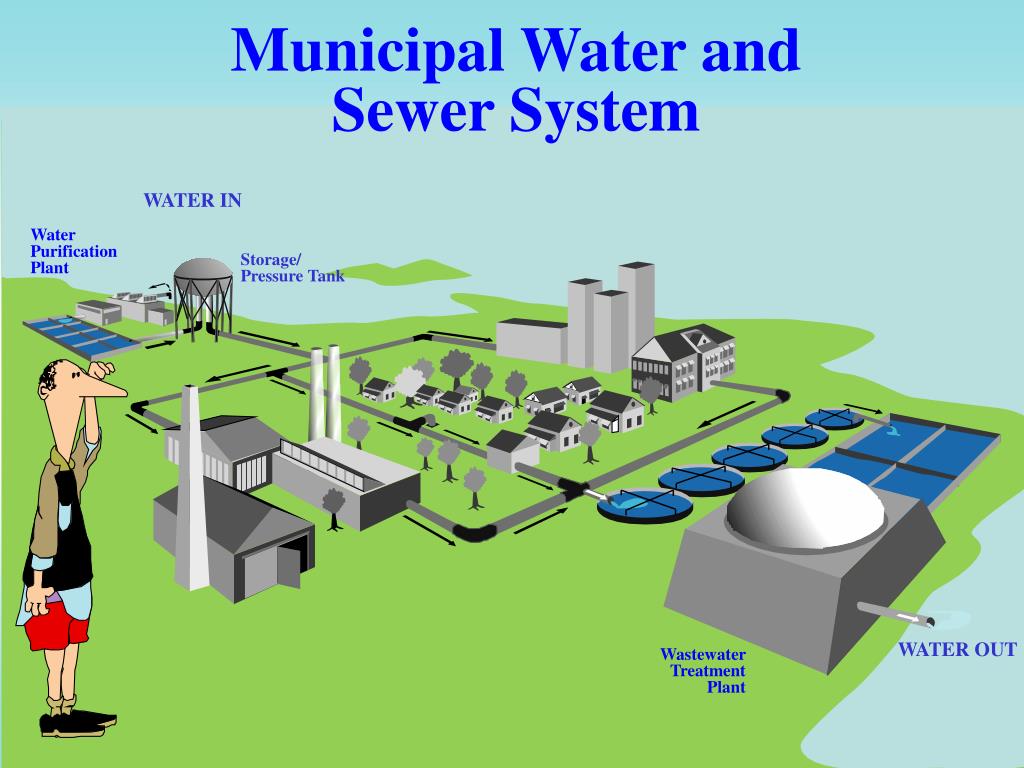
Imagine your water’s life story: it starts out wild and free in a river or lake, then gets captured by a giant pipe. That pipe leads to a treatment plant that’s basically a high-tech water spa, complete with screens, sand filters, and chemical baths. After that, it’s pumped through miles of underground pipes—like a secret subway system for H₂O—until it reaches your home.
Here’s the funny part: while you’re worrying about your commute, your water is already on a cross-city road trip without ever honking its horn. The whole process is so smooth that you’d never guess it involved giant pumps, computers, and a team of scientists making sure nothing icky gets through. Honestly, your water has a better routine than most of us on Monday mornings.
Why Does It Taste… Different?
Ever notice how municipal water tastes slightly different when you visit a friend’s house in another town? That’s because each city has its own source and adds its own cocktail of chemicals. Chlorine or chloramine keeps it germ-free, while fluoride helps your teeth—though some folks swear they can taste the “pool vibes.”
Also, the pipes in your area might be made of different materials—copper, PVC, or old-school metal—which can add a tiny mineral tang. It’s like terroir for water, just without the fancy wine label. Pro tip: if you’re sensitive to taste, a simple filter or letting it sit in the fridge for an hour can smooth out the flavor.
Is It Safe to Drink Right Out of the Tap?
Short answer: Yes, absolutely—in most developed countries, municipal water is one of the most strictly regulated things you’ll consume. The EPA (in the U.S.) and similar agencies worldwide test it constantly for bacteria, heavy metals, and weird chemicals. It’s safer than bottled water in many cases, and way cheaper—plus, no plastic guilt!
 Municipal Water Purification System
Of course, there are exceptions. If you live in an older building with lead pipes, or if your city issues a “boil water advisory” after a storm, you’ll want to be cautious. But for the vast majority of us, tap water is the unsung hero of our daily hydration. Drink up, my friend.
The Weird Stuff: What’s Actually in Your Water?
Let’s be real—municipal water isn’t just H₂O. It’s a soup of trace minerals like calcium and magnesium (good for you!), plus tiny amounts of stuff the plant couldn’t remove, like dissolved gasses or natural organic matter. Don’t worry, it’s not gross—it’s just nature’s fingerprint.
If you’ve ever seen “hard water” spots on your dishes, that’s calcium showing off. And that faint “earthy” smell in summer? That’s algae-season, which is harmless but makes water taste a little like a pond. Luckily, treatment plants filter most of it out—though your nose might still pick up a hint. Think of it as water with personality.
Why You Should Thank Your Local Water Plant
Next time you brush your teeth, give a little shout-out to the people running your municipal system. These folks work 24/7 to make sure you don’t get sick from a rogue bacteria or a rusty pipe. They’re the silent guardians of your hydration, and they rarely get a thank-you card.
Plus, municipal water is an incredible bargain. For less than a penny per gallon, you get life-giving liquid delivered straight to your home—no lugging bottles from the store, no waiting for delivery. It’s basically magic, but with government oversight.
 What Is Municipal Water? - Apure
A Little History for Fun
Municipal water isn’t new—ancient Romans had impressive aqueducts and public fountains. But back then, they didn’t have filtration or fluoride, so drinking the water was a bit of a gamble (and a recipe for, well, ancient diseases). Fast forward to the 1800s, when cities realized that clean water stopped cholera outbreaks, and boom—modern water treatment was born.
Now, you can thank a Victorian-era scientist every time you flush without fear. Your modern municipal system is a civilization-level win, up there with electricity and the internet. Just without the cat videos.
What About Those Bills?
Yes, you pay for municipal water, and yes, it can be annoying. But here’s the good news: your water bill covers the cost of treating, pumping, and maintaining all those pipes. It’s like a subscription to life itself—and honestly, it’s cheaper than your Netflix. If you ever forget to pay, the water company will send a polite reminder, not a stormtrooper.
And if you’re on a tight budget, many cities offer assistance programs. Plus, conserving water isn’t just good for the planet—it’s good for your wallet. Fix that leaky faucet, take shorter showers, and you’ll both save money and feel like an eco-hero.
The Uplifting Conclusion
So, what’s the takeaway? Municipal water is your daily miracle—a refreshing, safe, and affordable gift that’s been carefully handled by a whole team of dedicated humans, from the treatment plant engineers to the pipe repair crews. It’s the quiet force behind your morning coffee, your bubble bath, and your pot of chili.
Next time you fill up a glass, take a moment to appreciate the journey: from glacier or river, through filters and pipes, to your lips. It’s a liquid hug from your city. Smile, sip, and remember: you’re not just drinking water—you’re drinking a story of science, labor, and love. Cheers to that!
