What Is Water Softening

So, picture this: I’m at my friend’s place, and she hands me a glass of water. I take a sip, and it tastes… weird. Kind of like I’m licking a chalkboard mixed with a rusty pen...

So, picture this: I’m at my friend’s place, and she hands me a glass of water. I take a sip, and it tastes… weird. Kind of like I’m licking a chalkboard mixed with a rusty penny. She shrugs and says, “Oh, that’s just the water around here.” I gagged—and that, my friends, is how I met hard water.
Fast forward to my own apartment, where my shower felt like a sandpaper exfoliation session. My hair was brittle, my dishes had spots that looked like a dalmatian sneezed on them, and my kettle was growing a white, crusty beard. That’s when I realized: we don’t just drink water; we live with it. And if it’s hard, it’s a total diva.
So, What Exactly Is Hard Water?
Hard water is just tap water that’s packed with minerals—mainly calcium and magnesium. It picks them up as it travels through limestone and chalk deposits underground. Think of it as water that went to a mineral buffet and ate everything in sight.
Must Read
It’s not dangerous to drink—your bones might even thank you—but it’s a nightmare for your plumbing and your skin. That white crust on your faucet? That’s scale, and it’s basically the water’s way of saying, “I’ll build a castle in your pipes.”
Enter: Water Softening
Water softening is the process of evicting those minerals. The most common method is through an ion exchange system. Fancy name, simple idea: you swap calcium and magnesium for sodium or potassium ions. It’s like a trade deal where you get silk instead of sandpaper.
Here’s the kicker: the softener uses resin beads coated in sodium. When hard water passes through, the beads grab the calcium and magnesium, and release the sodium. Those beads are like tiny bouncers—they kick out the rough stuff and let the smooth stuff through. (I picture them wearing little sunglasses.)
But Wait—Does That Mean You’re Drinking Salt Water?
Nope. The amount of sodium added is tiny—think a slice of bread’s worth in a glass of water. If you’re on a strict low-sodium diet, you can use a potassium-based softener instead. It’s like a gentler bouncer who also hands out snacks.
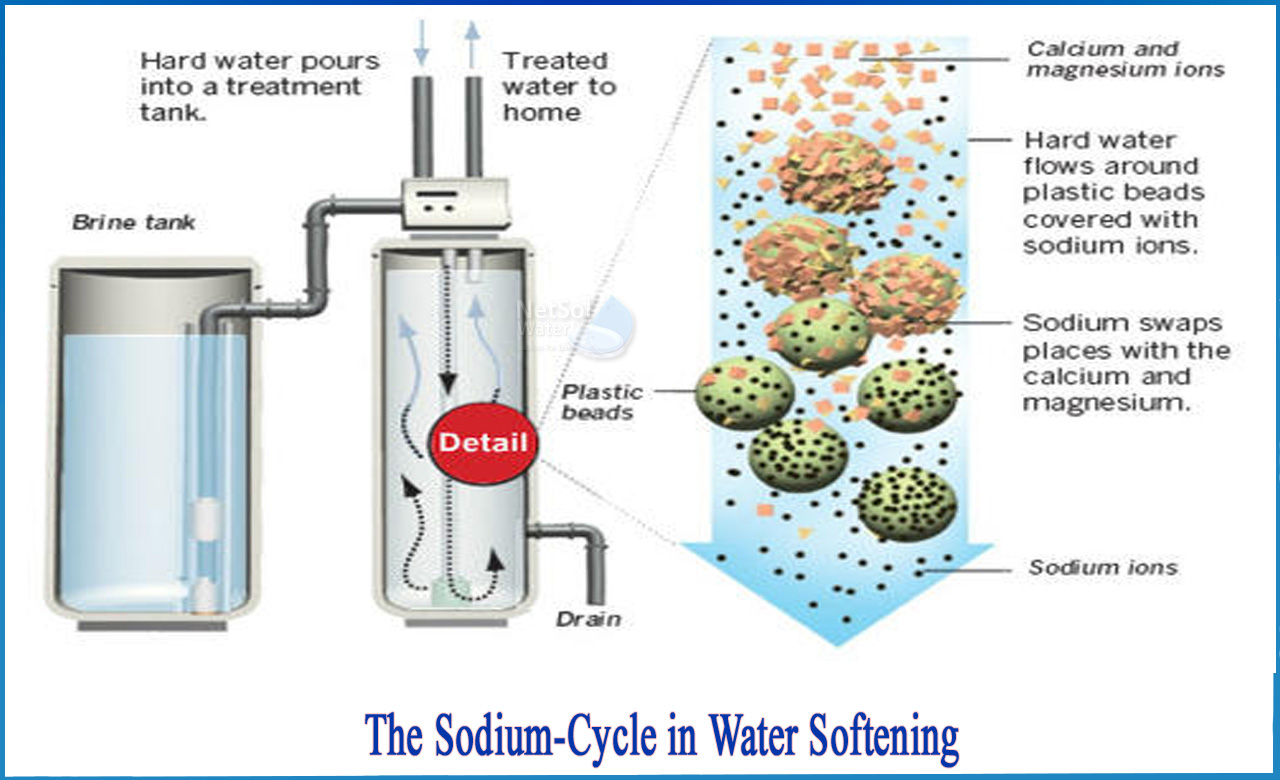 How Water Softeners Work Diagram Water Softener: Plumbing Water
Some people freak out about salt, but honestly? You’re probably getting more sodium from that bag of chips you inhaled last night. The real benefit is that your pipes won’t clog, your soap will actually lather, and your shower will stop feeling like a cat’s tongue bath.
The Glow-Up: What Changes After Softening
After installing a softener, my dishes went from spotted to spotless. My skin stopped screaming for moisturizer. And my hair? It actually feels like hair, not hay. The biggest win? My water heater is living its best life without a limestone coffin.
But here’s the irony: soft water feels slippery at first. You’ll rinse soap off and think you’re still covered in it. That’s because you’re so used to the friction of hard water that soft water feels like a betrayal. Give it a week; you’ll adapt, and hard water will start feeling like an abrasive exfoliant.
The Dark Side (Because Nothing’s Perfect)
Water softeners need maintenance. You have to refill the salt tank, like feeding a pet that only eats white crystals. And they waste some water during regeneration—the process where the beads flush out the calcium and recharge with more salt. It’s not tragic, but it’s a thing.
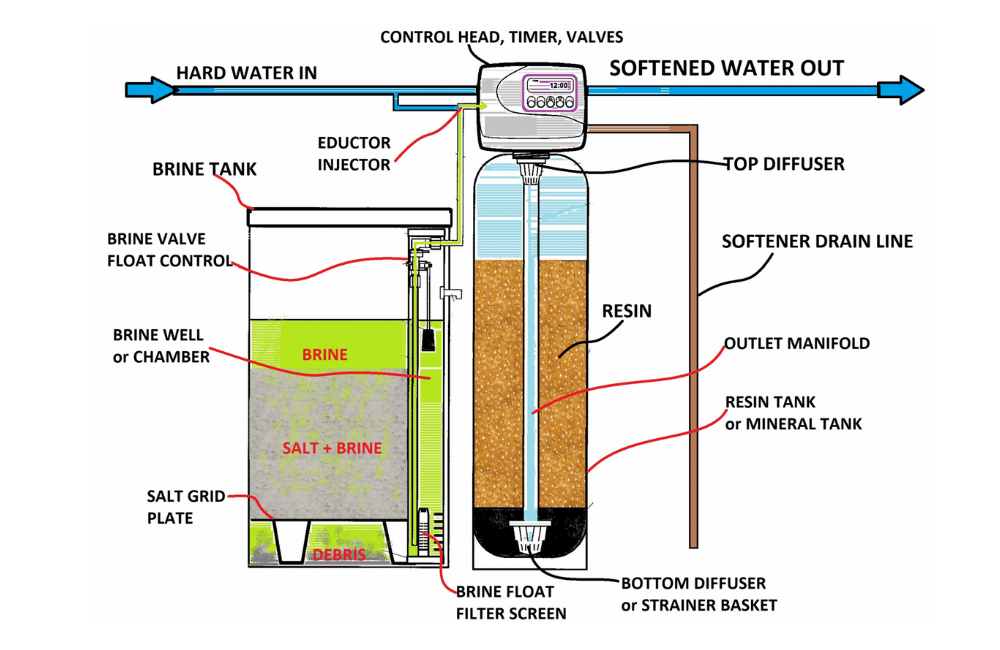 Water Softening Systems Offaly at Evie Rounsevell blog
Also, soft water isn’t ideal for watering plants or filling fish tanks—the extra sodium can bother them. So you’ll want a bypass valve to send unsoftened water to your garden hose. Your tomatoes will thank you.
Do You Even Need It?
Here’s the honest truth: if you don’t have crusty faucets, your soap lathers fine, and your skin isn’t dry, you’re probably fine with hard water. But if you’re like me—cleaning showerheads with vinegar every month—you might be a candidate. A simple water test kit from the hardware store will tell you your water’s hardness in grains per gallon. Above 7 grains? Consider softening.
Or just taste your friend’s water. If it tastes like a penny licked a chalkboard, you know where you stand.
Final Word: It’s Not Magic, But It’s Close
Water softening is basically giving your water a personality makeover. It doesn’t change the taste dramatically (though some say it tastes “smoother”), but it changes how water interacts with everything. It’s the difference between a rough handshake and a gentle wave.
So, if you’re tired of scrubbing white residue and feeling like you’re bathing in hard water’s grumpy mood, a softener might be your new best friend. Just don’t drink the salty brine from the tank—that’s for the bouncers, not you.
