What Is Deionized Water

Okay, friend. Let’s talk about water. But not just any water. I’m talking about deionized water. You’ve probably seen it in a science lab, or maybe at a car wash. And you thou...
:max_bytes(150000):strip_icc()/Flowing_Capacitive_Water_Deionization-5c4d02fa46e0fb00014a2baa.png)
Okay, friend. Let’s talk about water. But not just any water. I’m talking about deionized water. You’ve probably seen it in a science lab, or maybe at a car wash. And you thought, “What in the world is that clear, suspiciously pure stuff?”
First, let’s get real. Regular tap water? It’s a party. A wild, messy party. It’s full of dissolved minerals, salts, and random ions just floating around. Calcium, magnesium, sodium—they’re all there, shaking hands with each other.
Deionized water is the bouncer who kicks everyone out. It’s the anti-party water. We strip away all those charged particles (that’s the “ions” part) until the water is practically a ghost. A very clean ghost.
Must Read
How do we even do this magic trick?
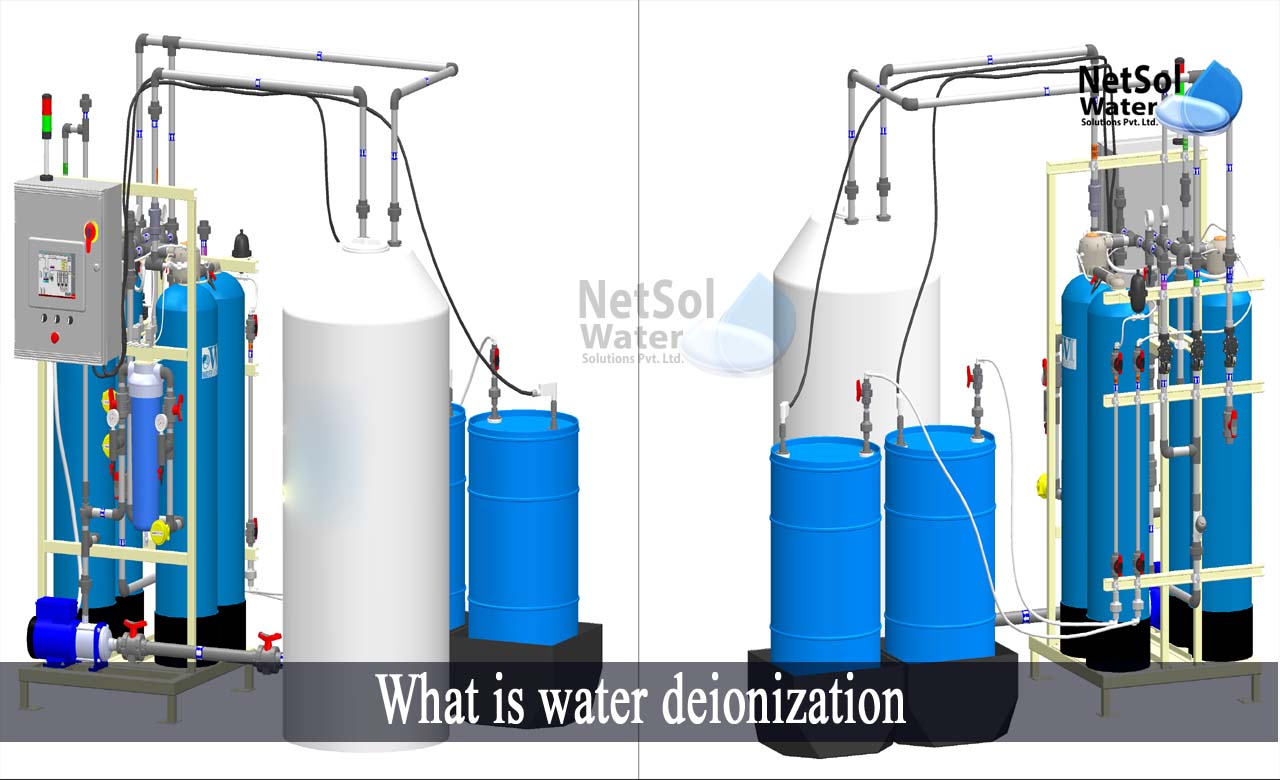
Honestly, it’s a bit like a kidnapping. But in a good way. We take regular water and push it through special resins. These resins are like tiny, hungry sponges that grab the positive and negative ions.
The positive ions (like calcium) get swapped for hydrogen. The negative ones (like chloride) get swapped for hydroxide. Those two then combine to make—you guessed it—more pure water. It’s a cycle of obsessive cleanliness.
It’s not the same as distilled water, by the way. Distillation boils water and collects the steam. Deionization skips the boiling and just snatches the ions directly. Both get clean, but deionized water is the speed cleaner.
Cool, so what’s it actually good for?
Glad you asked. Because you’re not going to drink this stuff for fun. Seriously, don’t. It tastes flat and weird. Plus, your body actually needs those minerals. Drinking deionized water is like trying to hydrate with a vacuum. Not smart.
 What Is Deionized Water? Definition, Uses, Risks
But for everything else? It’s a superstar. Car washes use it to avoid water spots. Those ugly white dots on your car’s paint? That’s mineral residue. Deionized water leaves nothing behind. Your car comes out looking like a glass trophy.
Hospitals and labs also hoard the stuff. They use it to mix medicines, clean surgical tools, and run sensitive experiments. Imagine if a scientist’s test failed because of a single stray calcium ion. Chaos. Pure, expensive chaos.
But wait—is it dangerous?
Kinda, yeah. I mean, not in a “radioactive spider” way. But in a “this stuff is thirsty” way. Because deionized water has no ions, it tries desperately to balance itself. If it touches metal? It eats it. Well, it corrodes it really fast.
That’s why you can’t store it in a metal tank. It’ll gnaw right through. You have to keep it in plastic or glass. It’s like a picky, slightly aggressive toddler. “No metal! Only plastic!”
 deionized water とは | sterilized deionized water – EUGU
Also, if you accidentally spill it on your skin, it’s usually fine. But if you pour it into an open wound? Ouch. It will suck the salt right out of your cells. You’d feel a sharp sting. So maybe don’t use it for first aid. Stick to tap water for that.
So… should I run out and buy a deionizer?
Probably not. Unless you’re a mad scientist, a professional detailer, or you really hate water spots on your windows. Most people don’t need it. You can buy a jug of the stuff at the auto parts store for a few bucks.
But here’s the funny part. You’ve probably used deionized water without knowing it. That “spot-free rinse” at the car wash? That’s it. The water in your iron, to avoid mineral buildup? Often deionized. Even some cosmetics use it as the base.
So next time you see a bottle labeled “DI Water,” give it a nod. It’s not for drinking. It’s not for sharing. It’s the introvert of the water world—super clean, a bit aloof, and very, very good at its job.
Now, go grab a glass of regular water. With ice. Maybe a lemon. That has flavor. That has personality. Deionized water is for your car and your science fair project. Not your lemonade. Trust me on this one.
:max_bytes(150000):strip_icc()/Flowing_Capacitive_Water_Deionization-5c4d02fa46e0fb00014a2baa.png&description=What+Is+Deionized+Water)