What Is Ro Water System

So, you’ve heard the term RO Water System tossed around, and honestly, it sounds like something from a sci-fi movie, right? Let’s demystify this gadget because it’s actually y...
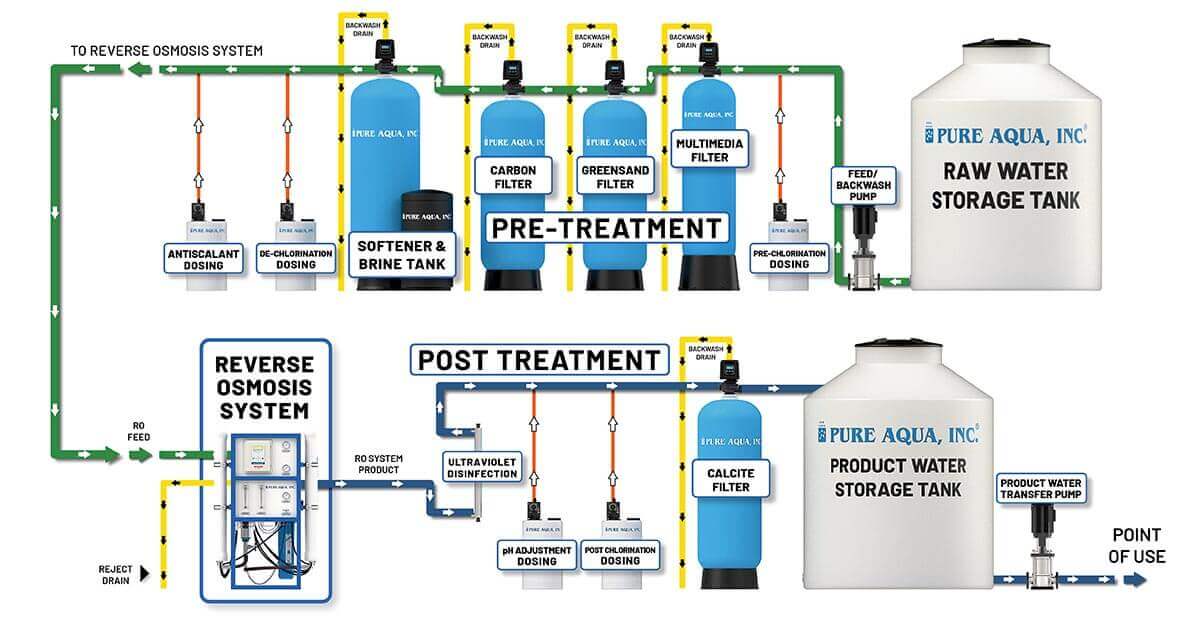
So, you’ve heard the term RO Water System tossed around, and honestly, it sounds like something from a sci-fi movie, right? Let’s demystify this gadget because it’s actually your ticket to amazingly crisp water. Think of it as a tiny, hardworking superhero for your kitchen sink!
At its core, RO stands for Reverse Osmosis. It’s a fancy way of saying we push water through a super-fine membrane to catch all the junk. We’re talking about things you really don't want in your glass: chlorine, lead, and even those weird microscopic particles.
How Does This Magic Work, Anyway?
Imagine you have a very picky bouncer at a club. That bouncer is your RO membrane. Only the tiniest, cleanest water molecules get through; everything else gets shown the door. It’s that simple—and that brilliant.
Must Read
The system uses household water pressure to force your tap water through several filters before it reaches that hero membrane. The result? Water that tastes so clean, it might make you do a double-take. You’ll wonder if you’ve been drinking from a mountain spring your whole life!
Why Your Taste Buds Will Throw a Party
Let’s be honest: tap water can be a little… meh. It has that faint chlorine whisper or a mineral aftertaste that coffee or tea just ruins. An RO system erases those flavors completely.
Suddenly, your morning coffee tastes richer and more vibrant because nothing is getting in the way of the bean’s flavor. And iced tea? Crystal-clear and refreshing, without that cloudy film on top. You’ll start finding excuses to drink more water—which, let’s face it, is a pretty fun problem to have.
Better yet, cooking with RO water makes soups and sauces taste cleaner. It’s like giving your recipes a secret upgrade that only you know about. Your pasta won't get that weird starchy cloudiness, either.
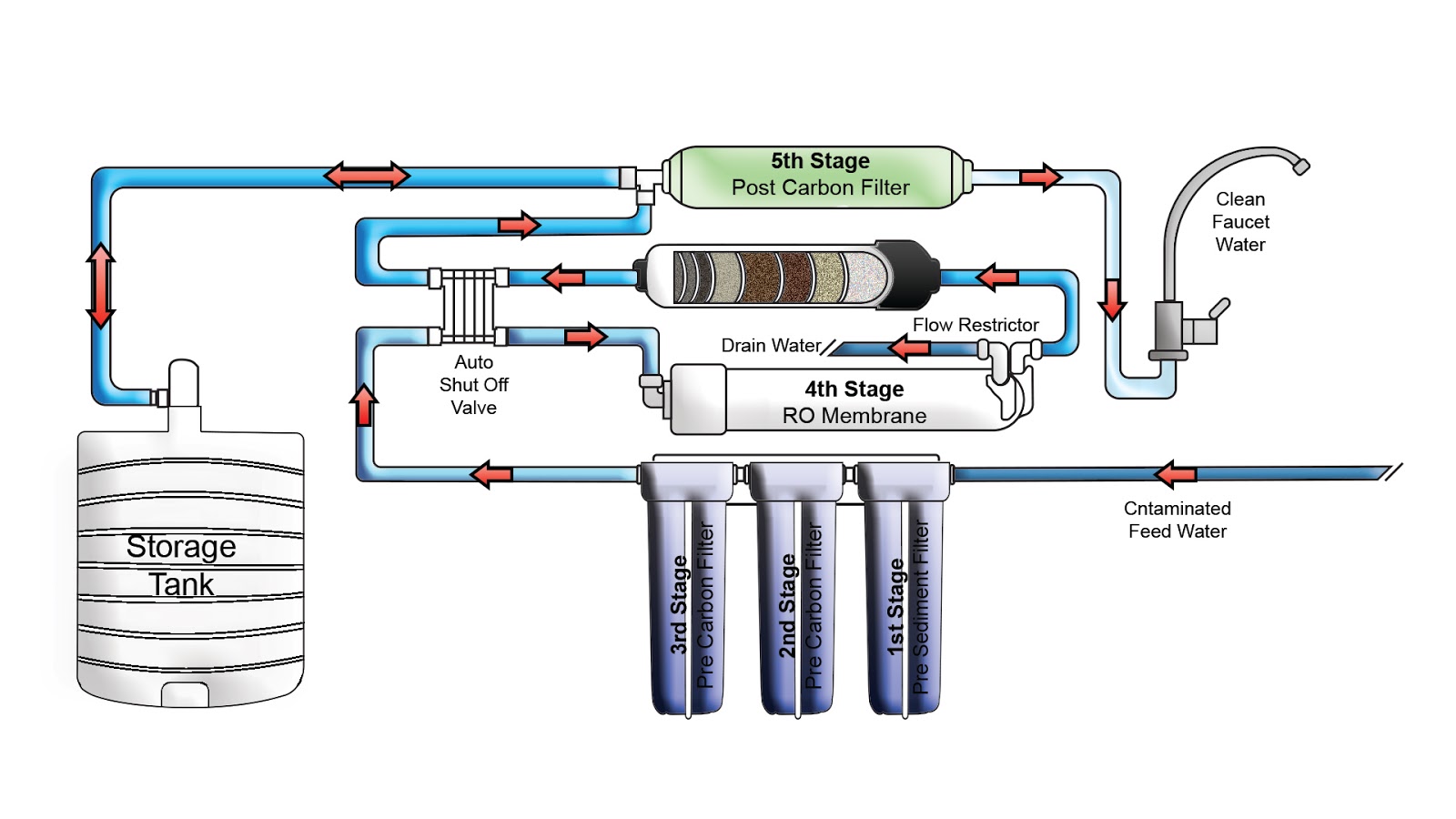 Schematic Diagram Of Reverse Osmosis Plant And Process Reverse
Wait, Is It Complicated? (Spoiler: Nope)
I see that skeptical eyebrow raise—you think this involves complicated plumbing tools and a science degree. The reality is much cooler. Most modern under-sink systems are designed for easy installation.
You don’t need to be a handywoman or handyman. Many systems just connect to your existing cold water line with a simple valve, and a separate little faucet sits on your counter. It takes about an hour, and then you just forget it’s there while it works its silent magic.
And all that “waste water” you might have heard about? Newer models are incredibly efficient. Some even recycle that water to your garden or for washing dishes. Smart and kind to the planet—you can feel good about that.
The Fun Part: Using Your New Superpowers
Once you have RO water, you start finding cool ways to use it. Fill a spray bottle for your houseplants—they’ll thank you with shinier leaves with no mineral spots.
 Best Water Filters in UAE | Filtersco
Make some homemade ice cubes. Take a bite of a cube, and it’s just pure, sweet coldness. No weird aftertaste, no cloudiness. It’s the little things, truly. You’ll also notice your glassware stays spot-free after washing. No more wiping down glasses before guests arrive—that’s a time-saver!
Even your humidifier and steam mop will work better without mineral scale buildup. It’s like giving your appliances a health spa treatment. Who knew a water filter could be the MVP of your entire home?
See? It’s not complicated—it’s liberating. An RO system isn’t just a filter; it’s a gateway to better-tasting food, clearer drinks, and a simpler cleaning routine.
So, here’s your challenge: take a sip of your tap water right now, then imagine it tasting as pure as rainwater. That’s the future an RO system offers. It’s a small change with a huge payoff—making everyday hydration feel like a little luxury.
Go ahead, dive deeper into the world of pristine hydration. Your taste buds—and your houseplants—will thank you!
