How To Fix Yellow Water

So, last Tuesday I’m filling my coffee maker—already running on three hours of sleep—and I swear the water coming out of the tap looks like weak iced tea. Yellow water. Not th...

So, last Tuesday I’m filling my coffee maker—already running on three hours of sleep—and I swear the water coming out of the tap looks like weak iced tea. Yellow water. Not the “golden hour” aesthetic; the “did my pipes just turn into a swamp?” kind of yellow. I almost poured it into my mug anyway (desperation, people), but then I remembered: I live in an old building, and that color usually means something’s throwing a tantrum in the plumbing. Spoiler: it was iron, not a monster. But it got me thinking—how do you actually fix this without calling a plumber and weeping over the bill?
First, don’t panic — and don’t drink it
Look, yellow water is rarely the end of the world, but it’s also not a fancy new tea flavor. Stop using it for drinking, cooking, or brushing your teeth until you know what’s up. I’m talking to you, person who’s already halfway through a glass of it. Put it down. The good news? Usually, it’s just sediment, rust, or a recent fire hydrant flush messing with your pipes. The bad news? Sometimes it’s a sign your water heater is dying.
Step 1: The “Cold Water Test” (your first clue)
Turn on your cold water faucet (kitchen or bathroom) and let it run for about 60 seconds. If the water clears up within a minute, congratulations—you’re probably dealing with rusty pipes or old sediment that settled overnight. That’s the easiest fix: just run the water until it’s clear. But if it stays yellow? Keep reading, detective.
Must Read
Pro tip: collect a glass and hold it up to the light
If the yellow is uniform and looks like apple juice, it’s likely iron or manganese (natural minerals, no biggie). If it looks cloudy or has floating flakes? That’s pipe scale or sediment breaking loose. Either way, don’t run the hot water yet—you might stir up a bigger mess.
Step 2: Check your water heater (it’s the drama queen)
Got yellow water coming out of only the hot side? Oh, honey, your water heater is probably the culprit. Over time, sediment (mostly calcium and rust) builds up at the bottom of the tank. When it gets disturbed—say, after a vacation or a heavy usage day—it turns your water into a yellow nightmare. Don’t ignore this, because too much sediment can cause leaks or even ruptures.
 Toilet Yellow Buildup
The flush dance (yes, you can do this)
Turn off the power or gas to your water heater. Let it cool, then attach a garden hose to the drain valve at the bottom. Let it pour into a bucket or drain—expect nasty brown or yellow water at first. Keep flushing until it runs clear. This might take 5-10 minutes. Warning: if the water never clears, your tank is probably rusting from the inside out and needs replacing. (Side note: you now have permission to curse under your breath.)
Step 3: The sneaky culprit — municipal maintenance
Sometimes the yellow water isn’t your fault at all. Your city might be flushing fire hydrants, repairing a main line, or changing the water source. In that case, your neighbors will have the same problem. Text them. If they’re all complaining too, just run your cold water for 5 minutes once the work is done. Problem solved. You’re welcome.
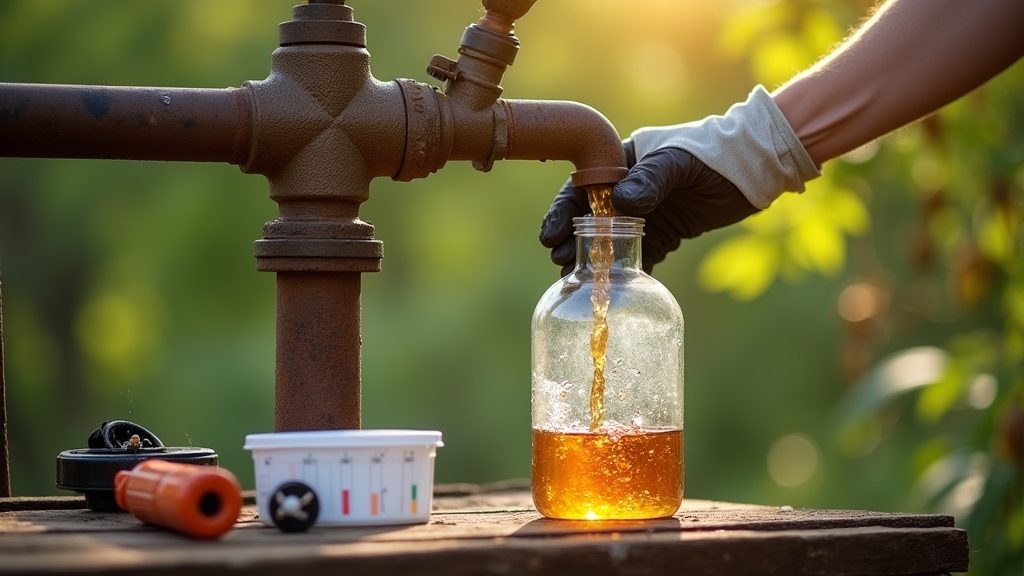 How to Fix Yellow Well Water: Regular Testing & Maintenance – Plumbing Ways
What about well water?
If you’re on a private well, yellow water is often iron bacteria or high mineral content. You’ll need a water test kit (cheap on Amazon) to check for iron, manganese, or sulfur. The fix? A water softener or an iron filter system. I know—it sounds expensive, but it’s cheaper than replacing every white shirt in your closet. (Yes, I’ve ruined a favorite T-shirt. It’s now “vintage yellow.”)
Step 4: The last resort — call in the pros
If you’ve flushed the heater, run the cold water, and your neighbors are fine, but your water is still the color of a traffic light’s caution signal, stop DIY-ing. You might have a corroded pipe, a leak, or a faulty pressure tank. Plumbers are expensive, but so is internal bleeding from iron poisoning. (Kidding—mostly. But seriously, just call them.) Ask for a water quality test first; it’s usually free or cheap.
A final, slightly ironic note
Look, I get it—yellow water is annoying, and it makes you feel like you’re camping in your own kitchen. But 9 times out of 10, it’s just old minerals being dramatic. And if it’s not? Well, now you know exactly who to blame (your water heater, the city, or that rusty pipe from 1982). So run that tap, flush that tank, and for the love of all things clean, don’t make coffee with it. Learn from my near-mistake. Your morning cup will thank you.
