How To Determine The Ph

Picture this: You’re in a sleek coffee shop, ordering your third cold brew of the day, and you swear it tastes a little… sharp. Or maybe you’re testing a new skincare serum th...
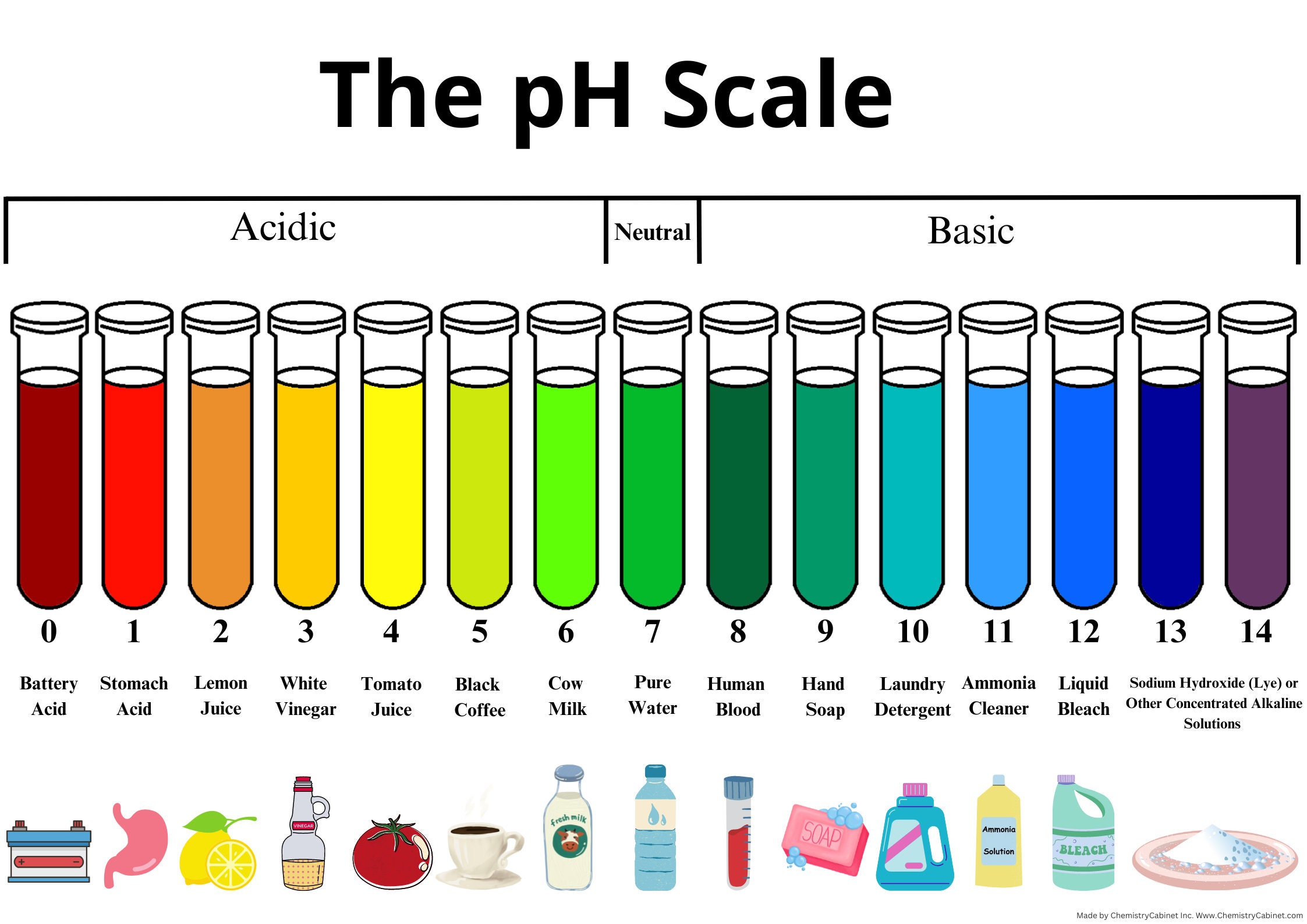
Picture this: You’re in a sleek coffee shop, ordering your third cold brew of the day, and you swear it tastes a little… sharp. Or maybe you’re testing a new skincare serum that promises “perfect pH balance.” Suddenly, you realize this tiny term—pH—is everywhere. But how do you actually determine it without a lab coat and a mysterious beaker?
Relax. Figuring out pH isn’t just for chemists in hazmat suits. It’s a surprisingly easy-going skill that can upgrade your daily life, from gardening to cocktails. Think of pH as the universe’s mood ring for liquids: it tells you how acidic or alkaline something is, on a scale from 0 (super sour) to 14 (super slippery). And the best part? You can master it with a few everyday tools and a dash of curiosity.
The Simple Science: Why pH Matters (Without the Textbook)
First, a tiny fact: the “p” in pH stands for potential (of hydrogen), but let’s be real—just remember it as “pretty handy.” Your body loves a stable pH around 7.4 in your blood (slightly alkaline), while your stomach acid can dip to a fiery 1.5. That’s why your coffee tastes different from your tap water—they’re literally vibrating on different chemical wavelengths.
Must Read
Here’s the fun part: pH affects everything from the color of hydrangeas (acidic soil turns them blue, alkaline makes them pink) to the fizz in your homemade kombucha. It’s the secret sauce behind why a lemon makes tea zing and why baking soda can soothe an ant bite. Once you start noticing pH, you’ll see it everywhere—like noticing a great soundtrack in a movie.
Method One: Go Digital with a pH Meter (The Tech-Savvy Route)
If you love gadgets, grab a digital pH meter. They’re small, affordable (think $15–$30), and give you a precise number in seconds. Just dip the probe into your liquid, wait for the beep, and read the screen. It’s like a Fitbit for your water.
Practical tip: Always calibrate your meter first using store-bought buffer solutions (pH 4, 7, and 10). It takes two minutes and saves you from interpreting nonsense numbers. Pro move: Rinse the probe with distilled water between tests to avoid cross-contamination from that leftover salsa.
Pop culture reference: Remember the scene in Breaking Bad where Walter White obsesses over pH levels for his blue meth? Yeah, don’t do that. Use your meter for good—like checking if your pool is safe for a cannonball.
Method Two: The Classic Litmus Paper (Old-School, But Cool)
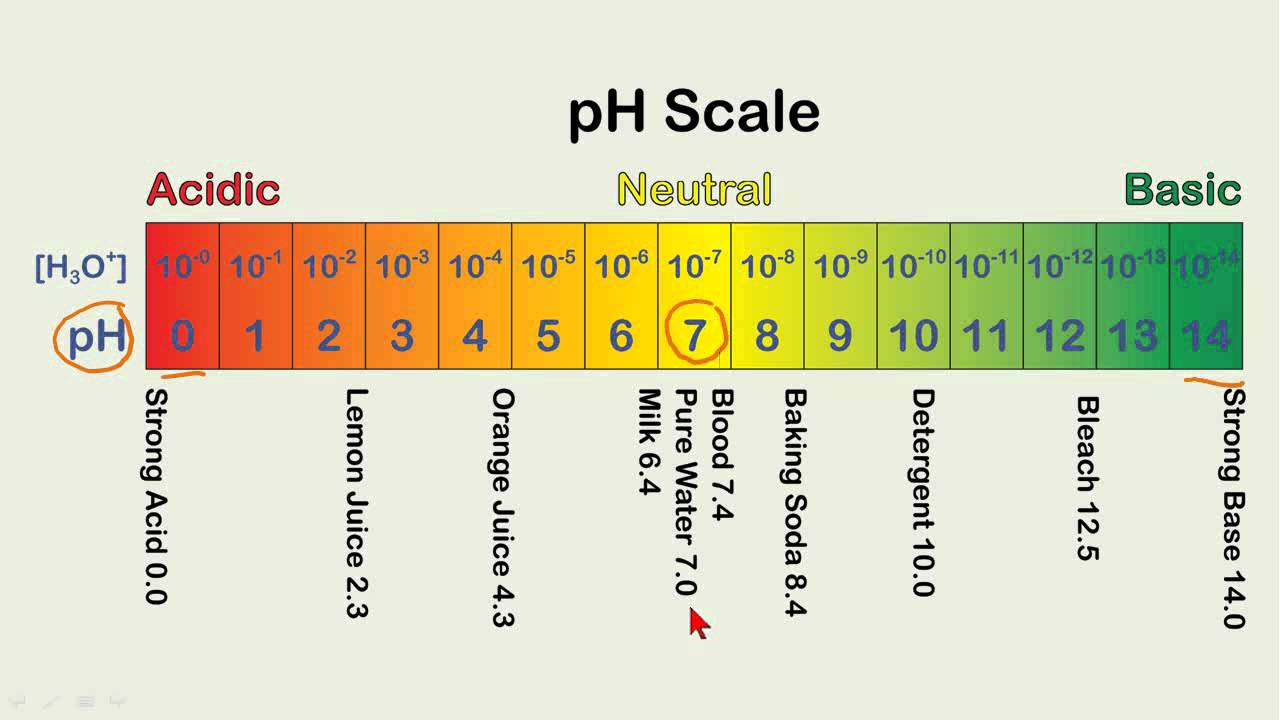
For a low-tech vibe, litmus paper is your jam. These little strips change color based on acidity—red means acidic, blue means alkaline, and purple screams “perfectly neutral.” It’s like a mood ring for your morning orange juice. Dip the strip, wait one second, and compare the color to the chart on the box.
 Ph Scale Horizontal
Fun fact: Litmus comes from lichens—yes, those fuzzy things on tree bark. Ancient alchemists used it, and now you can buy a pack for five bucks at any pharmacy. Best use case: Test your tap water. Many municipal waters hover around pH 6.5–8.5, but if yours is too acidic, it might corrode pipes. If it’s too alkaline, it can taste bitter. Now you know why your hotel shower felt different.
Quick cultural reference: In Japan, some high-end bathhouses advertise “alkaline hot springs” for silky skin. That’s the same pH magic—just with more zen and less science jargon.
Method Three: The DIY Fizz Test (For Kitchen Chemists)
No meter? No strips? No problem. Grab some baking soda and vinegar from your pantry. If a liquid fizzes when you add a pinch of baking soda, it’s acidic (the baking soda reacts with the acid to release CO2). If it fizzes with vinegar, it’s alkaline. No fizz at all? You’re probably neutral—like most drinking water.
This is a super-simple qualitative test, not precise, but perfect for a lazy Sunday. I once used it to check if my homemade kombucha was too sour (yes, it fizzed violently—rookie mistake). You can also test your soil by mixing a spoonful of dirt with distilled water and following the same trick. Gardening tip: Hydrangeas love acidic soil (pH 5.5–6.5), so if your fizz test shows alkaline, add coffee grounds to make them bloom blue.
pH in the Wild: Everyday Applications You’ll Actually Use
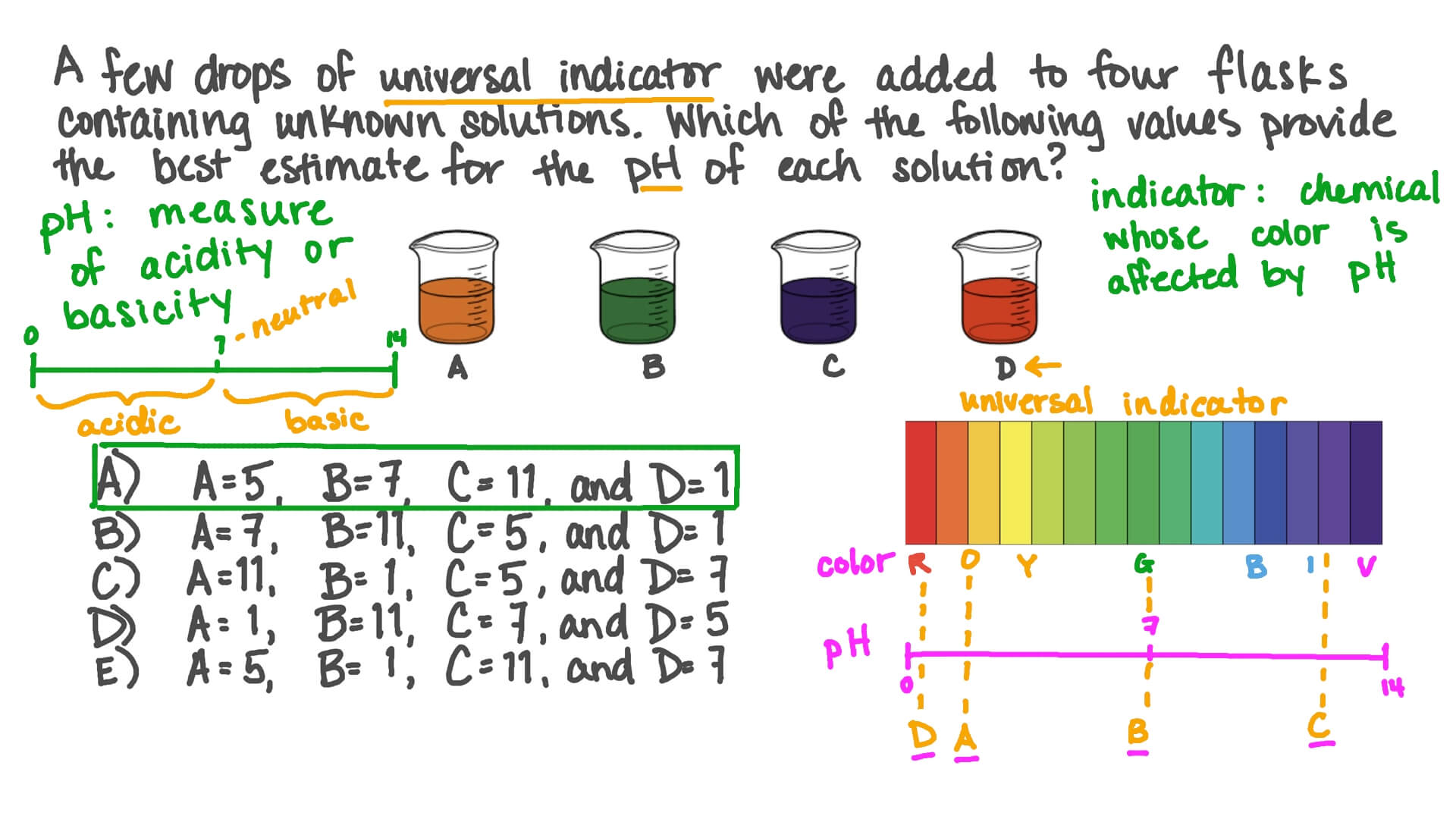
Let’s connect the dots. Your skin’s natural pH is around 4.5–5.5 (mildly acidic). That’s why harsh soaps (often alkaline) can leave you dry and irritated—they strip the protective acid mantle. Skincare hack: Use a pH-balanced cleanser (look for “5.5” on the bottle) instead of that trendy bar soap that smells like a pine forest.
 Ph Scale Universal Indicator
And what about drinking water? The trend of “alkaline water” (pH 8–9) claims to neutralize acidity in your body. Science says: your stomach acid is so strong (pH 1.5–3.5) that it instantly re-acidifies alkaline water. But hey, if it tastes crisp and motivates you to hydrate, go for it. Just don’t believe the hype that it cures everything—your body regulates its own pH like a boss.
The Hollywood Test: pH in Your Favorite Cocktails
Ever wonder why a classic Margarita balances tequila with fresh lime juice? That’s a pH tango. Lime juice is around pH 2, which cuts the sweetness and wakes up your palate. A well-made cocktail keeps its pH around 3–4 for that “bright” taste. Too acidic? Add a splash of simple syrup (neutral). Too bland? A squeeze of lemon saves the day. You are now a cocktail scientist.
Fun fact: The pH of a lemon is about 2.2—the same as stomach acid. That’s why biting into a lemon makes you pucker. It’s your body’s way of saying, “Hey, that’s intense!” Next time you’re at a bar, impress your friends by casually testing cocktail pH with a strip. They’ll either think you’re a genius or a nerd—both wins.
The Final Sip: A Reflection on Balance
Determining pH isn’t just about numbers on a strip. It’s about understanding the balance that underpins everything—from the water you drink to the soil that grows your basil. In a world that often feels chaotic, pH offers a tiny, measurable slice of order. You can test, understand, and adjust. It’s a quiet empowerment.
So next time you’re pouring a glass of water, tending to your plants, or mixing a drink, remember: you have the tools to decode a hidden layer of reality. It’s not about perfection—it’s about playing with your food and your world. And honestly, isn’t that what a good life is made of? A little acid, a little alkaline, and a whole lot of curiosity.
