How To Clean Water Jugs

Let’s face it: that reusable water jug is your daily sidekick, whether you’re crushing a HIIT class or just trying to hit your hydration goals. But when was the last time you...

Let’s face it: that reusable water jug is your daily sidekick, whether you’re crushing a HIIT class or just trying to hit your hydration goals. But when was the last time you gave it a proper scrub? If you’re just giving it a quick rinse, it’s time for an upgrade.
Your jug is a petri dish waiting to happen. That warm, moist environment is a paradise for bacteria, mold, and even that slimy biofilm you might have noticed. Studies show that reusable bottles can harbor more germs than a pet’s water bowl if neglected.
So, let’s get down to the business of actually cleaning it. The good news? You don’t need a chemistry degree—just a little know-how and a few items from your pantry.
Must Read
The Daily Refresh: Your Non-Negotiable Routine
Every single day, after your last sip, give the jug a hot water and mild soap rinse. Use a bottle brush to reach the bottom, especially if you’re using a wide-mouth jug or one with a narrow straw.
Pro tip: Don’t forget the lid and the threads. That’s where the sneaky stuff loves to hide, right where your lips touch. A quick scrub with a small brush or even an old toothbrush works wonders.
Rinse thoroughly with hot water. Soap residue isn’t just gross—it can mess with your water’s taste and even trap new bacteria.
The Deep Clean: When Baking Soda Meets White Vinegar
Once a week, your jug deserves a spa day. This is the ultimate one-two punch against stubborn odors and mineral buildup, especially if you live in a hard-water area.
Fill your jug with a solution of one part white vinegar to three parts warm water. Let it soak for at least 15 minutes, or overnight if you notice a funky smell. Vinegar is the unsung hero of natural cleaning—it cuts through grime and neutralizes odors without toxic chemicals.
Alternative method: Add a tablespoon of baking soda and a squirt of dish soap, then fill with hot water. The fizzy reaction helps loosen debris. Shake it like a bartender making a martini, then let it sit for 30 minutes.
Rinse everything extremely well. You don’t want your next gulp to taste like a pickle or a science experiment. Run it under hot water for at least a minute, shaking vigorously.
The Stain Special: Conquering Coffee, Tea, and Smoothie Spots
We all know the shame of a plastic jug stained a permanent shade of matcha green or coffee brown. It’s not just cosmetic—stains can trap odors and bacteria.
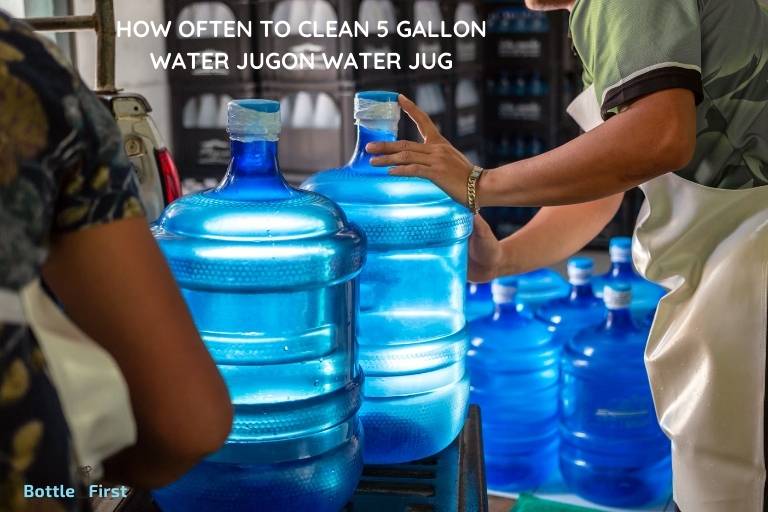 How To Clean Water Jug 5 Gallon | Detroit Chinatown
For plastic or stainless steel jugs, try a paste made from baking soda and lemon juice. Rub it inside with a non-abrasive sponge, let it sit for 10 minutes, and scrub. The acidity lifts stains like a charm.
For glass jugs, you have an ace up your sleeve: denture cleaner tablets. Drop one in, fill with warm water, and let it fizz overnight. Rinse in the morning, and your jug will look like it just came off the shelf.
Fun fact: Denture tablets were originally designed for removing tough stains from teeth, but they work on glass and hard plastics because of their oxygenating bleach agents. It’s the cleaning hack your grandma definitely used.
The Material Matters: A Quick Guide
Plastic (BPA-free): Prone to absorbing odors and scratches where bacteria hide. Never use boiling water—it can release chemicals. Stick to warm soapy water and avoid the dishwasher for the lid gaskets.
Stainless steel: Tougher, but don’t use bleach or harsh abrasives; they can damage the lining. Vinegar soaks are perfect here. Dry immediately to prevent water spots.
Glass: The MVP of easy cleaning. You can boil it (let it cool slowly) or run it through a high-heat dishwasher cycle. Just be careful with sudden temperature changes to avoid cracking.
The Straw and Lid Zone: Leave No Crevice Behind
Those tiny straws and pop-top lids are the Bermuda Triangle of mold growth. If you ignore them, you’re basically drinking from a science experiment. Never skip cleaning these parts.
Use a dedicated straw brush—they cost about $3 online and save your gut health. For lids with rubber seals, remove the seal and wash it separately; mold loves those little crevices.
The dishwasher is convenient, but it doesn’t always reach every nook. Hand-washing lids with a small brush is the gold standard. Your taste buds will thank you.
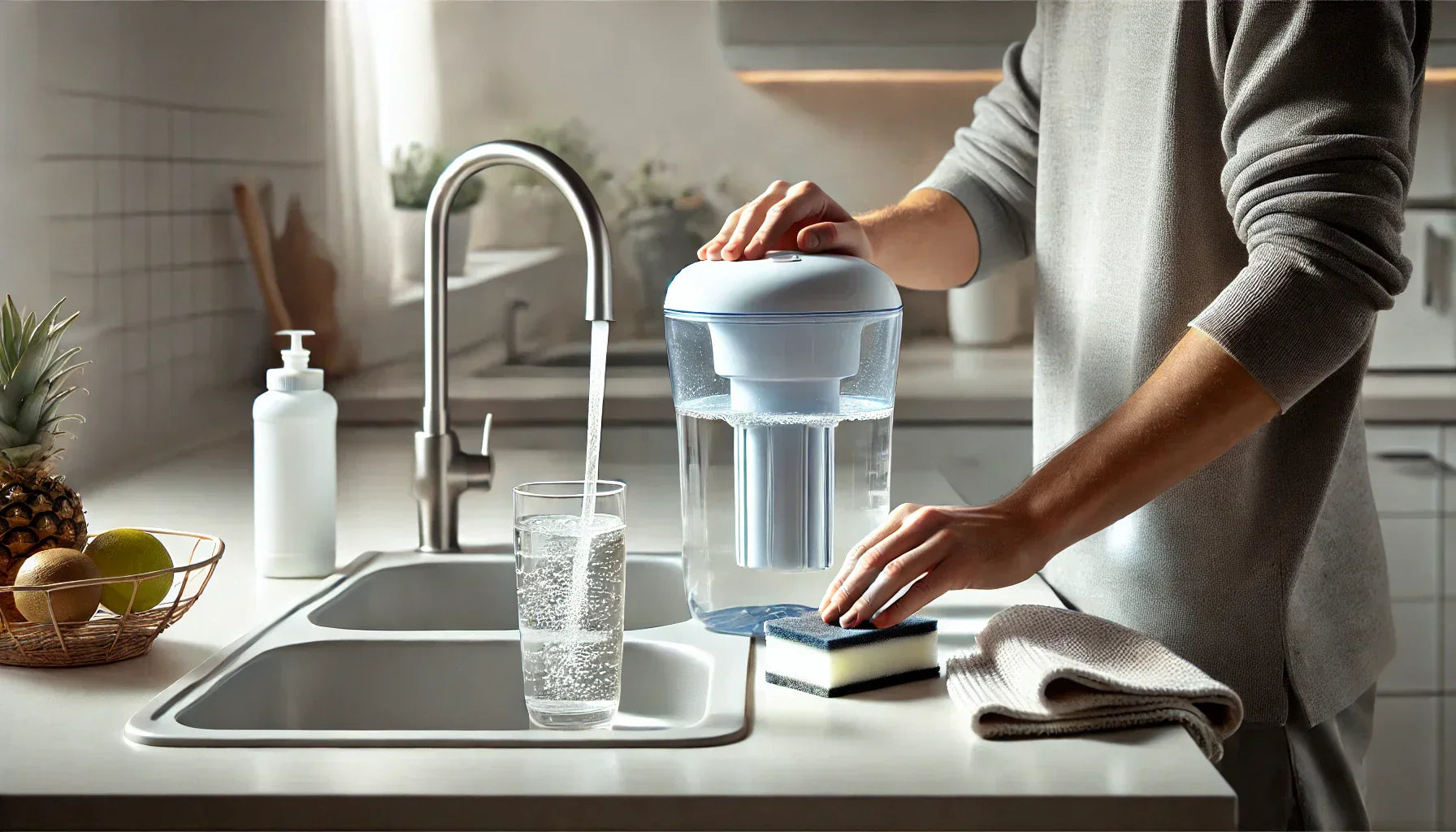 How to Clean Your Water Filter Jug: Step-by-Step Guide | Waters Co
Drying: The Final, Crucial Step
You’ve cleaned it perfectly, but wet jugs are mold magnets. After washing, prop the lid open and invert the jug on a drying rack. For straws, stand them upright in a cup or hang them with a clothespin.
Never seal a wet jug. If you screw the lid on immediately, you’re creating a perfect greenhouse for bacteria to party until your next use. Let everything air-dry fully before reassembling.
If you’re in a hurry, use a clean paper towel to dry the inside manually. It’s better than trapping moisture. But honestly, air-drying is the most effective and effortless method.
A Cultural Detour: The Japanese Way
In Japan, cleanliness is practically a spiritual practice. Many Japanese households use a special bottle-cleaning tool called a “bin bouki”—a long-handled sponge with a rounded tip—to meticulously clean their water bottles and thermoses.
Interesting tidbit: They also often let cleaned bottles dry upside down with the cap removed for a full 24 hours. The cultural emphasis is on kazari, or the idea that a clean tool shows respect for the object and the user.
Adopting this mindset—where cleaning isn’t a chore but a form of self-care—can change your relationship with your daily gear. It’s a small ritual that says, “I value my health.”
The Final Rinse: A Reflection on Daily Life
Cleaning a water jug sounds trivial, but it’s a metaphor for so much more. Just as we need to flush out the old and stale from our bodies, we need to clear the residue from our routines and minds.
That fresh, clean taste after a deep clean? It’s the same feeling as opening a window in a stuffy room or finally clearing out a cluttered drawer. It’s a small act of rebellion against the chaos.
So, next time you sip from a sparkling clean jug, take a moment to appreciate the effort. You’ve done more than hydrate—you’ve reset your space, your habits, and maybe even your outlook. Cheers to that.
