How To Soften The Water

Let’s talk about water. Not the boring “drink eight glasses” kind. The hard kind. You know, that stuff that leaves your skin feeling like sandpaper, your dishes spotting like...
Let’s talk about water. Not the boring “drink eight glasses” kind. The hard kind. You know, that stuff that leaves your skin feeling like sandpaper, your dishes spotting like a teenager’s face, and your pipes groaning like a haunted house. Hard water is basically liquid rock—calcium and magnesium ions doing the tango in your tap. It’s not dangerous, just annoying. And we’re going to fix it.
What’s the Big Deal?
Hard water hates soap. It forms that weird scum ring in your bathtub. You know the one. It also makes your hair feel like straw and your laundry look dingy. Fun fact: hard water can actually shorten the life of your appliances by building up scale inside them. Your coffee maker? Slowly turning into a limestone statue.
But here’s the quirky bit: some people love hard water. They say it tastes better. Others swear it’s why their skin doesn’t break out. But for most of us, it’s just a headache. A headache with a mineral content of over 120 mg per liter. That’s the official threshold for “hard.” You’re living in rock soup.
Must Read
Method One: The Boil-and-Wait
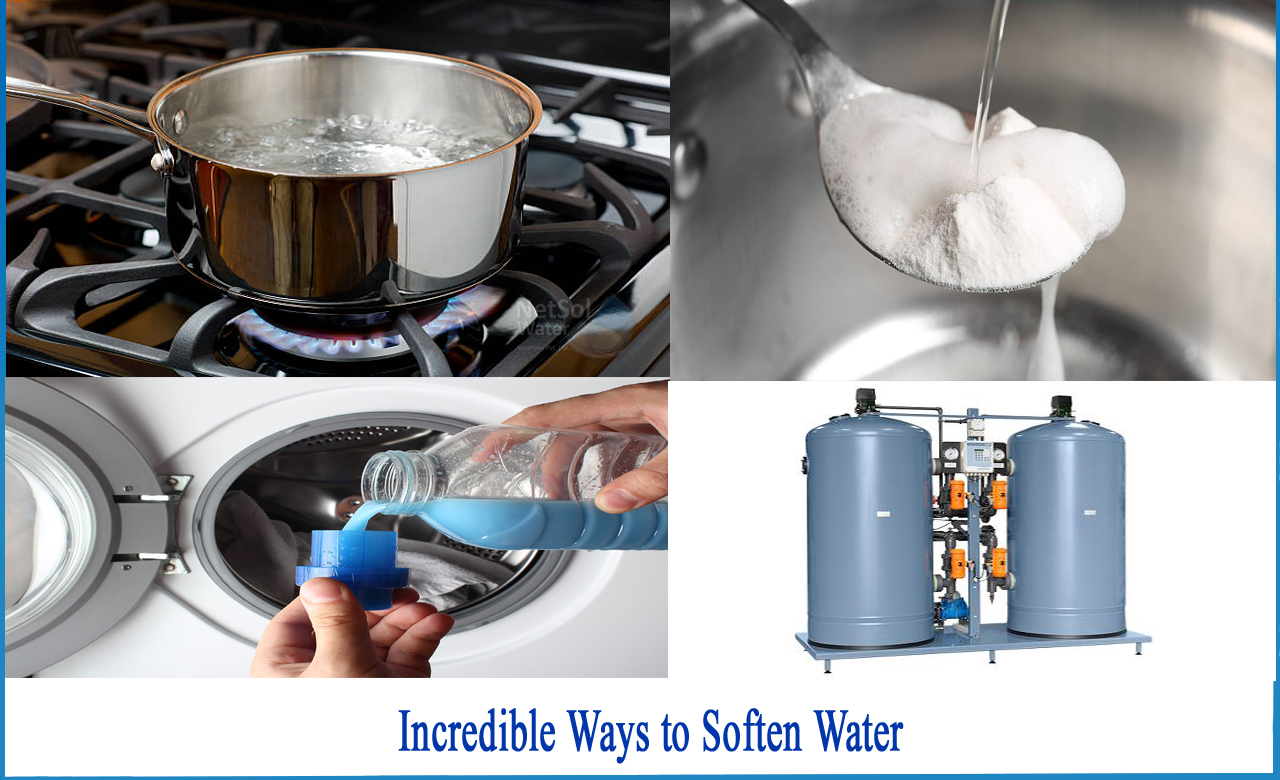
The simplest trick? Boil it. Yes, really. When you boil hard water, the calcium carbonate precipitates out. You’ll see white flakes floating around. Those are the minerals saying goodbye. Let the water cool, then pour it through a coffee filter. Boom—softer water. But be honest: are you going to boil every glass? Probably not. This works for a cup of tea, not a whole house.
Here’s a weird sciencey bit: the white crust in your kettle is called limescale. It’s the same stuff that makes stalactites in caves. You’re basically making a tiny cave every time you make tea. Glamping for minerals.
Method Two: The Magic of Salt
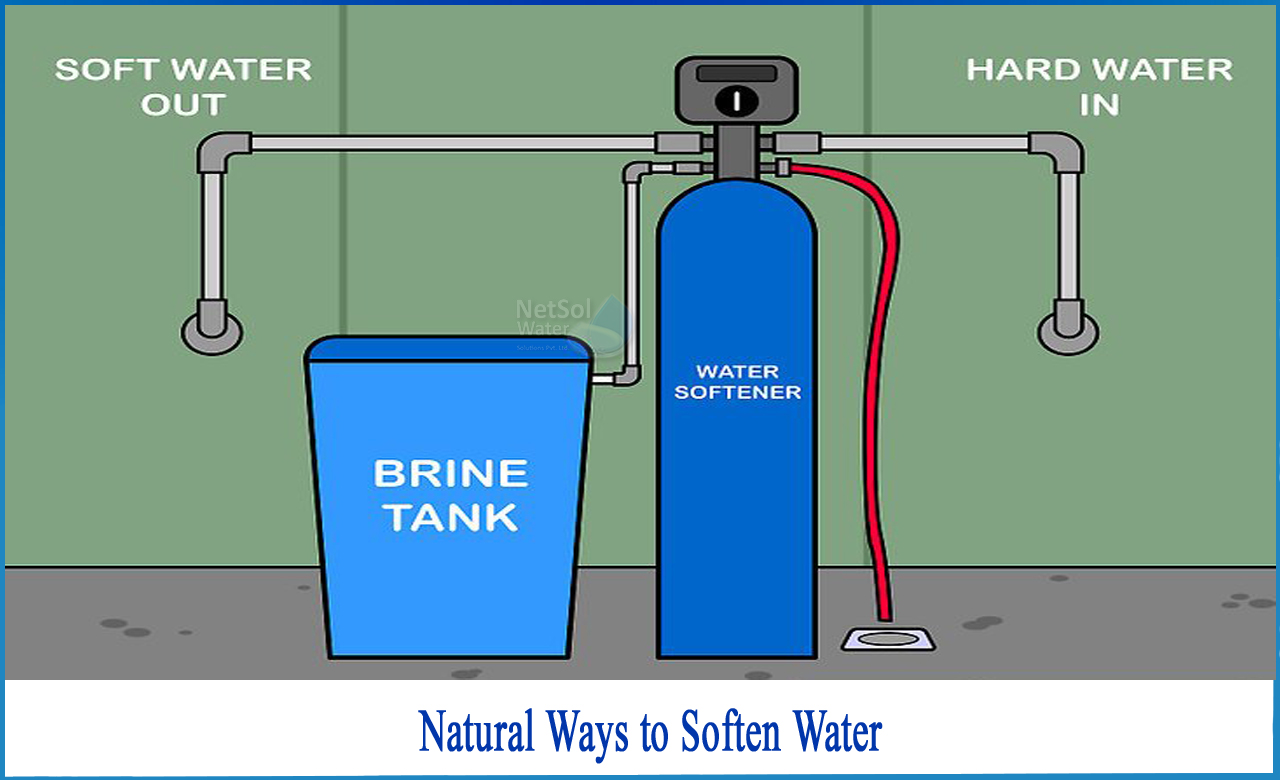
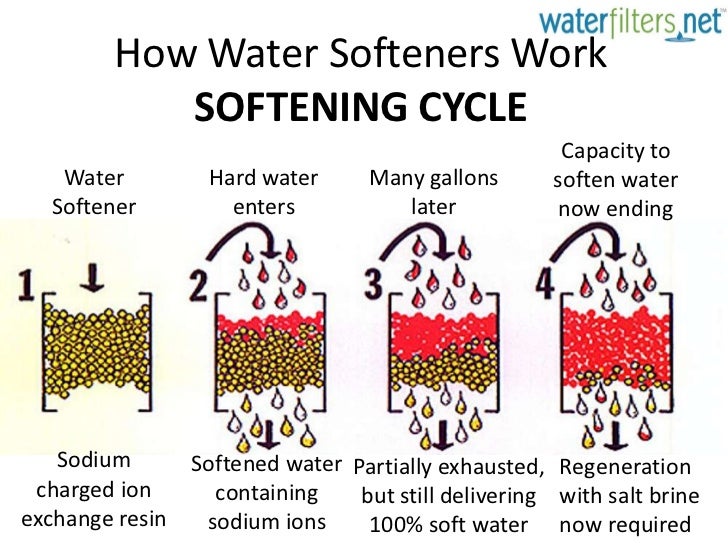
The real MVP? Water softeners. These are machines that use salt—sodium chloride or potassium chloride—to swap places with the hard minerals. The hard stuff gets trapped in a resin tank. Then the salt regenerates the system, flushing the nasties down the drain. It’s like a prisoner exchange for ions. Fascinating.
But there’s a catch: the softened water gets a little salty. Not enough to taste, but enough that your plants might get grumpy. So don’t water your prize petunias with it. They prefer the hard stuff. Go figure.
 How To Soften Hard Water at Ellen Unger blog
Method Three: The Magnets and the Wands
Now for the fun stuff. You can buy magnetic water softeners. No salt, no chemicals. Just a strong magnet you clamp onto your pipe. The theory is that the magnetic field changes how the minerals behave, so they don’t stick. Is it real? Some people swear by it. Scientists raise an eyebrow. But it’s cheap, weird, and a great conversation starter.
There’s also the “water wand”—a plastic tube filled with a special resin. You stick it in your shower head or faucet. It softens water on the spot. It’s like a mineral bouncer at the door. Clever, but you have to replace the cartridge every few months. Still, your hair will thank you.
Method Four: The Vinegar Hack
Don’t want to buy anything? Grab some white vinegar. It’s a mild acid that dissolves limescale beautifully. Soak a cloth in vinegar, wrap it around your faucet, let it sit for an hour. The scale will wipe right off. For a full soft-water experience, you can even add a cup of vinegar to your laundry. It breaks down the minerals and makes your clothes feel softer. Bonus: it kills mildew. Smells like a pickle, though. Worth it.
Funny fact: ancient Romans used vinegar to soften water for their baths. They were bathing in acidic soup. But hey, it worked. They also used urine as a detergent, so… perspective.
 How To Boil Hard Water
Method Five: The Reverse Osmosis Circus
If you want really, really soft water, go for reverse osmosis. It forces water through a super-fine membrane. It removes everything—minerals, bacteria, even most viruses. The result is so pure it tastes flat. That’s why some people add a pinch of salt back in. Fancy problems.
This system is big, expensive, and wastes a lot of water (about three gallons for every one gallon produced). But if you live in an area with liquid rock, it’s a lifesaver. Just don’t forget to change the filter every year. Or your water will start tasting like old sneakers.
Why This Is Fun
See? Water isn’t boring. It’s a mineral jungle out there. Every drop is a tiny adventure in chemistry. And the best part? Once you soften it, your skin feels like silk. Your glassware shines. Your pipes stop screaming. You become the water wizard of your own home.
So go ahead. Boil, salt, magnetize, or vinegar-bath your way to softer water. Your shower will thank you. Your kettle will stop trying to become a stalactite. And you’ll have a fantastic party fact: you can make water soft with magnets. How cool is that?
