How To Use A Tds Tester

Alright, let’s talk about a gadget that sounds like a supervillain’s invention but is actually your water’s best friend: the TDS tester. You might have one lying around from a...

Alright, let’s talk about a gadget that sounds like a supervillain’s invention but is actually your water’s best friend: the TDS tester. You might have one lying around from a water filter purchase, or you’ve seen them pop up on Amazon and thought, “What on earth is that little plastic pen?” Don’t worry—I’ve got you. Using one is about as hard as pressing a button, but knowing what the numbers mean is where the magic happens.
What Even Is a TDS Tester?
First, let’s decode the acronym. TDS stands for Total Dissolved Solids, which is a fancy way of saying “all the stuff floating in your water that you can’t see.” We’re talking minerals, salts, tiny bits of metals, and sometimes even the ghost of your last cup of coffee (okay, not really, but it feels that way). The tester measures these particles in parts per million (PPM). Think of it as a census taker for microscopic crud in your glass.
Why should you care? Because your tap water might be hiding some secrets. That “crisp” taste? Could be a mineral party. That weird smell? Could be a bacteria fiesta. The TDS tester doesn’t tell you if the water is safe—it just gives you a baseline number to compare with your filter’s promise. Knowledge is power, my friend, and also less weird-tasting tea.
Must Read
Step 1: Unbox That Little Plastic Rocket
Okay, so you’ve got the tester. It probably looks like a thick, black pen with a tiny screen and a metal tip. Remove the cap—gently, please, no need to Hulk-smash it. You’ll see two little metal prongs at the end. Those are the magic sensors. Don’t touch them with greasy fingers; they’re sensitive, like a cat on a hot tin roof.
Check if it has batteries. Most come with a little button cell already installed, but if the screen is blank, you might need to twist the cap off and pop one in. It’s like a Tamagotchi for adults, except it won’t die if you ignore it for a week—just the batteries will.
Step 2: Calibrate (But Don’t Panic)
Here’s a secret: most cheap TDS testers are pre-calibrated from the factory. You don’t need a lab coat or a PhD. However, if you’re feeling extra fancy, you can buy calibration solution (usually 342 PPM or 1382 PPM). Dip the tester into that solution, and if it doesn’t read the exact number on the bottle, you adjust a tiny screw with a screwdriver. But honestly? For everyday use, skip this step. It’s like tuning a guitar before a campfire sing-along—nice to do, but nobody will notice if you’re a little off.
Just make sure the tester is clean and dry before starting. Rinse the tip with distilled water if you have it, or tap water if you’re brave. I believe in you.
 TDS METER - Agrawal Total Solution
Step 3: The Dip and the Wait
Now for the thrilling act: dip the metal prongs into your water sample. Don’t submerge the whole tester—just the tip, about an inch deep. Avoid touching the sides of the glass because that can mess up the reading. Stir it around gently for about two seconds, like you’re testing soup for poison in a medieval castle. Then stop and hold it still.
Watch the screen. It’ll start flashing numbers, then settle on a final reading. This takes about 5 to 10 seconds. Don’t hold your breath—it’s not a space launch. If the number keeps jumping around, your water might be too hot (hot water gives false readings) or the tester needs a rinse. Cold, room-temp water is best. It’s like Goldilocks: not too hot, not too cold, just perfectly sip-able.
What Do the Numbers Mean?
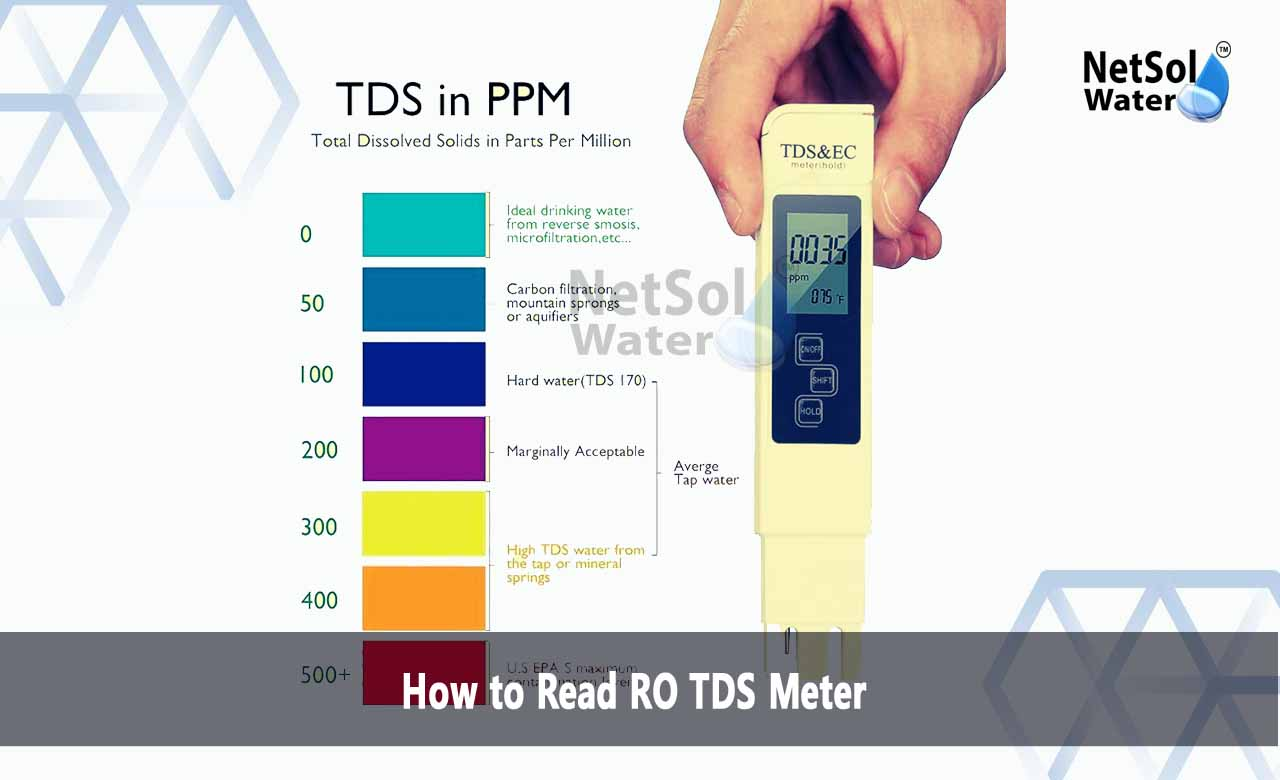
Here’s where it gets fun. A reading of 0-50 PPM means your water is basically rain—pure, low-mineral, and probably from a reverse osmosis system. That’s great for espresso machines (less scale buildup) but might taste a bit flat, like a conversation with a mime. Use it for your Keurig, not your taste buds.
A reading of 50-200 PPM is typical for tap water in many cities. It’s got some calcium, magnesium, and maybe a dash of sodium. This is the “goldilocks zone” for most people—refreshing and full of flavor, like a crisp apple. Your plants and fish will also approve. Don’t fix what isn’t broken.
 What Is A Tds Meter Used For: Unlocking Water Quality Secrets - RO System
If you see 200-500 PPM, you’re in hard water territory. That’s the kind that leaves white spots on your glasses and makes your soap act like it’s on vacation. Not dangerous, but your plumbing might grumble. Anything above 500 PPM? You’re drinking from a mineral bath. I’d recommend a filter, or at least a very long conversation with your local water company. It’s not poison, but it’s not exactly spa water.
A Few Pro Tips (Because You're a Pro Now)
Always store your tester with the cap on, and keep it dry. It’s not a pool toy. If you test bottled water, compare the number to the label’s “TDS” value—they might differ, and that’s your first detective case. Also, don’t use the tester on coffee or soda unless you want a sticky disaster. The sugar will gum up the sensors faster than a toddler with a candy bar.
Test different sources for fun: tap water, filtered water, rainwater (collect it cleanly), and even a puddle outside (for science only, don’t drink it). It becomes a party trick. “Hey, check out the TDS on that bird bath!” You’ll be a hit at gatherings. Or at least slightly more interesting than the potato salad.
The Uplifting Conclusion That Leaves You Smiling
So there you have it: you’re now a certified, card-carrying, water whisperer. You’ve stared into the abyss of dissolved solids and blinked, and it’s fine. You’re not just drinking blindly anymore—you’re sipping with purpose. Every number on that screen is a little story about what’s flowing through your pipes, and you’re the hero who decides if that story needs a filter or a high-five.
Remember, water is life, but knowledge is the life of the party. So go ahead, test your tap, test your neighbor’s tap (ask first!), and maybe even test your goldfish’s bowl. You’ll feel like a mad scientist, but the best kind—the one who ends the day with a glass of perfectly okay water and a grin. Stay hydrated, stay curious, and for goodness’ sake, don’t drink the puddle water. You’re better than that. You have a TDS tester.
