How To Check Ph Balance

So, picture this: last summer, I decided to get all “wellness guru” and bought a fancy glass water bottle with a time marker on the side. You know the ones—they tell you to dr...
So, picture this: last summer, I decided to get all “wellness guru” and bought a fancy glass water bottle with a time marker on the side. You know the ones—they tell you to drink by 10 AM, 2 PM, and so on. I was crushing it until I read a comment online that said, “But is your water’s pH balanced?” I nearly choked on my perfectly timed 11 AM sip. Suddenly, my fancy bottle felt useless. What even is pH? I asked myself, staring at my tap water like it might attack me. Here’s the thing: checking your pH balance isn’t just for chemistry nerds or people who only eat kale. It’s actually pretty simple, and a little ironic, because you probably have the tools to do it right now—or can grab them for less than the cost of a latte.
First, what are we actually checking?
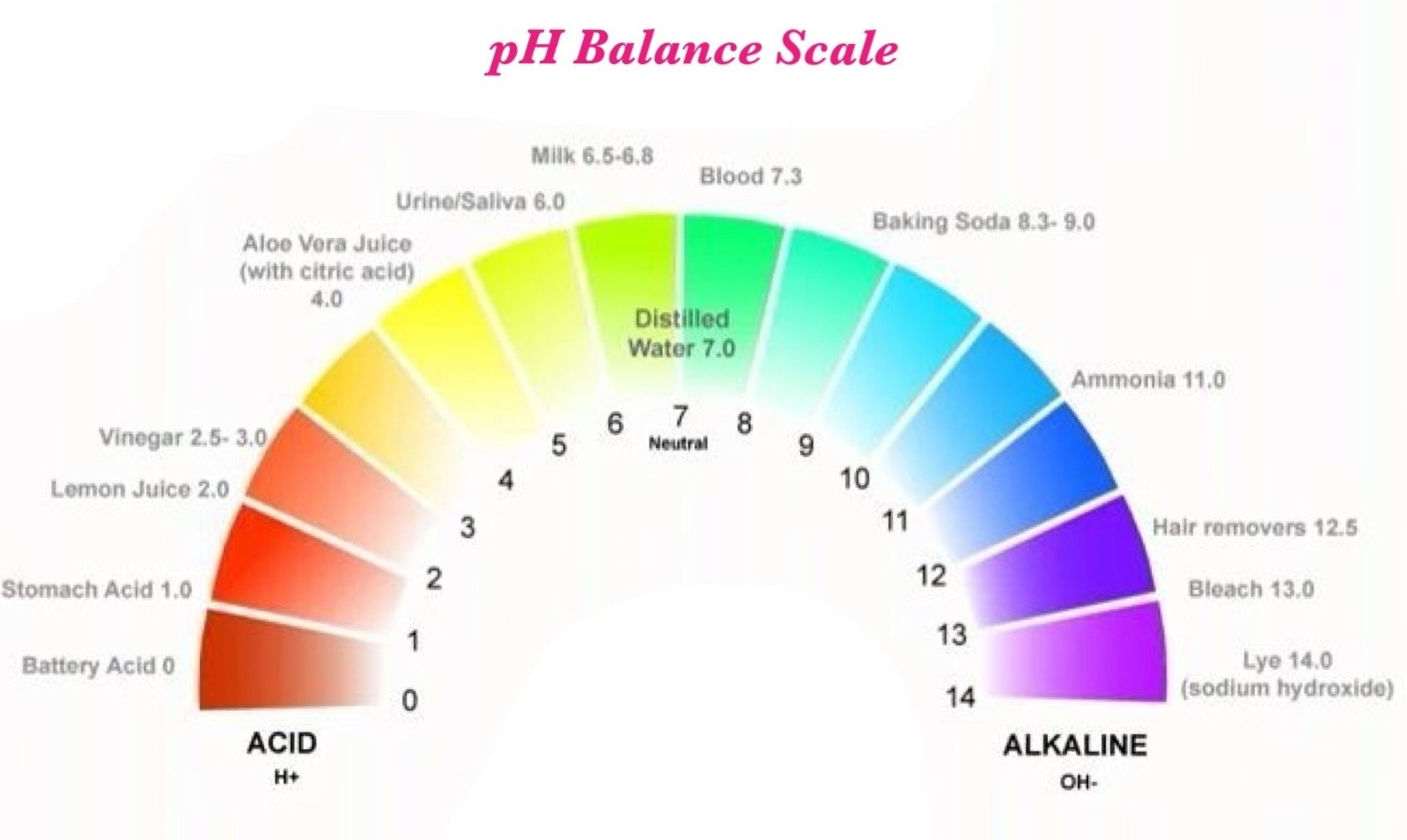
Let’s get the basics out of the way without the boring science lecture. pH stands for “potential of hydrogen,” which is just a fancy way of saying how acidic or alkaline something is. The scale runs from 0 to 14, with 7 being neutral. Think of it like a mood ring for liquids: below 7 is acidic (like lemon juice), above 7 is alkaline (like baking soda). Your body has its own pH preferences—your blood likes to hang around 7.35 to 7.45, but your stomach? That’s a hot tub of acid at pH 2. So when people talk about “checking your pH,” they usually mean your urine or saliva, not your blood. Don’t worry, we’re not sticking needles anywhere today. (Unless you’re into that, in which case, please consult a doctor.)
The easiest trick: pee on a stick (literally)
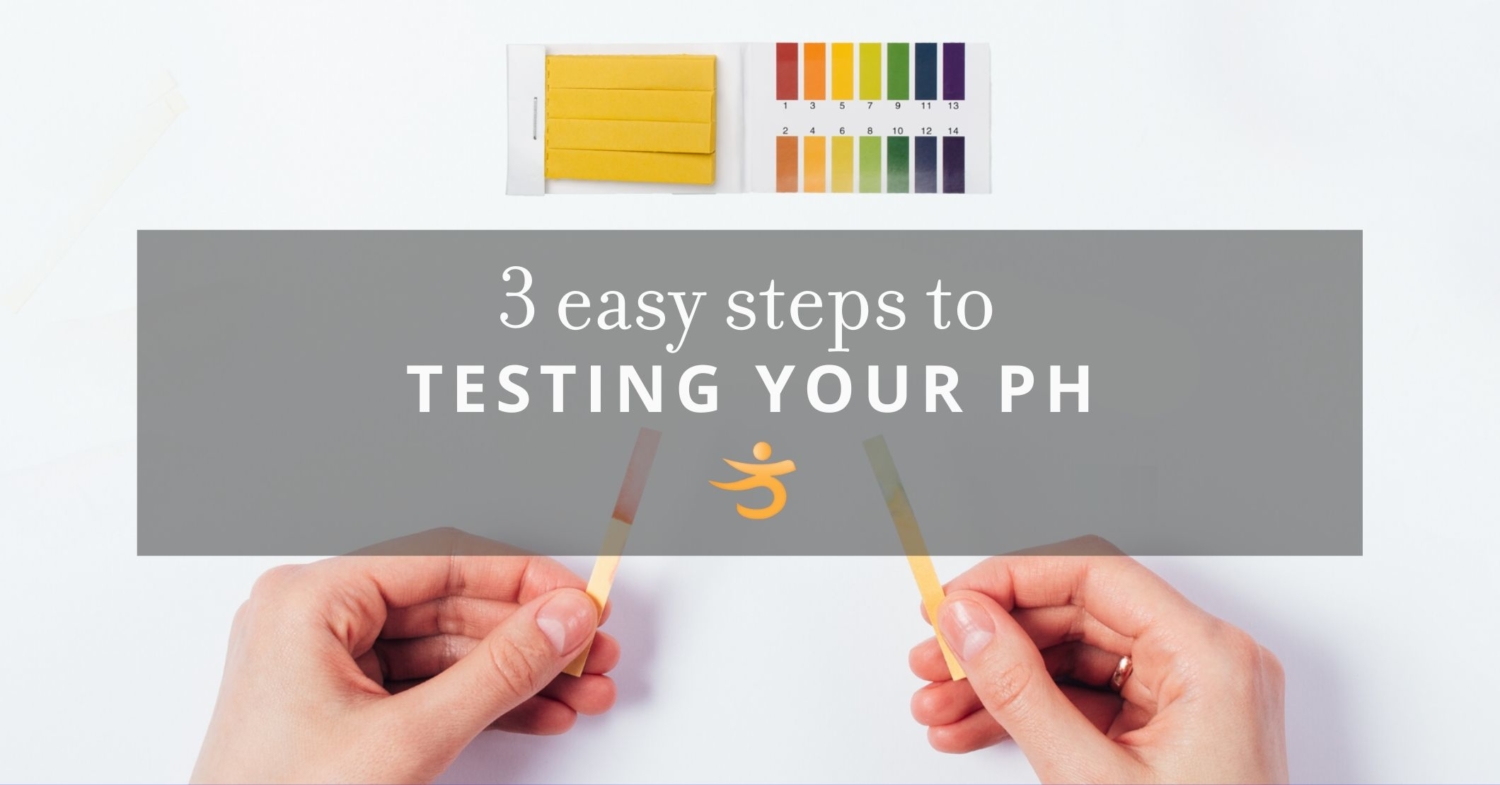
You can buy pH test strips at any drugstore or online for like ten bucks. They look like tiny paper strips or plastic sticks with a pad on the end. Here’s the not-so-glamorous part: you pee on it. Yes, really. Hold it in your urine stream for a second or two, or dip it in a cup if you’re feeling fancy. Wait about 15 seconds, and watch the magic happen. The pad will change color—like a lottery ticket that tells you how your body is doing instead of how much money you lost. Compare that color to the chart on the bottle. Dark red or orange? You’re acidic. Dark blue or purple? You’re alkaline. Green? You’re neutral, you boring winner you.
Must Read
But here’s the irony: test strips are sold for urine and saliva, but they’re not super precise. Your urine pH can change based on what you ate for breakfast or how hydrated you are. First morning urine is your most accurate bet. So yes, you have to pee right after rolling out of bed—no coffee first, sorry. (I know, tragic. But think of it as a sacrifice for science, or for your Instagram wellness story.)
What about saliva? Spit on demand.
If peeing on a stick feels too “I’m in a doctor’s office,” you can do a saliva test instead. Same test strips, but you just put some spit on the pad. Wait 15 seconds, compare colors. The catch? Saliva is less reliable than urine because it mixes with food and bacteria. Don’t test right after you brush your teeth or eat a gummy worm. Wait at least two hours after eating or drinking anything except plain water. Pro tip: don’t let the strip dry out before you read it—that’s like checking the time on a broken clock. Do it immediately after the wait time.
 Best pH Test Strips for Saliva & Urine: How to Check Your Body pH
Wait, can I test a drink? Yes, and it’s actually useful.
This is where the article gets fun—because we all need to know if that “alkaline water” you bought is worth the hype. Grab a pH test strip, dip it into your drink (water, juice, coffee—whatever), and wait. Pure water should be around 7, but tap water can range from 6.5 to 8.5 depending on where you live. Coffee? Usually around 5—so much for that “alkaline coffee” hype. Soda? That’s acid city at pH 2.5 to 3.5. If you’re into testing, buy a liquid pH drop kit instead of strips for drinks. It’s a dropper bottle with a chemical solution—add a few drops to a glass of water, and the water changes color. It’s cheaper per test and way more fun, like a magic trick for grown-ups.
The DIY lemon test (for skeptics with limited budgets)
If you’re broke and resourceful, you can check pH with red cabbage. Boil some chopped red cabbage in water for 10 minutes, strain out the cabbage, and keep the purple liquid. That liquid is a natural pH indicator. Add a splash of your test liquid (urine, saliva, or drink) to a small amount of the cabbage water. If it turns pink, you’re acidic. If it turns green or blue, you’re alkaline. Yes, you have to cook cabbage first. No, it’s not a party trick. But hey, it’s chemical-free and makes you feel like a medieval alchemist. (Just don’t drink the cabbage water—it’s for testing, not tasting.)
 Human Body Ph Balance Chart
A few reality checks before you go pH crazy
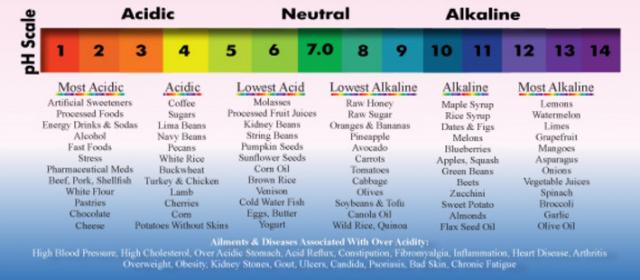
Look, I get it. Once you start testing, you’ll want to test everything—your friend’s kombucha, your cat’s water bowl, maybe even your own tears after you realize how much time you’ve spent on this. But here’s the not-so-fun truth: your body regulates its own pH way better than any test strip can. Unless you have a kidney or lung condition, your blood pH stays locked at that perfect 7.35-7.45 no matter what you drink. So checking your urine pH is more about seeing what you’re eating and drinking, not about “fixing” anything. If you eat a giant steak, your pee might get acidic. If you overdo the greens, it might go alkaline. That’s not a crisis—it’s just your body being your body. Don’t panic.
If you’re serious about balance, focus on eating whole foods, drinking enough water, and maybe skipping the trendy “alkaline water” that costs five bucks a bottle. Your pH will thank you—or at least stop sending you confusing color charts. And if you really want to impress your friends at a party, bring out the red cabbage test. They’ll think you’re either a genius or a witch. Either way, it’s a story they won’t forget. (And neither will the color of your cabbage water.)
